


- Latest news▼
-
21:24, October 14 Molecular Cell: Bacteria Hide an Unusual Defense Mechanism That Activates When a Virus Attacks

-
19:47, October 14 Chemical Senses: A Healthy Diet May Be Linked to a Better Sense of Smell

-
17:39, October 14 It's Not Just Weight: Body Shape Is Linked to Heart Attack Risk

-
15:42, October 14 Study: Humanity Is Losing Gut Microbes Passed Down Through Generations

-
13:48, October 14 International ACTS Research Project to Support Smoking Cessation Launched in Armenia

-
12:33, October 14 Study: Healthy Diet During Pregnancy Reduces the Risk of Colic and Eczema in Children

-
10:30, October 14 HealthAI: Artificial Intelligence Helps Healthcare Shift from Treatment to Prevention

-
08:36, October 14 Pancreatic Cancer Can Change Its “Genetic Strategy”: Study Identifies Key Mechanisms
-
23:37, October 13 eClinicalMedicine: More Than 40% of Women with Autoimmune Diseases Have Experienced a Misdiagnosis of a Psychiatric Condition

-
21:42, October 13 JES: Longer Sleep May Increase the Risk of Kidney Damage in People with Diabetes

-
19:40, October 13 CB: Kefir, Yogurt, and Cottage Cheese May Support Muscle Growth and Repair

-
17:38, October 13 F&F: Japanese Apricot May Help Fight Helicobacter pylori

-
14:29, October 13 107 Epigenetic Markers Linked to Alzheimer’s Disease Identified

-
12:35, October 13 AJHG: X-Chromosome Features May Increase Autism Risk in Men Fourfold

-
10:34, October 13 AJCN: Regular Peanut Consumption May Reduce the Risk of Type 2 Diabetes

All materials
Study: Daily Tooth Brushing Reduces the Risk of Hospital-Acquired Pneumonia
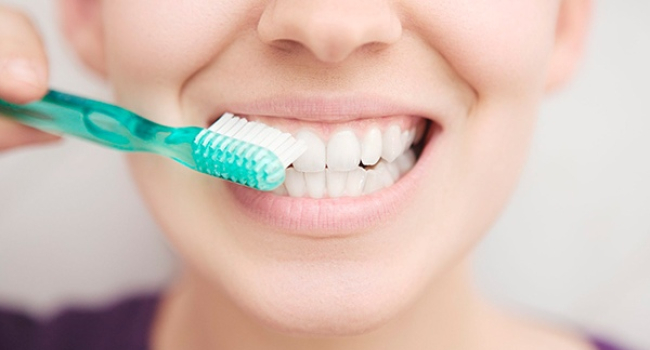
Brushing teeth during hospital treatment may significantly reduce the likelihood of developing pneumonia. Many hospitalized patients do not brush their teeth while in hospital for various reasons. Some may forget to bring a toothbrush, others may not think about it, feel unmotivated, or be physically unable to do so. Medical staff often do not include routine oral care in the services provided to patients.
However, in the largest randomized controlled trial of its kind, patients who were provided with a toothbrush, toothpaste, and oral hygiene guidance in hospitals were 60% less likely to develop a common form of hospital-acquired pneumonia, says Brett Mitchell from Avondale University in Australia.
“This once again highlights the need to inform patients about the risk of pneumonia and the importance of oral care and tooth brushing during hospital stays,” he says.
It is widely known that patients on mechanical ventilation often develop pneumonia, partly due to medical equipment interfering with normal respiratory function, reports Planet Today. But many hospitalized patients who are not on ventilators also develop pneumonia at least 48 hours after admission. Researchers are still trying to understand why this happens and how to prevent it, especially since hospital-acquired pneumonia is associated with longer hospital stays, higher costs, and increased mortality.
“This is an important issue,” says Michael Klompas of Harvard University, who was not involved in the study. “Hospital-acquired pneumonia is one of the most common and deadly hospital infections, and there is limited reliable evidence on how best to prevent it.”
Mitchell suggested that the disease may be linked to oral bacteria. The oral microbiome can affect respiratory health because people inhale droplets containing bacteria into the lungs. And the oral microbiome changes when people are in hospital, Mitchell says. “I thought it was important to take action to address this issue.”
He and his colleagues therefore designed a one-year randomized controlled trial involving 8,870 patients across three Australian hospitals to test the effect of oral hygiene on pneumonia risk. He presented the findings from this Hospital-Acquired Pneumonia Prevention (HAPPEN) study at the European Society of Clinical Microbiology and Infectious Diseases (ESCMID Global) Congress in Munich, Germany.
Each participating hospital divided patients into three groups. During the first three months, no intervention was provided. After three months, one group received toothbrushes and toothpaste labeled “Brushing teeth helps prevent pneumonia” and “Fight pneumonia with a toothbrush!” The brushes were specially designed with handles for people with limited hand dexterity. Patients also received a QR code linking to educational materials on the HAPPEN website.
At six months, a second group also received toothbrushes, and a third group received them at nine months, meaning all participants had access to oral care support during the final three months of the study.
For hospital staff, the research team provided oral care training for ward nurses and shared professional guidance via their website. Nurses were encouraged to remind patients to brush and floss and to assist those who had difficulty doing so themselves.
Outside intervention periods, only 15.9% of patients brushed their teeth once a day. During intervention periods, 61.5% of patients performed oral care at least once daily—averaging 1.5 times per day. Website analytics showed that both patients and nurses frequently accessed the HAPPEN resources during intervention periods, Mitchell said.
This coincided with a sharp decline in cases of non–ventilator-associated hospital-acquired pneumonia, Mitchell noted. Specifically, the incidence dropped from 1 case per 100 hospital-days in the control group to 0.41 in the intervention group.
“This study is intriguing,” says Klompas, highlighting the large sample size and randomized design. “The main takeaway is that brushing teeth in hospital is not only good for oral hygiene and well-being, but may literally save lives.”
Päivi Sipilä of the University of Helsinki, Finland, said he appreciated the significance of such a large reduction in risk based on such a simple intervention. “Essentially, patients were just given toothbrushes, toothpaste, and guidance,” he said. However, results may vary depending on reasons for hospitalization and patients’ usual oral hygiene habits.
Follow NEWS.am Medicine on Facebook and Twitter

- Video



- Event calendar
- Archive
- Most read
month
week
day
- Can a Healthy Diet Help Preserve Memory? Study Reveals Limitations of Popular Diets 821
- EU Countries to Discuss Possible Plague Outbreak in Russia 761
- Blood Markers May Reveal Signs of Accelerated Immune Aging 744
- Scientists Discover How Horseback Riding Affects Behavior in Children with Autism 725
- Study: Even Short-Term E-Cigarette Use Damages the Lungs 708
- Diabetes: Olive Oil Before Carbohydrates Reduced the Rise in Blood Glucose 704
- Frontiers in Psychology: Scientists Find That Nature Walks Can Help Lonely People 702
- Study: Memory Decline Between Ages 60 and 69 Is Linked to an Increased Risk of Stroke 702
- WHO Reports 8,700 Confirmed Ebola Cases in the Democratic Republic of the Congo 700
- Cannabis Does Not Improve Sleep: Study Reveals an Unexpected Effect 686
- Nature: Sugar During Antibiotic Treatment Disrupts the Gut Microbiome More Severely 592
- International ACTS Research Project to Support Smoking Cessation Launched in Armenia 336
- Molecular Cell: Bacteria Hide an Unusual Defense Mechanism That Activates When a Virus Attacks 295
- Chemical Senses: A Healthy Diet May Be Linked to a Better Sense of Smell 280
- Study: Healthy Diet During Pregnancy Reduces the Risk of Colic and Eczema in Children 251
- Find us on Facebook
- Poll