


- Latest news▼
-
22:34, October 10 Cannabis Does Not Improve Sleep: Study Reveals an Unexpected Effect

-
20:56, October 10 Blood Markers May Reveal Signs of Accelerated Immune Aging

-
18:42, October 10 Scientists Discover How Horseback Riding Affects Behavior in Children with Autism

-
14:17, October 10 Can a Healthy Diet Help Preserve Memory? Study Reveals Limitations of Popular Diets

-
08:37, October 10 Study: Memory Decline Between Ages 60 and 69 Is Linked to an Increased Risk of Stroke

-
23:46, October 9 Study: Even Short-Term E-Cigarette Use Damages the Lungs

-
21:42, October 9 EU Countries to Discuss Possible Plague Outbreak in Russia

-
17:38, October 9 Frontiers in Psychology: Scientists Find That Nature Walks Can Help Lonely People

-
15:21, October 9 Diabetes: Olive Oil Before Carbohydrates Reduced the Rise in Blood Glucose
-
11:30, October 9 WHO Reports 8,700 Confirmed Ebola Cases in the Democratic Republic of the Congo

-
08:36, October 9 Nature: Sugar During Antibiotic Treatment Disrupts the Gut Microbiome More Severely

-
23:36, October 8 Nature Metabolism: Ultra-Processed Food Makes the Body Use Energy Differently

-
21:48, October 8 Scientists Discover Unexpected Gene That May Increase the Risk of Anorexia

-
17:41, October 8 Science: Blocking an Aging Enzyme Restores Cartilage in Elderly Mice

-
15:39, October 8 Signal Transduction: Nerves Help Tumors Evade the Immune System

All materials
MNFR: Soluble Fiber Supplement May Exacerbate Fatty Liver Disease
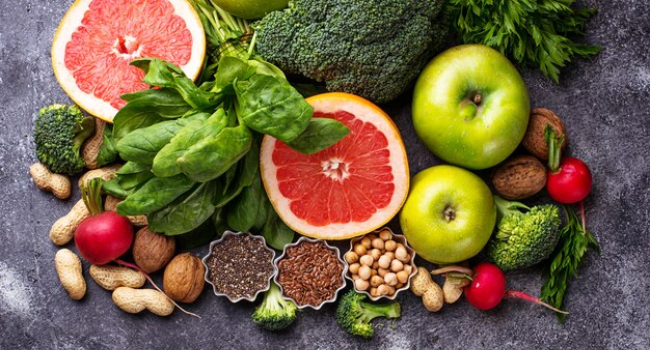
Scientists from Edith Cowan University have found that consuming fruits and nuts may reduce the risk of developing non-alcoholic fatty liver disease (NAFLD), whereas soluble fiber supplements, under certain conditions, can worsen the course of the disease. The results of the study were published in the journal Molecular Nutrition and Food Research (MNFR).
Non-alcoholic fatty liver disease is considered one of the most common conditions worldwide, estimated to affect approximately 38% of the population. It is associated with obesity, diabetes, and hypertension, and can lead to severe complications, including liver failure and liver cancer.
In their work, the researchers focused on the impact of diet. They discovered that ellagic acid—a natural compound found in pomegranates, berries, grapes, and walnuts—exerts a protective effect on the liver. According to the scientists, this substance possesses antioxidant and anti-inflammatory properties and can help reduce liver tissue damage.
Experiments on animal models showed that ellagic acid can slow the progression of the disease and potentially reverse some pathological changes. However, the researchers emphasize that this effect is linked specifically to the complex interaction of dietary components.
At the same time, the study identified potential risks associated with a popular dietary supplement: inulin. This type of soluble fiber is widely used as a prebiotic to support gut health. However, in the experiment, its consumption without being paired with other beneficial compounds led to increased body weight, elevated glucose levels, and intensified liver damage.
Researchers suggest that this negative effect may be related to changes in the gut microbiome which, under conditions of already impaired metabolism, exacerbate the progression of the disease.
Follow NEWS.am Medicine on Facebook and Twitter

- Related News
- Frontiers in Psychology: Scientists Find That Nature Walks Can Help Lonely People The researchers' findings could help guide healthcare systems around the world, as loneliness is a serious concern not only among older people in Spain...
- More REM Sleep Linked to Lower Risk of 83 Diseases Study of more than 95,000 people finds associations between sleep patterns and long-term health...
- Study: Steps reduce the risk of early death, but walking speed also matters In addition, maintaining a faster walking pace for at least 30 minutes each day...
- Weight-loss medications may be dangerous for people with eating disorders: experts propose new recommendations GLP-1 medications reduce appetite, blood glucose levels, and blood pressure, slow gastric emptying, and promote weight loss...
- EHJ: Scientists Find That Sleeping in Complete Darkness May Benefit Heart Health These changes may be linked to so-called cardiac remodeling — structural changes in the heart that accompany the development of cardiovascular disease...
- Video




- Event calendar
- Archive
- Most read
month
week
day
- The 2026 Nobel Prize in Physiology or Medicine Recognized a Sequence of Discoveries 1492
- More Than 1,600 New Breast Cancer Cases Are Diagnosed in Armenia Every Year 729
- Study: The Way a Person Speaks May Reveal Early Signs of Brain Aging 714
- Sugar Exposure During the First 1,000 Days of Life Increases the Risk of Anxiety in Adulthood 707
- Dreaming: The more difficult the day, the more fear and anxiety appear in dreams 682
- NatCom: Losing belly fat slowed brain aging and protected memory 637
- Study: One in Eight Cancer Cases Worldwide Is Linked to Preventable Infections 633
- Cell: Vitamin D May Reduce Intestinal Inflammation 629
- Nature: AI Effectively Motivates Patients to Get Vaccinated 614
- CanRes: The rate at which mutations accumulate in cells may determine cancer risk 595
- Nobel Prize in Physiology or Medicine Awarded for Optogenetics 578
- AJRCCM: Household exposure to vaping may increase the risk of asthma exacerbations in children 519
- NYP: US surgeons amputated a healthy leg of a woman with cancer 457
- Alzheimer’s & Dementia: Chronic stress may have a stronger impact on women’s brains as they age 455
- PNAS: The right hemisphere of the brain ages faster than the left 453
- Find us on Facebook
- Poll