


- Latest news▼
-
22:27, August 27 World’s First Patient Undergoes Live AI-Assisted Brain Surgery

-
20:39, August 27 ERJ Open Research: Frequent Use of Rescue Inhalers Linked to Increased Risk of Heart Disease
-
18:25, August 27 When Parents Live to 100: How Their Children Differ From Others

-
16:36, August 27 More Than Two Hours of Scrolling May Be a Warning Sign: Social Media Linked to Depression

-
14:40, August 27 Scientists Develop 3D Model of Human Brain Tissue to Study Alzheimer’s Disease

-
12:45, August 27 Study: The Amount of Nutrients Matters More Than Their Type for Intestinal Cell Turnover

-
10:44, August 27 Scientists Develop a New Model to Predict the Risk of Tooth Decay in Children

-
08:27, August 27 Calories Aren’t All the Same: Study Highlights the Benefits of the Mediterranean Diet

-
23:32, August 26 Scientists “Resurrect” 160-Million-Year-Old Proteins in Search for New Weapons Against Antibiotic-Resistant Bacteria

-
21:37, August 26 Nature Communications: “Genetic Junk” Helps Chromosomes Find Their Correct Partners

-
17:26, August 26 “Molecular Switch” Helps Breast Cancer Spread: Scientists Identify a Way to Turn It Off

-
15:39, August 26 A Hundred Years Is Not a Prescription: Scientists Explain Why a Healthy Lifestyle Does Not Guarantee a Long Life

-
13:21, August 26 Scientists Reveal How Social Isolation May Increase the Risk of Alcohol Use
-
10:45, August 26 Even Low Levels of Traffic Noise Can Diminish the Stress-Relieving Benefits of Birdsong

-
08:47, August 26 Biomolecules: Mulberries May Alter the Composition of the Gut Microbiota

All materials
Bright Artificial Light in the Evening May Increase the Risk of Glaucoma and Cataracts
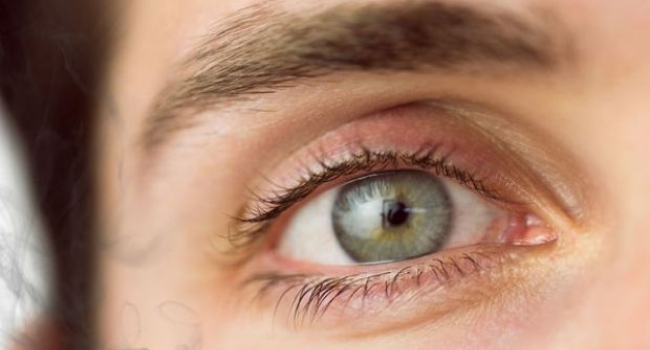
Exposure to bright artificial light during evening hours may be associated with a higher risk of developing serious eye diseases later in life, according to a study published in the journal GeroScience.
The researchers found that the greatest risk was linked to exposure to high-intensity light—more than 1,000 lux—between approximately 8:00 p.m. and 11:30 p.m. Participants exposed to this level of illumination were more likely to develop age-related macular degeneration, cataracts, and glaucoma.
The authors emphasize that the findings do not apply to typical household lighting. Standard indoor lighting generally ranges from about 100 to 500 lux, well below the threshold identified in the study. Potentially concerning exposure levels may occur under brighter conditions, such as intense screens, professional lighting systems, or certain workplace environments.
The study analyzed data from more than 82,000 participants in the UK Biobank. Individuals who already had eye diseases at the beginning of the study were excluded so that researchers could focus on newly diagnosed cases.
Participants wore monitoring devices for one week that continuously recorded both light exposure and physical activity. Their health was then tracked for an average of approximately eight years.
The analysis revealed a clear dose-response relationship. Regular exposure to evening light levels above 1,000 lux was associated with a 31% higher risk of Age-related Macular Degeneration, an 18% higher risk of Cataract, and a 47% higher risk of Primary Open-Angle Glaucoma. The longer participants were exposed to bright light in the evening, the greater the observed risk.
Researchers note that the eyes are involved not only in vision but also in regulating the body's circadian rhythms. Disruption of these biological rhythms, together with exposure to blue light emitted by modern LED-based light sources, may contribute to oxidative stress and damage to sensitive cells in the retina and lens.
The authors suggest that evening light exposure could represent a modifiable risk factor, making it a potential target for prevention strategies. Possible measures include reducing screen brightness, limiting exposure to intense artificial lighting late in the evening, and using softer, warmer lighting before bedtime.
However, the researchers stress that the study was observational. While it identified a significant association between evening light exposure and eye disease risk, it does not prove that bright light directly causes these conditions. Further research will be needed to clarify the underlying biological mechanisms and determine whether reducing evening light exposure can lower long-term risk.
Follow NEWS.am Medicine on Facebook and Twitter





- Most read
month
week
day
- High-dose vitamin D linked to better cognitive function in adults at risk of dementia 692
- Rather than eating less, burn more: Scientists identify a new approach to treating obesity 634
- Three Minutes of Sprinting Trigger a Molecular Response That 90 Minutes of Moderate Exercise Do Not 618
- COVID-19 may enhance the breathing response after awakening during sleep 617
- Scientists identify drug combination that could slow the growth of treatment-resistant prostate cancer 575
- WHO and Africa CDC Welcome Allocation of Ebola Vaccine to DRC 572
- New Experimental Treatment Burns Fat While Preserving Muscle in Obesity and Diabetes Study 501
- Two Unknown Ancestors Discovered in the Human Genome 485
- The Lancet: Robots place knee implants more precisely, but do not speed up recovery 484
- JAMA: Zinc reduced infections by nearly 40% in young children with sickle cell disease 482
- Nature Medicine: Depression May Impair the Brain’s Ability to Adapt to New Experiences 435
- Innovative Spray Developed to Treat Rhinitis Caused by Overuse of Nasal Decongestants 435
- Scientists Discover a New Property of Viruses 430
- Over 90% Accuracy: FDA Clears New Blood Test for Early Alzheimer’s Detection 427
- Late Diagnosis and Limited Access to Care Fuel Gynecologic Cancer Deaths in Low- and Middle-Income Countries 413
- Find us on Facebook
- Poll