


- Latest news▼
-
12:47, October 7 Nature: Why Does the Immune System Stop Killing Dangerous “Zombie Cells”?

-
10:50, October 7 Nature: Why Does the Immune System Stop Killing Dangerous “Zombie Cells”?

-
08:44, October 7 Study: The Way a Person Speaks May Reveal Early Signs of Brain Aging

-
23:53, October 6 Study: One in Eight Cancer Cases Worldwide Is Linked to Preventable Infections

-
21:39, October 6 Sugar Exposure During the First 1,000 Days of Life Increases the Risk of Anxiety in Adulthood

-
19:56, October 6 Nature: AI Effectively Motivates Patients to Get Vaccinated
-
17:41, October 6 Cell: Vitamin D May Reduce Intestinal Inflammation

-
15:24, October 6 Scientists Find a Way to Rejuvenate Old Cells — Without Rewriting DNA

-
13:12, October 6 More Than 1,600 New Breast Cancer Cases Are Diagnosed in Armenia Every Year

-
08:39, October 6 NatCom: Losing belly fat slowed brain aging and protected memory

-
23:58, October 5 Dreaming: The more difficult the day, the more fear and anxiety appear in dreams

-
22:09, October 5 The 2026 Nobel Prize in Physiology or Medicine Recognized a Sequence of Discoveries

-
18:46, October 5 CanRes: The rate at which mutations accumulate in cells may determine cancer risk

-
14:06, October 5 Nobel Prize in Physiology or Medicine Awarded for Optogenetics

-
12:42, October 5 PNAS: The right hemisphere of the brain ages faster than the left
All materials
World’s First Patient Undergoes Live AI-Assisted Brain Surgery
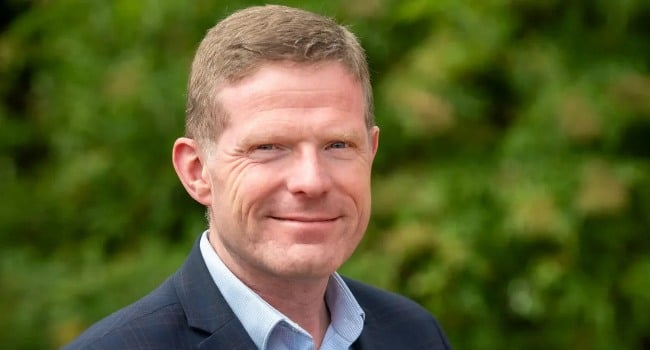
The world’s first patient to undergo brain surgery with real-time artificial intelligence assistance has successfully had a brain tumour removed, marking a significant step forward for AI-assisted medicine.
Rhys Hibbert, a 48-year-old father of two from Bedfordshire, underwent the pioneering procedure at University College London Hospital. Surgeons said the tumour could eventually have caused him to lose his sight.
Hibbert had previously been fit and healthy, regularly taking two-mile walks during his lunch breaks. About 18 months ago, however, he suddenly lost consciousness and suffered a seizure while walking.
A subsequent brain scan revealed an 11mm benign tumour on his pituitary gland, a small organ located at the base of the brain that produces hormones involved in growth, metabolism and the regulation of blood pressure and body temperature.
The tumour was positioned dangerously close to the carotid arteries, which supply blood to the brain, and the optic nerves responsible for vision. As it grew, it began putting pressure on the optic nerves, reducing Hibbert’s peripheral vision. He also developed severe fatigue, dizziness and problems with coordination.
Although immediate surgery was not initially necessary, doctors eventually offered Hibbert the opportunity to become the first patient to undergo the procedure with the assistance of a specially developed AI system.
“I thought that if patients are not willing to take part in research, how can doctors learn and medicine progress?” he said.
AI acts as an extra pair of expert eyes
The operation was performed through the nose using an endoscope — a thin camera that allows surgeons to reach the base of the skull without making a large external incision.
The tumour was located behind layers of bone and protective membrane, making it difficult to identify the safest route for removal. Its proximity to major blood vessels and nerves increased the risk of complications.
During the procedure, the AI system analysed the live video feed from the operation. It tracked the surgical instruments and highlighted areas where critical blood vessels and nerves were likely to be located, helping surgeons determine where it was safest to remove the tumour.
The technology works in a similar way to facial-recognition systems used by smartphones, but instead of identifying faces, it recognises important anatomical structures that may not be visible to the surgeon.
The AI was trained using hundreds of videos of pituitary tumour operations. Researchers manually identified blood vessels and nerves in the footage, allowing the system to learn how to recognise these structures during surgery.
Professor Hani Marcus, who was involved in the procedure, said the system had been trained on more operations than most surgeons would encounter during their entire careers. He described it as an “expert second pair of eyes”.
Unlike many experimental medical AI systems that analyse scans or surgical footage after an operation, this technology operates in real time.
The researchers stress that the AI does not make decisions independently. Surgeons remain fully in control and can accept or disregard its recommendations.
The team’s long-term goal is to create a kind of “ChatGPT for surgeons” — an AI assistant that could provide expert guidance during complex procedures whenever doctors need an additional source of information.
“It’s given me my life back”
The procedure appears to have had a major impact on Hibbert’s recovery.
“When I opened my eyes after the operation, it felt like I had 360-degree vision,” he said, adding that he had not seen so clearly for around a year.
In the eight weeks following surgery, he noticed his eyesight continuing to improve. His energy levels also returned, while the symptoms he had experienced before the operation disappeared.
“It’s given me my life back,” Hibbert said.
The AI system was developed by researchers at University College London with funding from the UK’s National Institute for Health and Care Research and Google. Following years of laboratory testing, the team is now preparing a larger clinical trial.
The researchers say the successful operation demonstrates how real-time AI could eventually help surgeons navigate some of the most challenging areas of the human body while maintaining human oversight and decision-making.
Follow NEWS.am Medicine on Facebook and Twitter

- Video



- Event calendar
- Archive
- Most read
month
week
day
- The 2026 Nobel Prize in Physiology or Medicine Recognized a Sequence of Discoveries 1398
- Study: Suicidal Ideation Among US Teens Began Rising Sharply After Nearly Two Decades of Decline 805
- More Than 1,600 New Breast Cancer Cases Are Diagnosed in Armenia Every Year 690
- Scientists Discover New Mechanism Linking Biological Clocks, Cold, and Fat Metabolism 681
- Sugar Exposure During the First 1,000 Days of Life Increases the Risk of Anxiety in Adulthood 674
- Study: The Way a Person Speaks May Reveal Early Signs of Brain Aging 660
- Dreaming: The more difficult the day, the more fear and anxiety appear in dreams 659
- NatCom: Losing belly fat slowed brain aging and protected memory 606
- Food & Function: Daily Consumption of 40 Grams of Walnuts Linked to Improved Overall Mood 602
- Study: One in Eight Cancer Cases Worldwide Is Linked to Preventable Infections 599
- Cell: Vitamin D May Reduce Intestinal Inflammation 587
- Nature: AI Effectively Motivates Patients to Get Vaccinated 571
- CanRes: The rate at which mutations accumulate in cells may determine cancer risk 567
- Nobel Prize in Physiology or Medicine Awarded for Optogenetics 558
- AJRCCM: Household exposure to vaping may increase the risk of asthma exacerbations in children 491
- Find us on Facebook
- Poll