


- Latest news▼
-
10:55, October 22 LSD does more than disrupt brain rhythms: It speeds them up and increases signal complexity

-
23:27, October 21 Nine-year study links changing loneliness patterns to increased heart disease risk

-
15:23, October 21 Tea May Benefit Heart Health — but Drinking It Scalding Hot Could Be Risky

-
13:25, October 21 Why Some People Avoid Alzheimer’s Despite Carrying a High-Risk Gene

-
10:47, October 20 SciRep: Walking More Than 8,000 Steps a Day Is Linked to Better Attention

-
08:32, October 20 Nature: AI Links Brown Fat to Heart, Vascular, and Mental Health

-
18:51, October 19 Oxytocin May Make Childhood Memories More Negative in People with Relationship Anxiety

-
16:48, October 19 Polyphenols in coffee and fruit linked to lower risk of telomere shortening

-
14:50, October 19 Anesthesiology: Noise-Canceling Headphones Reduce the Risk of Nausea After Anesthesia

-
12:44, October 19 PLOS: Yogurt and Canned Beans May Help Reduce the Risk of Colorectal Cancer

-
10:39, October 19 AJOG: Birth Weight Is Linked to Later Performance in Math and Reading

-
08:41, October 19 Postoperative Monitoring Apps Reduced Hospital Readmissions by 15%

-
23:12, October 18 Noise-Canceling Headphones Reduced the Risk of Nausea After Gynecological Surgery by 32%

-
18:17, October 18 HealthDay: Strength Training After 60 Helps Strengthen Bones and Maintain Brain Health

-
12:43, October 18 Scientists Unveil Scanner That Captures Whole-Body Images in Just 60 Seconds
All materials
How to Travel Without Back Pain: Doctors Share Essential Tips for Long Journeys
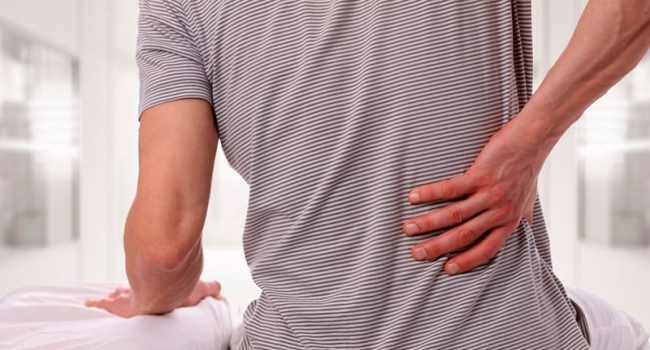
The holiday travel season is in full swing, and millions of people are preparing to spend hours on airplanes, trains, and in cars. For those living with chronic lower back pain, however, long journeys can be particularly challenging. According to specialists at Hackensack Meridian Health, proper preparation can help reduce the risk of flare-ups and make travel far more comfortable.
Prolonged sitting in an uncomfortable seat often leaves the spine without adequate support. The natural curve of the lower back tends to flatten, increasing strain on muscles and ligaments, while prolonged inactivity reduces blood circulation, leading to stiffness, fatigue, and discomfort. Heavy luggage, unfamiliar beds, and changes to daily routines can further aggravate back problems.
“Travel can place unexpected stress on the spine. Extended periods of sitting, lifting luggage, and disruptions to your normal routine can trigger flare-ups of lower back pain or sciatica,” said Dr. Dante Implicito, Chair of Orthopedic Surgery at Hackensack Meridian Health.
Experts recommend preparing well before departure. Regular stretching and moderate exercise can strengthen the muscles that support the spine, helping reduce discomfort during travel. People who have recently undergone spinal surgery should consult their physician before taking a trip.
Tips to reduce back pain while traveling
-
Support your lower back. Do not rely solely on the seat for support. Use a small pillow, a rolled-up sweater, or a lumbar support cushion to help maintain the natural curve of your spine. A neck pillow can also reduce strain while sleeping during the journey.
-
Move as often as possible. When traveling by plane or train, choose an aisle seat if possible and get up about once every hour to walk and stretch. During road trips, plan stops every 60 to 120 minutes to move around.
-
Lift luggage correctly. Choose wheeled suitcases whenever possible and avoid carrying heavy shoulder bags. When lifting luggage into an overhead compartment, avoid sudden movements. Lift the bag to an intermediate height first before raising it overhead.
-
Pack a back care kit. Doctors recommend carrying cold or heat packs and keeping any necessary pain medications in your carry-on bag so they are easily accessible.
-
Pace your activities. After a day of sightseeing or long walks, schedule lighter activities to allow your back to recover. Staying well hydrated is also important, as dehydration can contribute to muscle cramps and stiffness.
Specialists emphasize that even during active vacations involving hiking, sightseeing, or sports, managing physical activity wisely can help protect spinal health and allow travelers to enjoy their trip with less pain and greater comfort.
Follow NEWS.am Medicine on Facebook and Twitter

- Related News
- Tea May Benefit Heart Health — but Drinking It Scalding Hot Could Be Risky The study also found that moderate-strength tea was associated with a lower risk...
- A Simple Way to Blunt Blood Sugar Spikes After Meals In the experiments, mice were divided into groups after an overnight fast...
- Study: Healthy Diet During Pregnancy Reduces the Risk of Colic and Eczema in Children A higher MDS indicated a healthier diet rich in fruits, vegetables, whole grains, legumes, and healthy fats, with moderate amounts of dairy products and lean protein...
- F&F: Japanese Apricot May Help Fight Helicobacter pylori In experiments on mice, the extract reduced inflammation and promoted the restoration of the stomach lining...
- Frontiers in Psychology: Scientists Find That Nature Walks Can Help Lonely People The researchers' findings could help guide healthcare systems around the world, as loneliness is a serious concern not only among older people in Spain...
- Video




- Event calendar
- Archive
- Most read
month
week
day
- Cardiologists Urge Inclusion of Physical Exercise in Heart Disease Prevention 551
- Frontiers: Poor Sleep May Increase the Risk of Breast Cancer by 30% 541
- Stem Cell Reports: Nicotine Exposure During Pregnancy Permanently Weakens Offspring’s Immune Systems 533
- Nature: Researchers Link Faster Wound Healing to Female Sex Hormones 512
- BJN: Asparagus extract helps improve sleep and reduce anxiety 476
- Why Some People Avoid Alzheimer’s Despite Carrying a High-Risk Gene 301
- Nine-year study links changing loneliness patterns to increased heart disease risk 298
- LSD does more than disrupt brain rhythms: It speeds them up and increases signal complexity 290
- Tea May Benefit Heart Health — but Drinking It Scalding Hot Could Be Risky 276
- PLOS: Yogurt and Canned Beans May Help Reduce the Risk of Colorectal Cancer 260
- Noise-Canceling Headphones Reduced the Risk of Nausea After Gynecological Surgery by 32% 195
- AJOG: Birth Weight Is Linked to Later Performance in Math and Reading 187
- SciRep: Walking More Than 8,000 Steps a Day Is Linked to Better Attention 174
- Anesthesiology: Noise-Canceling Headphones Reduce the Risk of Nausea After Anesthesia 170
- Nature: AI Links Brown Fat to Heart, Vascular, and Mental Health 154
- Find us on Facebook
- Poll