


- Latest news▼
-
23:22, September 7 How Can a Fly’s Brain Help Us Understand Human Behavior?

-
21:18, September 7 How the Pursuit of Perfect Sleep Can Keep You Awake

-
08:37, September 7 Weight-Loss Drug May Affect Aging: Scientists Discover an Unexpected Effect of Semaglutide

-
20:53, September 5 npj Science of Food: A Spoonful of Vegetable Oil Before a Carb-Rich Meal May Blunt Blood Sugar Spikes

-
13:26, September 5 In the U.S., Prescriptions for Obesity Drugs for Children Under 12 Increased 310-Fold in Seven Years

-
23:20, September 4 TCTV: New Drug Doubles Survival in Lung Cancer

-
11:10, September 4 SB: The Rule of Drinking Eight Glasses of Water a Day Has No Scientific Basis

-
08:46, September 4 JID: Popular Weight-Loss Drugs May Increase the Risk of Male Pattern Hair Loss by 7%

-
22:46, September 3 At-Home Urine Test Could Detect Most Bladder Cancer Cases, Study Finds

-
20:38, September 3 Alcohol-Related Cancer Deaths Double in the U.S. as the Number of Such Deaths Rises Over 33 Years

-
18:29, September 3 An Unexpected Paradox: Both Very Low and Very High Testosterone Levels May Be Equally Dangerous for the Heart

-
16:11, September 3 The Independent: Aging Is the Main Risk Factor for Cancer

-
14:13, September 3 CC: Age-Related Changes in Memory May Begin as Early as 50

-
08:34, September 3 Scientists Find Who May Benefit More from Coffee in Terms of Parkinson’s Disease Risk

-
23:37, September 2 LDE: Popular Diabetes Drugs Linked to Risk of a Dangerous Complication in Certain Patients

All materials
Study identifies immune mechanism linking Epstein-Barr virus to multiple sclerosis
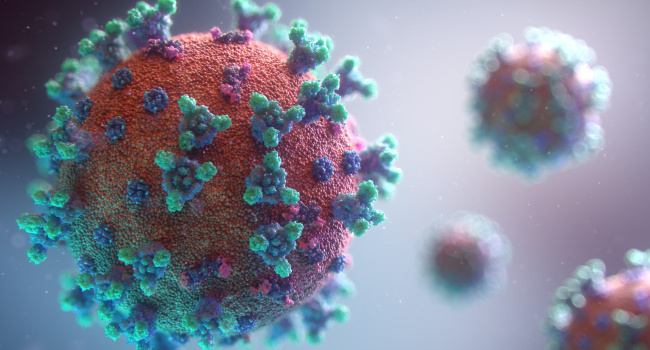
Scientists have uncovered a potential immune mechanism that may explain how infection with the Epstein-Barr virus (EBV) contributes to the development of multiple sclerosis (MS), offering new insights into one of the disease's strongest known risk factors.
The findings, published in Science Translational Medicine, build on years of evidence linking EBV to MS. Previous research has shown that nearly all people diagnosed with multiple sclerosis have been infected with EBV, and a landmark 2022 study involving millions of U.S. military personnel found that EBV infection increases the risk of developing MS by 32 times.
Despite this strong association, the biological processes connecting the virus to the autoimmune disease have remained largely unknown.
Multiple sclerosis affects an estimated 2.9 million people worldwide and occurs when the immune system mistakenly attacks myelin, the protective sheath surrounding nerve fibers in the brain and spinal cord. Damage to myelin disrupts communication between the brain and the rest of the body, leading to symptoms such as muscle weakness, fatigue and impaired balance.
To investigate the immune response, researchers analyzed blood samples from people with untreated MS, patients receiving MS therapies and healthy volunteers. Blood cells were exposed to proteins produced by EBV during different stages of its life cycle.
The study found that individuals with untreated MS exhibited approximately twice the CD4+ T-cell response to proteins from the virus's late active stage compared with healthy participants. These helper T cells play a central role in regulating immune and inflammatory responses.
The strongest immune reactions were directed against proteins that form newly produced EBV viral particles, including components of the virus's outer оболочка. According to the researchers, this heightened immune response appears to be a distinctive feature of multiple sclerosis and may help explain the connection between EBV infection and the disease. However, the exact mechanism by which these immune cells eventually damage myelin remains unclear.
Importantly, the exaggerated immune response was specific to Epstein-Barr virus. When scientists examined responses to two other common herpesviruses, they found no significant differences between patients with MS and healthy individuals.
The researchers also assessed how standard MS therapies influence this immune response. Patients treated with anti-CD20 medications—which eliminate B cells, the immune cells where EBV persists after infection—experienced a 2.5-fold reduction in the overactive CD4+ T-cell response.
The authors conclude that EBV proteins produced during viral particle formation are the primary targets of CD4+ T cells in multiple sclerosis and that currently available therapies can significantly reduce this abnormal immune activity. The findings provide new evidence supporting EBV's role in MS and may contribute to the development of more targeted treatment strategies in the future.
Follow NEWS.am Medicine on Facebook and Twitter





- Most read
month
week
day
- An Unexpected Paradox: Both Very Low and Very High Testosterone Levels May Be Equally Dangerous for the Heart 978
- Alcohol-Related Cancer Deaths Double in the U.S. as the Number of Such Deaths Rises Over 33 Years 896
- The Independent: Aging Is the Main Risk Factor for Cancer 879
- At-Home Urine Test Could Detect Most Bladder Cancer Cases, Study Finds 856
- CC: Age-Related Changes in Memory May Begin as Early as 50 851
- Scientists Find Who May Benefit More from Coffee in Terms of Parkinson’s Disease Risk 717
- JID: Popular Weight-Loss Drugs May Increase the Risk of Male Pattern Hair Loss by 7% 126
- SB: The Rule of Drinking Eight Glasses of Water a Day Has No Scientific Basis 125
- TCTV: New Drug Doubles Survival in Lung Cancer 125
- npj Science of Food: A Spoonful of Vegetable Oil Before a Carb-Rich Meal May Blunt Blood Sugar Spikes 124
- Weight-Loss Drug May Affect Aging: Scientists Discover an Unexpected Effect of Semaglutide 120
- How the Pursuit of Perfect Sleep Can Keep You Awake 120
- In the U.S., Prescriptions for Obesity Drugs for Children Under 12 Increased 310-Fold in Seven Years 118
- How Can a Fly’s Brain Help Us Understand Human Behavior? 112
- Find us on Facebook
- Poll