


- Latest news▼
-
10:55, October 16 Science Corporation Implants Vision-Restoring Chip in First Patient With Stargardt Disease

-
12:33, October 15 Scientists Discover a Longevity Gene That Extends Lifespan by 14%

-
10:37, October 15 WHO: Lead Poisoning Claims More Than 3.5 Million Lives Every Year

-
08:47, October 15 Why It Can Sometimes Be Impossible to Stop Laughing: Neuroscientists Identify Two Mechanisms Behind Laughter

-
21:24, October 14 Molecular Cell: Bacteria Hide an Unusual Defense Mechanism That Activates When a Virus Attacks

-
19:47, October 14 Chemical Senses: A Healthy Diet May Be Linked to a Better Sense of Smell

-
17:39, October 14 It's Not Just Weight: Body Shape Is Linked to Heart Attack Risk

-
15:42, October 14 Study: Humanity Is Losing Gut Microbes Passed Down Through Generations

-
13:48, October 14 International ACTS Research Project to Support Smoking Cessation Launched in Armenia

-
12:33, October 14 Study: Healthy Diet During Pregnancy Reduces the Risk of Colic and Eczema in Children

-
10:30, October 14 HealthAI: Artificial Intelligence Helps Healthcare Shift from Treatment to Prevention

-
08:36, October 14 Pancreatic Cancer Can Change Its “Genetic Strategy”: Study Identifies Key Mechanisms

-
23:37, October 13 eClinicalMedicine: More Than 40% of Women with Autoimmune Diseases Have Experienced a Misdiagnosis of a Psychiatric Condition

-
21:42, October 13 JES: Longer Sleep May Increase the Risk of Kidney Damage in People with Diabetes

-
19:40, October 13 CB: Kefir, Yogurt, and Cottage Cheese May Support Muscle Growth and Repair

All materials
Scientists Develop a New Model to Predict the Risk of Tooth Decay in Children
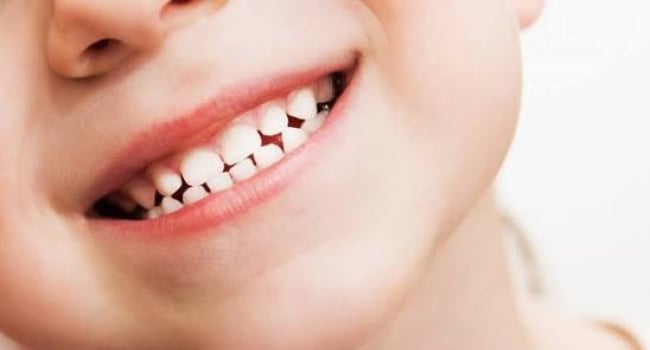
Scientists at Saint Petersburg State University (SPbSU) have developed a multifactor mathematical model that can predict the risk of early childhood caries and help create personalized prevention strategies before the first symptoms of the disease appear. The university’s press service told TASS.
“Doctors only need to enter basic medical history data about the child into the system. The algorithm then immediately assesses the impact of social, hygiene, and dietary factors and calculates an individual risk forecast. Based on these calculations, a personalized prevention plan is developed, including dietary recommendations, appropriate oral hygiene procedures, and a schedule of visits to specialists. Implementing this comprehensive program in healthcare could help curb the rise in caries rates at the earliest stages,” the statement said.
Caries is one of the most common diseases worldwide, affecting between 17% and 94% of children. Advanced tooth decay not only reduces quality of life but can also negatively affect physical development: children with a high burden of caries may lag behind their peers in height and weight and may also have lower lung capacity.
According to the university’s press service, the researchers analyzed the epidemiological situation in St. Petersburg. They found that despite generally healthy teeth during the first year of life, caries is diagnosed in one in three children in the city by the age of three, while by age six, the prevalence of caries in primary teeth exceeds 60%.
Based on questionnaires completed by parents, the SPbSU researchers identified the main modifiable risk factors contributing to enamel deterioration during the first years of life. These included starting oral hygiene late — after the age of one — breastfeeding for longer than 12 months, nighttime feeding after six months of age, particularly with sweet foods, and introducing complementary foods after nine months. Other factors associated with increased risk included relying exclusively on homemade infant foods or purées, choosing fluoride-free toothpaste, and the absence of adult supervision during tooth brushing.
As part of the study, the researchers also conducted a chemical analysis of baby foods. They found that both commercially produced and homemade complementary foods examined in the study could contribute to the development of caries because of excessive carbohydrate content and insufficient levels of certain micronutrients. Fruit purées for babies were considered particularly risky because of their extremely low pH and high sugar concentrations. In contrast, meat- and vegetable-based purées had a more balanced composition that could support enamel mineralization.
Follow NEWS.am Medicine on Facebook and Twitter

- Video




- Event calendar
- Archive
- Most read
month
week
day
- Can a Healthy Diet Help Preserve Memory? Study Reveals Limitations of Popular Diets 826
- EU Countries to Discuss Possible Plague Outbreak in Russia 764
- Blood Markers May Reveal Signs of Accelerated Immune Aging 746
- Scientists Discover How Horseback Riding Affects Behavior in Children with Autism 729
- Study: Even Short-Term E-Cigarette Use Damages the Lungs 711
- Diabetes: Olive Oil Before Carbohydrates Reduced the Rise in Blood Glucose 707
- Frontiers in Psychology: Scientists Find That Nature Walks Can Help Lonely People 705
- Study: Memory Decline Between Ages 60 and 69 Is Linked to an Increased Risk of Stroke 705
- Cannabis Does Not Improve Sleep: Study Reveals an Unexpected Effect 687
- International ACTS Research Project to Support Smoking Cessation Launched in Armenia 340
- Molecular Cell: Bacteria Hide an Unusual Defense Mechanism That Activates When a Virus Attacks 306
- Chemical Senses: A Healthy Diet May Be Linked to a Better Sense of Smell 287
- Study: Healthy Diet During Pregnancy Reduces the Risk of Colic and Eczema in Children 254
- HealthAI: Artificial Intelligence Helps Healthcare Shift from Treatment to Prevention 231
- It's Not Just Weight: Body Shape Is Linked to Heart Attack Risk 219
- Find us on Facebook
- Poll