


- Latest news▼
-
22:46, September 3 At-Home Urine Test Could Detect Most Bladder Cancer Cases, Study Finds
-
20:38, September 3 Alcohol-Related Cancer Deaths Double in the U.S. as the Number of Such Deaths Rises Over 33 Years

-
18:29, September 3 An Unexpected Paradox: Both Very Low and Very High Testosterone Levels May Be Equally Dangerous for the Heart

-
16:11, September 3 The Independent: Aging Is the Main Risk Factor for Cancer

-
14:13, September 3 CC: Age-Related Changes in Memory May Begin as Early as 50

-
08:34, September 3 Scientists Find Who May Benefit More from Coffee in Terms of Parkinson’s Disease Risk

-
23:37, September 2 LDE: Popular Diabetes Drugs Linked to Risk of a Dangerous Complication in Certain Patients
-
19:45, September 2 European Journal of Nutrition: Some Additives in Ultra-Processed Foods May Be Linked to Depression Risk

-
17:29, September 2 Neuron: Human Brain Immune Cells Mature Hundreds of Times More Slowly Than Those in Mice

-
15:21, September 2 Frontiers in Nutrition: Sucralose and Stevia Altered the Gut Microbiome for Two Generations in Mice

-
13:13, September 2 Frontiers: Frequent Consumption of Sugary Drinks Linked to a 23% Higher Risk of ADHD in Children

-
11:12, September 2 Food & Function: Nuts May Accelerate Blood Vessel Recovery After Stroke

-
08:39, September 2 Scientists Discover Hidden Sign of Crohn’s Disease and Ulcerative Colitis Before a Flare-Up

-
22:41, September 1 Not Just APOE4: Scientists Identify 44 Genes That May Alter Alzheimer’s Risk
-
20:39, September 1 The Word “Diet” May Put Men Off: Study Suggests Easier Ways for Them to Lose Weight

All materials
At-Home Urine Test Could Detect Most Bladder Cancer Cases, Study Finds
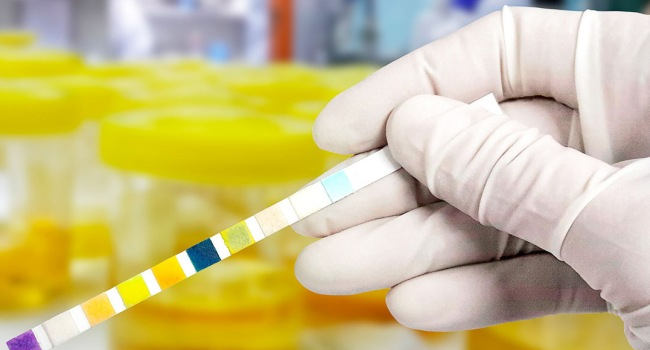
A genomic urine test could help detect the majority of bladder cancer cases and reduce the number of patients who need urgent invasive examinations, according to a multicentre study conducted in NHS hospitals in the UK.
Researchers led by the University of Birmingham evaluated the GALEAS bladder test in 964 patients who had been urgently referred to urology departments because of haematuria, or blood in the urine. The findings showed that the test detected 71 of 77 bladder cancer cases, corresponding to a sensitivity of 92.2%.
The study also found that the test identified all 17 cases of muscle-invasive bladder cancer and 35 of 36 high-grade tumours.
GALEAS analyses urine for genetic changes associated with bladder cancer. The test examines more than 450 DNA mutations across 23 genes and is designed to identify cancer-related genetic material released by tumour cells into the urine.
One of the most significant findings was the test’s negative predictive value. Patients who received a negative GALEAS result had a 99.3% probability of not having bladder cancer. Among patients with non-visible haematuria, in which blood cannot be detected by the naked eye, the test identified all bladder cancer cases recorded in the study.
Potential to Reduce Cystoscopies
Bladder cancer is commonly investigated using cystoscopy, a procedure in which a small camera is inserted through the urethra to examine the inside of the bladder. Although the procedure is an important diagnostic tool, it can be uncomfortable and places additional pressure on healthcare services.
The researchers suggest that urine testing could help doctors determine which patients require an urgent cystoscopy and which may be able to safely postpone the procedure.
At the most cautious clinical threshold evaluated in the study, using GALEAS to triage patients could reduce the number of urgent cystoscopies by approximately 730 for every 1,000 patients compared with referring everyone for immediate cystoscopy.
The researchers say the approach could potentially reduce pressure on NHS urology services and shorten waiting times. Because the urine sample can be collected without an invasive procedure, the test may also eventually be suitable for use at home.
Professor Richard Bryan, Director of the University of Birmingham’s Bladder Cancer Research Centre and a co-author of the study, said the findings demonstrate that molecular urine testing can help clinicians identify which patients need urgent cystoscopy and which may be able to defer the procedure.
The GALEAS test is already being incorporated into NHS pathways at some centres in England and Wales, while its clinical use is being expanded to additional sites.
However, the researchers stress that the urine test is intended to support clinical decision-making rather than replace standard diagnostic procedures in every patient. Further evaluation will be needed to determine how the test can best be incorporated into routine bladder cancer diagnosis and referral pathways.
Follow NEWS.am Medicine on Facebook and Twitter




- Most read
month
week
day
- Immunity: COVID-19 May Trigger a Mechanism Similar to the Development of Autoimmune Diseases 656
- Patient with Metastatic Pancreatic Cancer Remains Disease-Free for More Than Three Years After Experimental Treatment 634
- Scientists Identify Diet That Reduces Liver Fat and Prediabetes Risk More Effectively Than Others 606
- Caffeine vs. a Sleepy Morning: Experiment Produces an Unexpected Result 592
- Global Number of People Living with Type 1 Diabetes Could Rise by 29% by 2049 532
- European Dietitian Recommends Eating Whole-Grain Bread Several Times a Day 532
- AI Assesses the Risk of Hypertension and Other Systemic Diseases From Eye Fundus Images 524
- Extreme Temperatures May Raise the Risk of Hospitalization for Heart Failure 444
- Scientists Identify Dozens of Overlooked Health Risks During Heatwaves 432
- Adolescent Alcohol Use Disrupts Brain Cell Connections and Alters Adult Behavior 423
- Missing Summer Already? Simple Ways to Beat the Back-to-Work Blues 407
- Study: Nicotine Vapes May Be More Effective Than Other Smoking Cessation Aids 405
- SciSign: Cancer-Associated Protein BRAF Identified as a Potential Driver of Chronic Pain 404
- AI Trained to Detect Four Lung Diseases Through Exhaled Breath 398
- Not Just APOE4: Scientists Identify 44 Genes That May Alter Alzheimer’s Risk 396
- Find us on Facebook
- Poll