


- Latest news▼
-
17:08, September 15 Daily Mail: Rare IRF8 Immunodeficiency May Increase Susceptibility to Cancer
-
15:11, September 15 PNAS: British Scientists Map Visual Brain Areas in Deaf People for the First Time
-
13:04, September 15 AJMS: Red Lunulae May Signal Several Diseases

-
11:03, September 15 Current Biology: Specialized ASM4 Neurons in the Brain May Almost Completely Suppress Aggression
-
20:50, September 14 MCell: Caffeine Activates a Cellular Mechanism Linked to Aging

-
18:44, September 14 JAMA Dermatology: Upadacitinib Helps Patients with Alopecia Regrow Their Hair

-
16:42, September 14 JAMA: Nuts and Olive Oil May Lower the Risk of Premature Death After Prostate Cancer

-
14:37, September 14 Cell Reports Medicine: New Antibodies Block Epstein–Barr Virus from Entering Cells
-
12:40, September 14 EJPC: Five Factors May Add 11 Years to Men’s Lives

-
10:39, September 14 JCI Insight: Blocking a Single Receptor Disrupts the Inflammatory “Armor” Protecting Tumors

-
08:41, September 14 More Than 7,000 Ebola Cases Recorded in DR Congo — Largest Outbreak in the Country’s History

-
22:16, September 13 Nature: Rare Cortical Neurons May Help Switch the Brain from Wakefulness to Sleep

-
17:34, September 13 Science: Obesity Impairs Breast Fat Tissue’s Ability to Destroy Potentially Cancerous Cells

-
12:22, September 13 Scientists Discover How Immune Cells Enter the Retina During Inflammation

-
21:53, September 12 Blood Test and Genetic Test: New Method Developed to Estimate When Alzheimer’s Symptoms May Appear

All materials
Current Biology: Specialized ASM4 Neurons in the Brain May Almost Completely Suppress Aggression
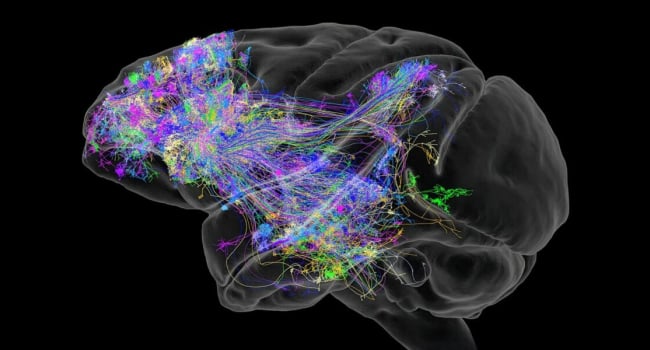
Scientists from the Salk Institute and the University of California, Los Angeles, have identified a small group of ASM4 neurons in fruit flies whose activation suppresses aggressive behavior. The findings were published in the journal Current Biology.
When two male fruit flies are placed in a small chamber, they begin attacking each other. Octopamine, a chemical messenger that performs functions similar to those of norepinephrine in humans and is associated with the “fight-or-flight” response, plays a role in this behavior. ASM4 neurons appear to work in the opposite direction and can effectively stop the fight.
The researchers developed a genetic tool that allows specific groups of neurons to be activated with precision. Using this tool, they identified ASM4 cells. When the neurons were activated with red light, the flies stopped attacking each other. Once the light was turned off, the attacks resumed.
The effect could not be explained simply by reduced motor activity. Moreover, ASM4 neurons suppressed aggression in both males and females, even though the two sexes display aggressive behavior differently. According to the authors, this may point to a more universal mechanism for controlling aggressive behavior.
Studying these cells had previously been difficult. Octopamine is used by several groups of neurons, while existing genetic tools did not allow individual cell types to be activated independently. To address this problem, the scientists tested 529 combinations of genetic markers and created 40 variants capable of selectively identifying no more than three types of neurons.
The new set of tools provided access to 14 cell subtypes that could not previously be studied separately. Using the same approach, the researchers also identified neurons involved in processing visual information and tracking moving objects.
However, the mechanism by which ASM4 neurons work is not yet fully understood. Scientists have not determined whether these cells release octopamine, tyramine or both neurotransmitters. In addition, the new tools do not yet allow ASM4 neurons to be completely separated from several neighboring cell types, meaning that activating a similar aggression-suppressing mechanism in humans is not currently possible.
Follow NEWS.am Medicine on Facebook and Twitter





- Most read
month
week
day
- BMJ: Desogestrel-containing contraceptives may increase the risk of meningioma 695
- Scientists propose a new biosensor design for more accurate medical diagnostics 659
- Study: Psychological preparation for surgery is as important as physical preparation 654
- The Guardian: Maternal anemia is associated with smaller brain volume in babies at birth 643
- In India, dogs are being trained to detect cancer-related odors 642
- Scientists develop contrast-enhanced MRI capable of detecting metastases as small as 1 mm 630
- NN: Immune cells outside the brain may damage neurons in Alzheimer’s disease 623
- BJO: Tadalafil increases glaucoma risk by 22% 617
- Nutrients: The Aroma of Coffee May Affect Mood 577
- Journal of the Endocrine Society: Testosterone Levels Linked to Abdominal Fat 549
- European Heart Journal: Nighttime light exposure may alter heart structure 508
- NeuroImage: More time spent playing video games is linked to a thinner cerebral cortex in adolescents 487
- Greek woman gives birth to baby girl after transfer of an embryo frozen for 22 years 399
- Scientists Discover Link Between Brain Aging and the Gut Microbiome 316
- BJSM: Just 30 minutes of brisk walking a day may reduce the risk of premature death 316
- Find us on Facebook
- Poll