


- Latest news▼
-
08:39, September 18 DNA changes shape after injury: scientists identify a mechanism essential for tissue regeneration

-
19:56, September 17 Weight-loss medications may be dangerous for people with eating disorders: experts propose new recommendations

-
17:44, September 17 Frontiers: Vitamin D3 may reduce blood vessel and kidney damage associated with sleep apnea

-
15:47, September 17 PLOS: Thinning of the retina may indicate a dangerous heart rhythm disorder
-
12:42, September 17 Ophthalmologist: Frequent eyelash extensions may lead to skin mite infestation

-
10:41, September 17 First measles deaths in 35 years reported in the U.S.

-
08:38, September 17 SMed: Magnetic pulses switched immune cells to fight cancer

-
20:58, September 16 PM: Reading for Pleasure Linked to Better Mental Health and Lower Risk of Dementia

-
18:36, September 16 Air Pollution May Increase the Risk of Suicidal Thoughts and Suicide

-
16:35, September 16 From China to Armenia: Historic Cross-Continental Telesurgery Performed at Slavmed Medical Center

-
16:29, September 16 Annals of Behavioral Medicine: One Partner’s Poor Sleep May Worsen the Other Partner’s Diet

-
14:41, September 16 Protein “Guide”: Scientists Reveal Mechanism Behind Tooth Enamel Formation

-
12:39, September 16 Nutrition & Diabetes: Eight-Hour Eating Window Linked to Greater Weight Loss With Intermittent Fasting

-
10:27, September 16 Cataract Surgery in Europe Has Become Safer: Complications Occur in Less Than 1% of Cases
-
08:43, September 16 Why Do Some People Develop PTSD After a Brain Injury While Others Do Not? Scientists May Have Found a Possible Reason

All materials
Frontiers: Vitamin D3 may reduce blood vessel and kidney damage associated with sleep apnea
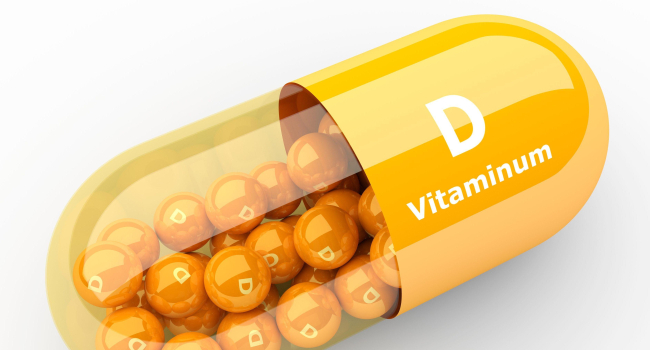
Vitamin D3 may reduce blood vessel and kidney damage associated with obstructive sleep apnea, particularly in people with vitamin D deficiency. This is the conclusion reached by scientists from King Saud University in an experiment involving rats. The findings were published in the journal Frontiers in Physiology.
Obstructive sleep apnea is characterized by repeated interruptions in breathing and drops in blood oxygen levels, a condition that can lead to premature vascular damage. The researchers modeled the condition in 56 rats. Some of the animals were also induced to develop vitamin D3 deficiency, and some of them were then given the vitamin at different doses for 14 days.
The combination of severe oxygen deprivation and vitamin D deficiency had the most harmful effects on the animals. They developed increased inflammation and damage to the inner lining of blood vessels, while nitric oxide levels decreased.
Nitric oxide (NO) is an important signaling molecule that relaxes the smooth muscles in blood vessels, causing them to dilate and helping maintain normal blood circulation. Adequate nitric oxide levels help prevent persistent high blood pressure and also reduce platelet aggregation.
The scientists also detected damage to the renal tubules — structures involved in filtering blood and producing urine. After the animals received vitamin D3, the extent of these changes decreased. The higher dose was more effective than the lower dose, and no characteristic renal tubular damage was detected in the animals that received the vitamin.
The authors suggest that vitamin D3 could potentially be considered in the future as an additional way to protect blood vessels and kidneys in people with sleep apnea and vitamin D deficiency. However, these are still preliminary findings: the study was conducted in animals, so its results and the doses used cannot be directly applied to humans.
Follow NEWS.am Medicine on Facebook and Twitter





- Most read
month
week
day
- BMJ: Desogestrel-containing contraceptives may increase the risk of meningioma 794
- Nutrients: The Aroma of Coffee May Affect Mood 644
- Journal of the Endocrine Society: Testosterone Levels Linked to Abdominal Fat 622
- PNAS: British Scientists Map Visual Brain Areas in Deaf People for the First Time 566
- NEJM: Atherosclerotic Plaques May Appear in the Arteries as Early as Age 18 496
- Air Pollution May Increase the Risk of Suicidal Thoughts and Suicide 476
- Daily Mail: Rare IRF8 Immunodeficiency May Increase Susceptibility to Cancer 475
- EHJ: Scientists Find That Sleeping in Complete Darkness May Benefit Heart Health 469
- Annals of Behavioral Medicine: One Partner’s Poor Sleep May Worsen the Other Partner’s Diet 432
- Nutrition & Diabetes: Eight-Hour Eating Window Linked to Greater Weight Loss With Intermittent Fasting 409
- Cataract Surgery in Europe Has Become Safer: Complications Occur in Less Than 1% of Cases 408
- PM: Reading for Pleasure Linked to Better Mental Health and Lower Risk of Dementia 402
- Scientists Discover Link Between Brain Aging and the Gut Microbiome 401
- Why Do Some People Develop PTSD After a Brain Injury While Others Do Not? Scientists May Have Found a Possible Reason 389
- MCell: Caffeine Activates a Cellular Mechanism Linked to Aging 336
- Find us on Facebook
- Poll