


- Latest news▼
-
23:31, October 16 Cardiologists Urge Inclusion of Physical Exercise in Heart Disease Prevention

-
21:29, October 16 Stem Cell Reports: Nicotine Exposure During Pregnancy Permanently Weakens Offspring’s Immune Systems

-
19:15, October 16 Frontiers: Poor Sleep May Increase the Risk of Breast Cancer by 30%

-
17:26, October 16 Nature: Researchers Link Faster Wound Healing to Female Sex Hormones

-
15:05, October 16 BJN: Asparagus extract helps improve sleep and reduce anxiety

-
10:55, October 16 Science Corporation Implants Vision-Restoring Chip in First Patient With Stargardt Disease

-
08:41, October 16 Smartphone Habits Can Detect Stress With Up to 76% Accuracy, Scientists Find

-
21:36, October 15 Cardiologists Urge Inclusion of Physical Exercise in Heart Disease Prevention

-
19:41, October 15 RPTH: One to Two Cups of Coffee a Day Linked to a 51% Lower Risk of Recurrent Venous Thromboembolism

-
17:50, October 15 JACH: Eating Breakfast May Improve Psychological Flexibility

-
15:42, October 15 A Simple Way to Blunt Blood Sugar Spikes After Meals

-
12:33, October 15 Scientists Discover a Longevity Gene That Extends Lifespan by 14%

-
10:37, October 15 WHO: Lead Poisoning Claims More Than 3.5 Million Lives Every Year

-
08:47, October 15 Why It Can Sometimes Be Impossible to Stop Laughing: Neuroscientists Identify Two Mechanisms Behind Laughter

-
21:24, October 14 Molecular Cell: Bacteria Hide an Unusual Defense Mechanism That Activates When a Virus Attacks

All materials
Pomegranate compound may improve heart function by up to 80% in study
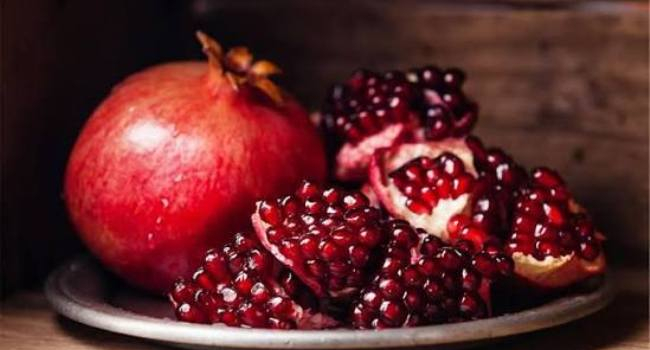
A natural compound produced by the body after eating foods such as pomegranates, walnuts and some berries improved measures of heart function by up to 80% in experimental models of a difficult-to-treat form of heart failure, according to researchers at King's College London.
The compound, urolithin A, helped stiff heart tissue relax more effectively, while also reducing fibrosis and limiting abnormal enlargement of the heart. The researchers also found that it improved relaxation in engineered human heart tissue.
A difficult form of heart failure to treat
The findings could eventually be relevant to nearly half a million people in the UK living with heart failure with preserved ejection fraction (HFpEF), a condition in which the heart can still pump blood effectively but becomes too stiff to relax properly between beats. This makes it harder for the heart to fill with blood.
HFpEF accounts for around half of all heart failure cases and can cause breathlessness, fatigue, reduced exercise capacity and a poorer quality of life.
Treatment remains challenging because the condition can be driven by several factors, including aging, high blood pressure and diabetes. Since the heart's pumping ability remains relatively normal while its ability to relax and fill with blood is impaired, many traditional heart failure treatments are less effective. Doctors therefore often focus on managing underlying conditions and recommending lifestyle changes such as weight loss and better blood sugar control.
"This type of heart failure is becoming increasingly common as populations age and rates of obesity and diabetes rise. Despite its growing burden, treatment options remain limited because the disease is complex and varies considerably between patients," said Dr Joseph Burgoyne, senior author of the study at King's College London.
How urolithin A affects the heart
Urolithin A has attracted increasing scientific interest because of its links to healthy aging and mitochondrial function, the process through which cells generate energy.
The researchers found for the first time that urolithin A activates a protein called PKGIα, which plays an important role in blood vessel function and the relaxation of heart muscle. The compound acts on a specific amino acid in the protein, triggering a pathway associated with cardiovascular benefits.
In animal models, urolithin A improved measures of heart function by as much as 80% compared with untreated models. Laboratory experiments also showed that the compound improved the ability of heart tissue to relax and reduced fibrosis, or harmful scarring that can interfere with normal heart function.
Urolithin A also limited the enlargement of heart muscle cells, helping them maintain more normal function.
Results in engineered human heart tissue
The researchers then tested urolithin A in engineered human heart tissue made from human stem cells. This advanced laboratory model closely mimics the structure and function of human heart muscle.
The compound significantly improved tissue relaxation, suggesting that the effects observed in animal models could potentially translate to human cardiac function.
Unlike many compounds being investigated as experimental treatments, urolithin A has already been studied in humans and has shown a favorable safety profile.
However, further research will be needed before the findings can be translated into treatments for patients. The study identifies both a potential new therapeutic target and a naturally derived compound that could help address an important unmet need in cardiovascular medicine.
A potential new therapeutic target
"Our findings identify a completely new therapeutic target and show that urolithin A can activate this pathway to improve heart relaxation and reduce disease severity," Burgoyne said. "This raises the possibility of developing new treatments that improve clinical outcomes and quality of life for people living with the condition."
He cautioned that there is not enough evidence to recommend eating pomegranates as a treatment for heart failure. However, the findings raise the possibility that dietary approaches capable of increasing the body's production of urolithin A could potentially help alleviate the condition.
Professor James Leiper, Director of Research at the British Heart Foundation, said the early-stage findings suggest that urolithin A may improve the ability of heart tissue to relax and fill with blood between beats, while reducing harmful changes to the heart muscle associated with HFpEF.
He stressed that the benefits have so far been observed only in animals and engineered human tissue. Clinical trials in people will therefore be needed to determine whether the approach is effective for patients.
The researchers also emphasized that a healthy, balanced diet remains an important part of maintaining heart health. Although eating plenty of fruit and vegetables is associated with better cardiovascular health, no single food can prevent or treat heart disease on its own.
The study was published in Science Advances and was funded by the British Heart Foundation.
Follow NEWS.am Medicine on Facebook and Twitter

- Related News
- RPTH: One to Two Cups of Coffee a Day Linked to a 51% Lower Risk of Recurrent Venous Thromboembolism People who drank one to two cups of coffee a day had an estimated 51% lower risk of recurrent venous thromboembolism than those who did not drink coffee...
- JACH: Eating Breakfast May Improve Psychological Flexibility The researchers conducted an anonymous survey of approximately 400 university students...
- Chemical Senses: A Healthy Diet May Be Linked to a Better Sense of Smell The study used data from 6,690 adults with an average age of 44.5 years...
- CB: Kefir, Yogurt, and Cottage Cheese May Support Muscle Growth and Repair In addition, beneficial bacteria and compounds found in fermented foods may help reduce inflammation...
- AJCN: Regular Peanut Consumption May Reduce the Risk of Type 2 Diabetes The results showed that peanut consumption significantly changes the composition of blood lipids...
- Video




- Event calendar
- Archive
- Most read
month
week
day
- International ACTS Research Project to Support Smoking Cessation Launched in Armenia 526
- Cardiologists Urge Inclusion of Physical Exercise in Heart Disease Prevention 490
- Molecular Cell: Bacteria Hide an Unusual Defense Mechanism That Activates When a Virus Attacks 488
- Stem Cell Reports: Nicotine Exposure During Pregnancy Permanently Weakens Offspring’s Immune Systems 474
- Frontiers: Poor Sleep May Increase the Risk of Breast Cancer by 30% 471
- Nature: Researchers Link Faster Wound Healing to Female Sex Hormones 437
- HealthAI: Artificial Intelligence Helps Healthcare Shift from Treatment to Prevention 409
- Chemical Senses: A Healthy Diet May Be Linked to a Better Sense of Smell 390
- eClinicalMedicine: More Than 40% of Women with Autoimmune Diseases Have Experienced a Misdiagnosis of a Psychiatric Condition 380
- Pancreatic Cancer Can Change Its “Genetic Strategy”: Study Identifies Key Mechanisms 372
- Science Corporation Implants Vision-Restoring Chip in First Patient With Stargardt Disease 361
- BJN: Asparagus extract helps improve sleep and reduce anxiety 359
- Study: Healthy Diet During Pregnancy Reduces the Risk of Colic and Eczema in Children 352
- JES: Longer Sleep May Increase the Risk of Kidney Damage in People with Diabetes 338
- It's Not Just Weight: Body Shape Is Linked to Heart Attack Risk 331
- Find us on Facebook
- Poll