


- Latest news▼
-
21:36, October 24 From Cancer to Alzheimer's Disease: Scientists Call for a Major International Human Microbiome Research Initiative

-
18:14, October 24 How Ultra-Processed Foods Affect Children's Brains: Study Links Brain Activity to Weight Gain

-
15:39, October 24 Scientists Create Immune Cell Atlas That Could Help Assess Cancer Risk and Premature Death

-
13:42, October 24 New mRNA Vaccine Reduces Risk of Melanoma Recurrence After Surgery by 42%

-
08:37, October 24 Mice Help Scientists Uncover the Cause of a Rare Disease
-
22:53, October 23 Scientists Use ChatGPT-Like Technology to Assess Stroke Risk From Human DNA
-
20:56, October 23 Nubar Afeyan’s Company Tests Skin Cancer Vaccine: Risk of Recurrence Falls by 42%
-
18:49, October 23 bioRxiv: Cholesterol May Interfere with the Brain’s Ability to Clear Toxic Proteins
-
16:56, October 23 PLOS One: A Short Strength-Training Routine Improved Balance and Strength in Adults Over 65

-
14:50, October 23 A Simple 15-Minute Procedure Helped Patients with Carpal Tunnel Syndrome Avoid Surgery

-
12:53, October 23 Scientists Rejuvenate Cells by More Than 60 Years for the First Time
-
10:47, October 23 WHO Comments on First Documented Human Death Linked to Shamonda Virus

-
08:24, October 23 A Single Tooth Can Reveal Six Types of Information About a Person, Including Their Health

-
20:34, October 22 Medical Xpress: Hypnosis and Psychotherapy May Help Relieve Chronic Abdominal Pain in Children

-
18:51, October 22 Nature: Cold Triggers Muscles to Produce Protective Metabolite BH2

All materials
From Cancer to Alzheimer's Disease: Scientists Call for a Major International Human Microbiome Research Initiative
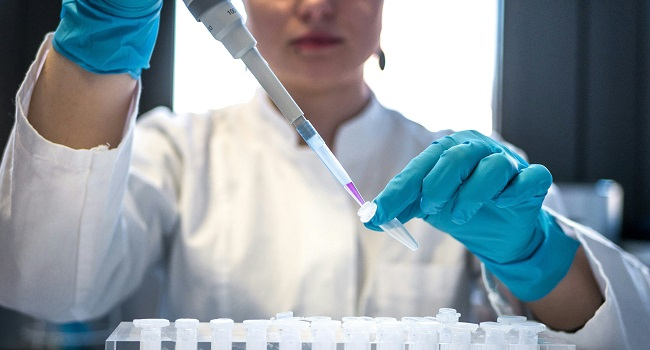
Scientists have called for the launch of a large-scale international research initiative to investigate the human microbiome, determine how microorganisms living in and on the body influence the development of chronic diseases, and explore how they could be used to restore health. The research agenda was published in Nature Medicine, with contributions from specialists at Rutgers University in the United States.
The microbiome is the collection of trillions of microorganisms that play a role in immune function and metabolism. Researchers suggest that changes in the microbiome may be associated with the rising prevalence of obesity, asthma and food allergies. Factors such as antibiotic use, cesarean delivery, formula feeding and diets high in heavily processed foods can influence the composition of microbial communities.
However, many of the associations identified so far do not prove that microbiome changes directly cause disease. Large-scale controlled studies with long-term follow-up are needed to establish causal relationships.
The authors outlined ten research priorities grouped into four areas: advancing the scientific foundations, developing clinical treatments, investigating the most promising opportunities and educating the public. They called for common research standards across countries so that findings could be compared and combined. Particular attention should be given to pregnancy and early childhood.
According to the researchers, one of the most critical periods is the first 1,000 days of life, from pregnancy through a child's second birthday. During this time, the microbiome develops rapidly. Scientists want to determine whether changes associated with factors such as antibiotic use in infancy or cesarean delivery can increase the risk of metabolic and allergic diseases later in life. To investigate this, they propose following children from pregnancy through adolescence and evaluating potential preventive interventions.
Some microbiome-based treatments are already in use. The US Food and Drug Administration (FDA) has approved Rebyota and Vowst, products containing microorganisms derived from donated human fecal material. They are used to prevent recurrent Clostridioides difficile infections in adults following antibiotic treatment.
Other promising research directions include investigating how gut microorganisms affect the effectiveness of cancer immunotherapy and exploring potential links between the gut and the brain in Parkinson's disease and Alzheimer's disease. However, the effectiveness of these approaches must be established separately for each condition.
The researchers also propose incorporating current knowledge about the microbiome and nutrition into medical education and school curricula. In addition, they recommend assessing how medications, dietary supplements and environmental factors affect the human body's microbial communities.
Follow NEWS.am Medicine on Facebook and Twitter

- Video



- Event calendar
- Archive
- Most read
month
week
day
- Tea May Benefit Heart Health — but Drinking It Scalding Hot Could Be Risky 387
- Why Some People Avoid Alzheimer’s Despite Carrying a High-Risk Gene 349
- LSD does more than disrupt brain rhythms: It speeds them up and increases signal complexity 329
- Nine-year study links changing loneliness patterns to increased heart disease risk 321
- Scientists Rejuvenate Cells by More Than 60 Years for the First Time 295
- PLOS: Yogurt and Canned Beans May Help Reduce the Risk of Colorectal Cancer 295
- bioRxiv: Cholesterol May Interfere with the Brain’s Ability to Clear Toxic Proteins 275
- Nubar Afeyan’s Company Tests Skin Cancer Vaccine: Risk of Recurrence Falls by 42% 271
- Scientists Use ChatGPT-Like Technology to Assess Stroke Risk From Human DNA 265
- PLOS One: A Short Strength-Training Routine Improved Balance and Strength in Adults Over 65 257
- AJOG: Birth Weight Is Linked to Later Performance in Math and Reading 242
- SciRep: Walking More Than 8,000 Steps a Day Is Linked to Better Attention 233
- Noise-Canceling Headphones Reduced the Risk of Nausea After Gynecological Surgery by 32% 233
- WHO Comments on First Documented Human Death Linked to Shamonda Virus 223
- Scientists Unveil Scanner That Captures Whole-Body Images in Just 60 Seconds 219
- Find us on Facebook
- Poll