make preferable
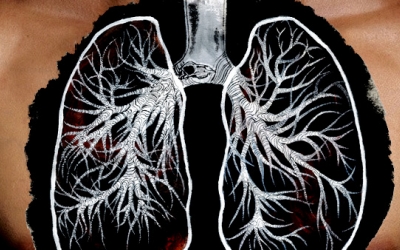
The lungs of individuals who have a smoking history of 20 pack years - the equivalent to smoking one pack a day for 20 years - are usually deemed ineligible for donation. But new research suggests that transplanting lungs from heavy-smoking donors does not affect patient outcomes after surgery, Medical News Today reports.
The research team analyzed data of 237 patients who underwent lung transplantation at Harefield Hospital between 2007 and 2012. Characteristics of both patients and donors were assessed, as well as patient outcomes following transplantations.
The lung transplant patients were split into three groups: Patients who were transplanted with lungs from smoking donors (less than 20 pack years); Patients who were transplanted with lungs from heavy-smoking donors (more than 20 pack years), and Patients who were transplanted with lungs from non-smoking donors.
The investigators say that all patients had comparable characteristics at the baseline of the study, and they excluded patients who were transplanted with lungs from donors with an unknown smoking history.
A new study finds that transplanting lungs from heavy-smoking donors does not affect patient outcomes after surgery. However, they note that heavy-smoking donors were much older than non-smoking and smoking donors.
The analysis revealed that patients transplanted with lungs from donors who smoked or were heavy smokers did not experience any severe negative outcomes following surgery, compared with patients transplanted with lungs from donors who did not smoke.
The United Network for Organ Sharing states that there were 1,763 lungs donated for transplantation in the US last year. But there continues to be a shortage relative to the number of lung transplantations required.
According to Dr. Sabashnikov, these findings show that using donor lungs from heavy smokers could be a way of tackling this shortage.