make preferable
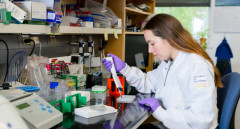
Researchers have found a potential solution for recurrent urinary tract infections (UTIs). In new research led by University of Utah microbiologists, researchers found that the compound chitosan in combination with antibiotics was successful at eliminating reservoir populations of bacteria in mouse models, reports Fox News.
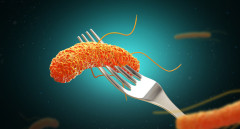
UTIs often occurs when E. coli bacteria infect the bladder, causing painful urination and a persistent urge to pee. Women are also at a greater risk of infection than men, likely because they have shorter urethras.
Patients with UTIs are usually prescribed antibiotics, but the treatment isn’t always effective for fully eliminating the bacteria deep within the bladder’s cell layers.
“We do know that 25 percent [of UTI sufferers] will have a recurrent infection within six months, which tells us the antibiotics aren’t completely clearing the infection,” study author Matthew Blango, a University of Utah postdoctoral fellow, told FoxNews.com.
In order to find a solution to this problem, researchers tested various antibiotics with chitosan – a derivative found shellfish that has been used as a drug carrier. They found that fluoroquinolones, including the commonly prescribed sparfloxacin and ciprofloxacin, were the most effective at eliminating the bacteria in the bladder.
According to the researchers, the chitosan exfoliated the large, protective epithelial cells from the bladder, allowing the antibiotics to then permeate into the deeper tissues to eliminate bacteria. These epithelial cells, which protect urine from entering the bladder tissues, regenerate quickly and reformed a protective barrier after the treatment.
According to the National Kidney Foundation, UTIs are responsible for nearly 10 million doctor visits each year.