make preferable
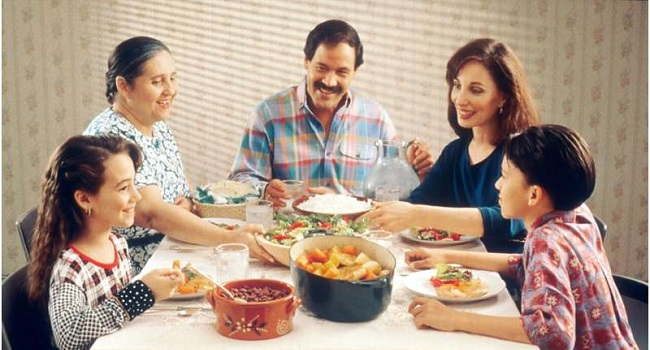
Emotional eating, or eating as a coping mechanism for negative, positive, or stress-induced emotions, has been linked to unhealthy eating and weight gain. A research article published in the Journal of Nutrition Education and Behavior discusses adolescents' vulnerability to emotional eating and how different eating practices used by parents, such as restriction, eating as a reward, and child participation, affect eating behavior. The original study was conducted in 2017 with 218 families. Longitudinal data collected in 2013 were also available. One parent from each family completed the Child Feeding Questionnaire and the Child Feeding Practice Questionnaire, and the adolescent and parent completed the Dutch Eating Behavior Questionnaire. Emotional regulation was assessed using the Dutch version of the FEEL-KJ questionnaire developed for children. The adolescent's body weight and height were measured by the researchers. Over the four years from 2013 to 2017, spanning late childhood to middle adolescence, there were changes in some parenting practices. Parents reported higher levels of control and healthy modeling of eating practices, while levels of food restriction and healthy environments remained unchanged. Over the same time period, adolescents reported a significant increase in emotional eating, from below average in 2013 to above average in 2017, in line with norms for the Dutch population. In addition, a maladaptive way of regulating one's emotions was also associated with emotional eating. Eating as a reward and controlling for food increased emotional eating, especially when the adolescent used maladaptive strategies to regulate his or her emotions. Child participation in eating had the opposite effect, as it was associated with higher levels of emotion regulation and lower levels of emotional eating. Interestingly, restrained parental eating behavior was associated with less emotional eating in adolescents.
What role does parental eating behavior play in emotional eating of adolescents?