make preferable
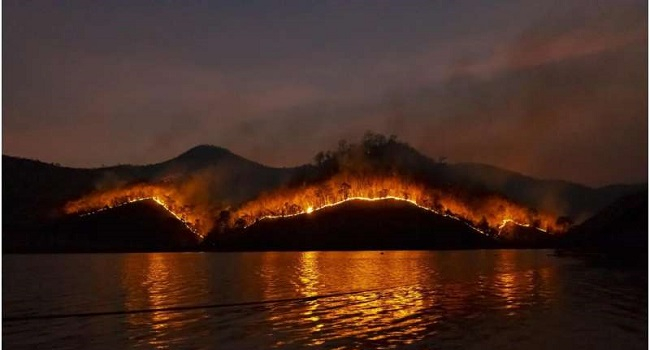
As wildfires in California become more intense, frequent, and widespread, many child survivors experience long-term psychological trauma, such as anxiety, depression, and post-traumatic stress disorder. Children may also develop sleep or attention problems and may have difficulty in school. If not dealt with, emotional trauma can affect their physical health, potentially leading to chronic health problems, mental illness and substance use, writes Medical Xpress. According to a study published by the Centers for Disease Control and Prevention, about 7.4 million children in the U.S. are affected by wildfire smoke each year, which not only affects the respiratory system, but can also contribute to attention deficit/hyperactivity disorder, autism, poor school performance and memory problems. Children may react differently to trauma depending on their age. Younger children may experience anxiety and fear, poor eating habits, or anxiety when separated from their parents or trusted adults. Older children may feel depressed and lonely, they may develop eating disorders or self-injurious behavior, and they may start using alcohol or drugs. When you have children who have experienced such intense evacuations, loss of life, total destruction of property, it's very important that they have social support, says Melissa Brymer, director of terrorism and disaster programs at the National Center for Child Traumatic Stress at the University of California-Duke. Children also need stress coping tools to help them stay calm, Brymer said. Sarah Lowe, a clinical psychologist and assistant professor at the Yale School of Public Health, says that while a little anxiety may motivate adults, it does not for children. She recommends that they observe sleep patterns and meal times. Emergency responders have begun to incorporate mental health issues for both adults and children into their disaster response plans.
About 7.4 million children in U.S. suffer serious consequences from wildfires each year