
 make preferable
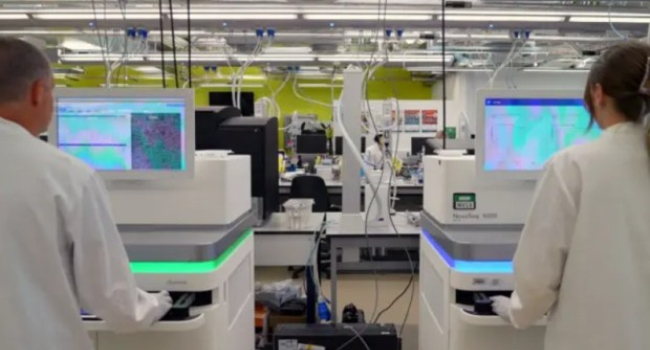
An unprecedented and highly controversial project in scientific history has been launched in Cambridge, in which scientists hope to assemble the structural components of human DNA from scratch, atom by atom, from the initial chemical elements that make them up, the BBC reports.
Until recently, any research in this area was strictly prohibited due to fears that editing the human genome could eventually lead to the creation of so-called designer babies—with pre-programmed characteristics—or some undesirable, unpredictable, and irreversible changes for future generations.
But now the world's largest medical charity, the Wellcome Trust, has given an initial £10 million pounds (about $13.7 million) to start the project and says it has the potential to do more good than harm by accelerating treatments for many incurable diseases.
These are treatment methods that will purposefully improve the patient’s condition as they age, ultimately ensuring a healthier old age with less disease.
“We are looking to use this approach to generate disease-resistant cells we can use to repopulate damaged organs, for example in the liver and the heart, even the immune system,” said Dr. Julian Sale, of the MRC Laboratory of Molecular Biology in Cambridge, who is part of the project.
The new work that is getting under way, called the Synthetic Human Genome Project, potentially takes this a giant leap forward – it will allow researchers not just to read a molecule of DNA, but to create parts of it—maybe one day all of it - molecule by molecule from scratch.
The scientists' first aim is to develop ways of building ever larger blocks of human DNA, up to the point when they have synthetically constructed a human chromosome. These contain the genes that govern our development, repair, and maintenance.
By learning to create a DNA molecule from scratch, one will be able to test how the genetic code actually works, confirming or disproving most of the existing genetic theories, the professor noted, because today this can only be done by making changes to the existing DNA chain of living organisms.
The project will work exclusively in test tubes and Petri dishes. It will not be an attempt to artificially create life. However, the resulting technology will give researchers unprecedented control over the systems of the human body.





