
 make preferable
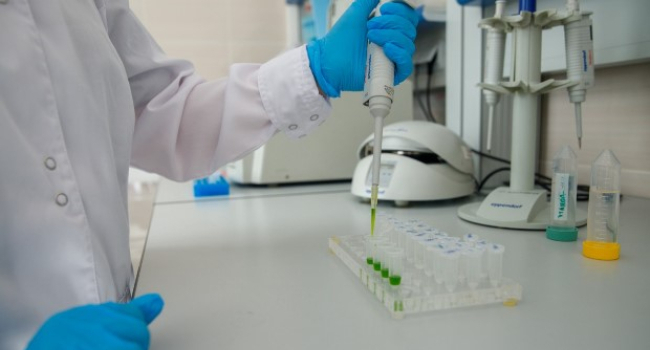
An international team of researchers, led by scientists from the Centre for Neuropsychiatric Genetics and Genomics at Cardiff University, has conducted the largest schizophrenia study to date using exome sequencing. The findings, published in Nature Communications, provide new insights into the causes of the disorder and pave the way for future therapeutic approaches.
The study analyzed genetic material from nearly 29,000 patients with schizophrenia, more than 103,000 individuals without the diagnosis, and 3,400 families with a history of the disorder. The researchers focused on rare but significant mutations in protein-coding genes.
Particular attention was drawn to two genes — STAG1 and ZNF136 — whose connection to schizophrenia received the strongest confirmation. Six additional genes — SLC6A1, KLC1, PCLO, ZMYND11, BSCL2, and CGREF1 — were also found to be associated with the disorder.
Interestingly, SLC6A1 and KLC1 became the first genes where schizophrenia risk was linked exclusively to so-called missense mutations — changes that alter the amino acid sequence of proteins. According to the researchers, this points to potential disruptions in DNA organization within cells and malfunctions in GABA, the brain’s primary inhibitory neurotransmitter.
The scientists also emphasized that some of the newly identified genes had previously been linked to other neurodevelopmental conditions — including autism, epilepsy, and developmental delay. This supports the idea of shared genetic roots across different disorders.
“Our results significantly expand the number of genes reliably associated with rare mutations in schizophrenia and provide a foundation for future studies of the specific mechanisms underlying the illness,” said study lead Dr. Elliot Rees.
Although practical applications of these discoveries still lie ahead, the findings already open new perspectives for the development of targeted drugs and more effective treatments for schizophrenia.





