
 make preferable
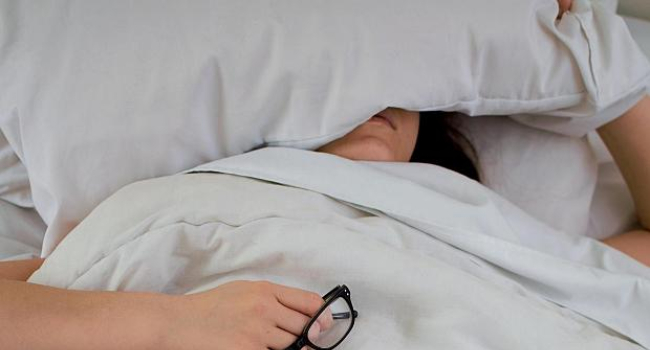
Sleep disturbances in adolescents and young adults are associated with early indicators of biological stress, researchers report. The results of their analysis were published in the journal Psychoneuroendocrinology.
The analysis drew on federal survey data from nearly 2,700 participants aged 16 to 24.
The study examined 13 biomarkers — indicators reflecting the body’s overall “wear and tear” (allostatic load), including blood pressure, cholesterol levels, white blood cell measures, and metabolic parameters, according to MedicalXpress.com. Young people with sleep disturbances — especially frequent snoring — showed significantly higher dysregulation of these indicators compared to those with healthy sleep patterns.
Snoring proved to be particularly significant: among young women with impaired immune and metabolic function, the likelihood of reporting snoring was five times higher than among those with less pronounced imbalance. Researchers note that snoring can be a symptom of sleep apnea — a condition marked by breathing pauses during sleep that cause frequent awakenings and add additional stress to the body.
The authors emphasize that while a causal link has not yet been established (that is, it cannot be said with certainty that sleep disturbances directly cause biomarker dysregulation), identifying the correlations is an important step in early risk detection. Conditions associated with these risks include depression, anxiety, hypertension, and other chronic disorders.
Early intervention is seen by researchers as a promising approach: since sleep disturbances are easier to correct than, for example, already-developed depression or anxiety disorders, focusing on improving sleep in adolescents and young adults may reduce the long-term risk of serious illness.
Если хотите, могу адаптировать текст под более новостной стиль для СМИ или сделать сокращённую версию для соцсетей.





