make preferable
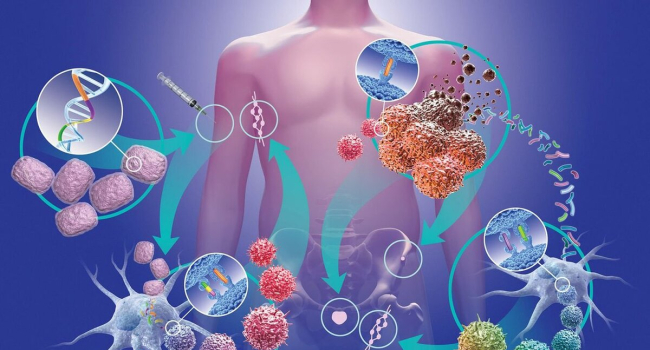
Scientists have tackled one of the most mysterious topics in medicine: how the immune system, whose mission is to protect us, can suddenly begin attacking the body’s own tissues. The results of their work were published in Nature Reviews Immunology.
In the laboratories of leading institutions such as the National Institutes of Health and Johns Hopkins University, researchers are using cutting-edge methods including laser microscopy, fluorescent markers, and mouse model generation. For example, in one experiment they observed T-cells (labeled in red) attacking pancreatic beta cells, while the “peacekeepers” — regulatory cells (labeled in yellow) — failed to intervene in time.
In another experiment, scientists discovered that neutrophils — a type of white blood cell — not only defend the body but can also relay signals to damaged tissues or tumor cells, thereby provoking autoimmune or oncological responses.
The researchers emphasize that these are not simple findings but a shift in understanding. They can now begin developing therapies that do not merely suppress immunity but recalibrate the body’s defense system. Although the work is mostly conducted on animal and cellular models, it could become the first step toward targeted treatment of autoimmune diseases and reducing side effects.