make preferable
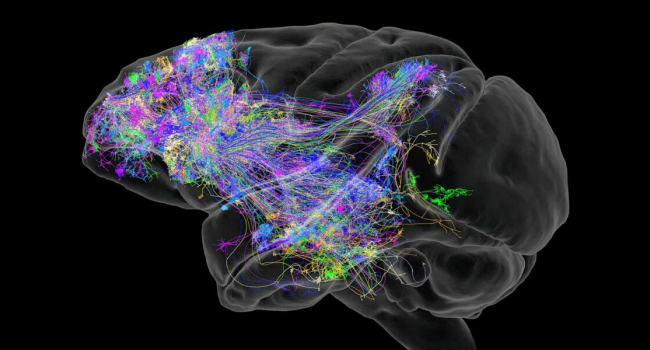
Researchers at the University of Helsinki have developed a method for identifying which RNA variants are used in individual cells in brain tissue. In the future, the technology could help detect abnormalities in genetic information processing associated with amyotrophic lateral sclerosis (ALS), frontotemporal dementia and Alzheimer's disease. The findings were published in the journal Nature Methods.
The same gene can serve as the basis for producing different RNA molecules. This process is called alternative splicing: the cell processes the initial RNA in different ways, producing variants known as isoforms. These, in turn, can lead to the production of different proteins.
Such changes do not always affect how the body functions. However, splicing errors can have serious consequences, particularly for the nervous system.
In some neurodegenerative diseases, the TDP-43 protein leaves its normal location within the cell and forms aggregates. As a result, it stops performing its functions, and certain RNA molecules begin to be processed incorrectly. Nerve cells lose proteins they need, which can impair their function.
According to University of Helsinki researcher Andrey Prjibelski, detecting such abnormalities directly in the brain is challenging. The new technique makes it possible to map RNA isoforms at a spatial resolution as fine as 500 nanometres—smaller than an individual cell. This allows researchers to study which RNA variants are present in specific cells and tissue regions.
To develop the technology, the scientists created new laboratory methods, algorithms, software and statistical tools. So far, the method has been tested on mouse brain samples. The study's main objective was to demonstrate that spatial mapping of isoforms is possible at the level of individual cells.
The next step is to apply the technology to human brain samples. This could help detect splicing abnormalities in particular cell types or brain regions, as well as improve understanding of processes in the healthy nervous system, including its development.
In the longer term, the findings could contribute to the development of drugs that correct splicing. A similar principle is already used to treat spinal muscular atrophy: nusinersen, a drug in use since 2016, alters RNA processing for the relevant gene. Drugs based on a similar mechanism are also undergoing clinical trials for the treatment of ALS and dementia.
However, the researchers stress that a considerable amount of time may pass between identifying abnormal RNA variants and developing new drugs.
The team's immediate plans include studying human data, primarily in the context of Alzheimer's disease. The scientists also intend to reanalyse previously published sequencing datasets, which may contain information that has not yet been fully utilised.