make preferable
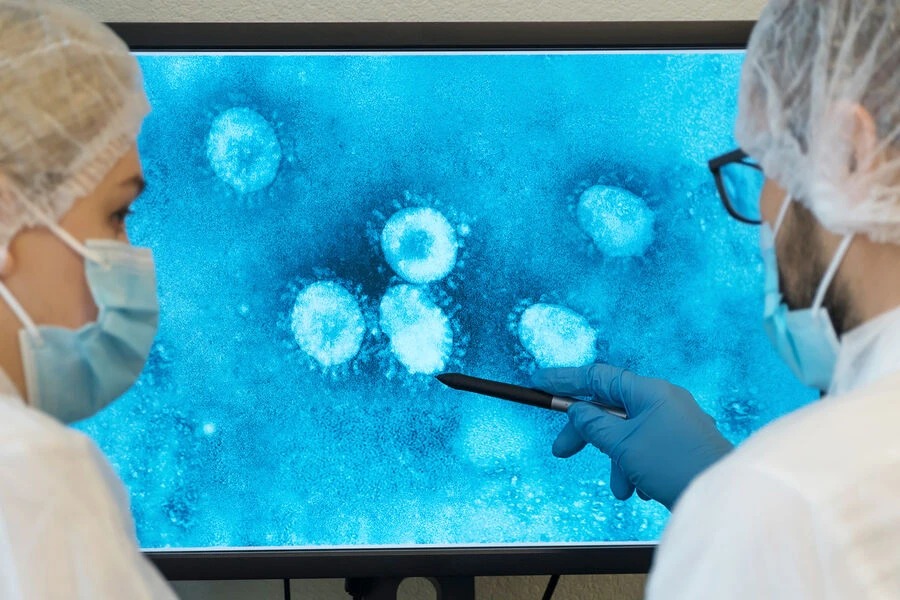
Biologists from the University of Miami and their colleagues have discovered a previously unknown group of viruses whose protein shells share features with tiny compartments inside bacteria and archaea. The finding suggested to the researchers that these structures may have repeatedly evolved from one another. The results were published in the journal Nature Communications.
The viral shell, or capsid, protects genetic material. Bacteria and archaea have similar protein compartments called encapsulins. Inside them, the cell houses enzymes that carry out chemical reactions. Both structures share the same overall protein fold: individual proteins fold in similar ways and form a hollow shell. However, the assembled shells serve different purposes.
The comparison helped the authors propose an explanation for how transitions between these forms may have occurred. At the heart of their hypothesis is the procapsid, an immature viral shell. Such intermediate structures may help explain how similar proteins came to perform different functions over time. According to the authors, evolutionary links between capsids and encapsulins may have arisen in both directions.
One earlier hypothesis proposed that cellular compartments evolved from viral shells. The new study offers a more complex picture and gives scientists an opportunity to test how protein shells acquired different roles over the course of evolution, from protecting genetic material to organizing chemical reactions.