make preferable
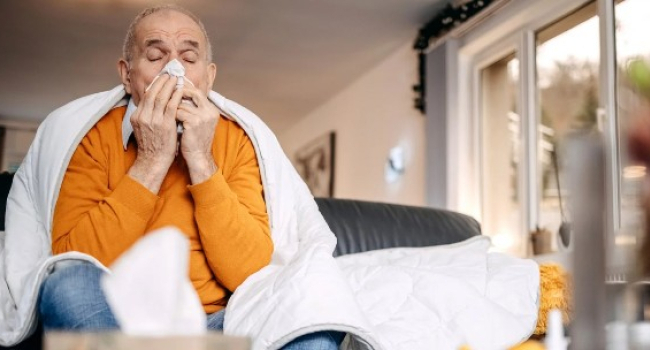
Half of the participants in a new study of people with long COVID reported symptoms suggestive of breathing pattern disorders more than four years after their initial infection. These symptoms were more common among younger people and women, as well as those who had not required hospitalization during the acute phase of the infection.
Breathing pattern disorders is an umbrella term for deviations from normal breathing, including excessively rapid or shallow breathing, which can cause breathlessness. They are associated with more severe and more numerous long COVID symptoms.
In the study, published in the journal Respiratory Research, researchers led by specialists at Karolinska University Hospital in Stockholm analyzed data from 288 people with long COVID.
Signs of possible breathing disorders were identified in 143 participants, or approximately half, four years after infection. These were indicated by elevated scores on the Nijmegen Questionnaire, a tool for self-assessing respiratory symptoms. A score of 23 or higher out of 64 was considered elevated. However, the authors emphasize that questionnaire results alone do not confirm a clinical diagnosis.
Even at the initial assessment, conducted between May 2020 and December 2022, participants who subsequently had elevated scores walked significantly shorter distances in six minutes, completed fewer repetitions in the one-minute sit-to-stand test, and demonstrated weaker inspiratory muscle contractions. Standard measures of lung function, however, were comparable between the two groups.
At the follow-up assessment in 2024, people who had not been hospitalized during the acute infection were approximately six times more likely to have an elevated questionnaire score. Younger age, pronounced breathlessness at the initial assessment, and a lower volume of air exhaled during the first second of a lung function test were also independent risk factors.
Among participants with elevated questionnaire scores, 38% reported a diagnosis of postural orthostatic tachycardia syndrome (POTS), in which the heart rate rises abnormally when moving from a lying or seated position to standing, without a substantial drop in blood pressure. Only 8% of participants in the group with lower scores reported this syndrome.
In addition, more severe breathlessness, symptoms of depression, and other manifestations of long COVID were more common among people with possible breathing disorders. Forty-four percent of participants with elevated questionnaire scores were on sick leave, compared with 14% in the other group.
The researchers note that only a portion of the original group took part in the follow-up assessment. Selection bias therefore cannot be ruled out: people with persistent symptoms may have been more likely to agree to participate, while patients with severe manifestations of the disease may, conversely, have failed to respond because of difficulties completing the questionnaire.
The authors conclude that the findings indicate a high prevalence of persistent respiratory complaints after COVID-19, but do not establish the presence of clinically confirmed breathing disorders in all participants with elevated scores.
Further investigation will require studies combining patients' subjective assessments with objective measurements of breathing patterns and lung function.