
 make preferable
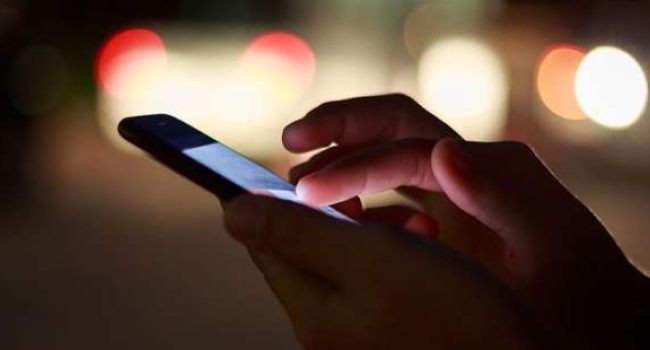
Researchers are increasingly examining how nighttime smartphone use affects mental health, particularly among people who experience suicidal thoughts. In a new study published in JAMA Network Open, scientists observed 79 adults who had recently reported such thoughts. Over a 28-day period, their smartphones automatically took screenshots every five seconds — more than 7.5 million images in total. This allowed researchers to determine exactly what participants were doing at night: actively typing or passively scrolling.
The team also conducted real-time ecological momentary assessments to track participants’ emotional states.
The analysis showed that the timing of nighttime phone use matters. People who actively used their phones between 11 p.m. and 1 a.m. tended to report stronger suicidal thoughts or some level of planning the following day. Surprisingly, however, active keyboard use — especially between 1 a.m. and 5 a.m. — was associated with a lower risk. This may suggest that active interaction (such as messaging) sometimes helps maintain a sense of connection, unlike passive scrolling, which may leave individuals alone with distressing feelings.
In addition, longer breaks from phone use — 7 to 9 hours, essentially a normal sleep duration — were linked to lower levels of suicidal thoughts compared to breaks lasting 4 to 7 hours.
Experts caution that the findings should be interpreted carefully: the sample size was small, the study was conducted at a single center, and people with depression often misjudge the amount of time they spend on their phones, which may affect data interpretation. Nevertheless, the researchers believe that the identified patterns could help develop more accurate prevention strategies that consider not just the fact of nighttime smartphone use, but the nature of that activity.





