
 make preferable
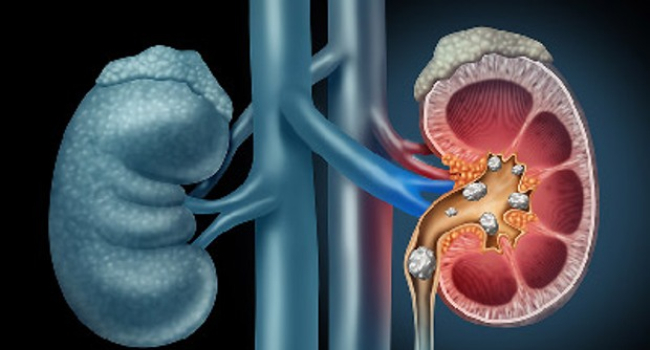
Researchers have found that the protein GLUT1 — one of the key glucose transporters in cells — may become a promising new target for treating kidney diseases.
In a study published in JCI Insight, a team led by Partha Biswas of Stony Brook University showed that in a model of a severe kidney disease — antibody-mediated glomerulonephritis — inflammatory immune cells (neutrophils) sharply increase the expression of GLUT1.
GLUT1 is involved in transporting glucose into cells and in glucose reabsorption in the kidney tubules, helping prevent glucose from being lost in urine. However, during kidney inflammation, this same mechanism appears to contribute to tissue damage. In their experiments, the researchers selectively disabled GLUT1 only in neutrophils — the immune system’s “combat” cells. As a result, the damaging activity of these cells dropped significantly, and both inflammation and tissue destruction slowed down.
According to the authors, this demonstrates that immune-cell metabolism is not a secondary detail but a crucial mechanism that could be leveraged for kidney-disease therapy. Switching off GLUT1 during early stages of glomerulonephritis substantially weakened disease progression.
If scientists can eventually find safe drugs or methods to modulate GLUT1, it could lead to a fundamentally new treatment strategy — not just suppressing inflammation, but metabolically “disarming” aggressive immune cells to protect the kidneys.





