
 make preferable
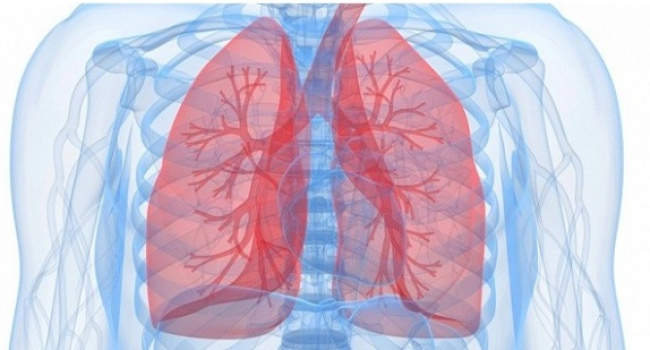
Scientists have found that key immune cells in the lungs, previously considered “peacekeepers,” can actually intensify allergic reactions, significantly worsening airway inflammation. These cells—alveolar macrophages—reside in the tiny air sacs of the lungs and under normal conditions help maintain lung health, support normal breathing, and prevent excessive immune responses.
A new study led by Professors Bart Lambrecht and Martin Guilliams from the VIB-UGent Center for Inflammation Research revealed that during allergic reactions these macrophages can radically change their behavior and switch to a pro-inflammatory mode.
The findings were published in the journal Immunity.
Instead of calming the immune system, the macrophages begin to activate it, promoting the escalation of inflammatory responses in the lungs.
Using an advanced mouse model, the researchers were able to track and manipulate these cells. They showed that upon exposure to allergens, alveolar macrophages start sending signals that recruit other immune cells into the lungs, thereby amplifying inflammation and worsening allergic symptoms. Remarkably, these macrophages can also fuse with one another to form giant cells, altering lung tissue structure during allergy.
The results challenge the long-held view of macrophages as stable and unchanging “guardians” of the lungs. The new data indicate that they are far more plastic and sensitive to their environment, capable of transforming from protectors into active drivers of inflammation under the influence of allergens.
This discovery has important implications for understanding allergic lung diseases such as asthma. Many current treatments target other immune cell types or chemical mediators of inflammation. Identifying alveolar macrophages as active participants in allergic processes opens new avenues for developing therapies that could block or reverse this harmful “switch,” reducing inflammation while preserving essential lung functions.





