
 make preferable
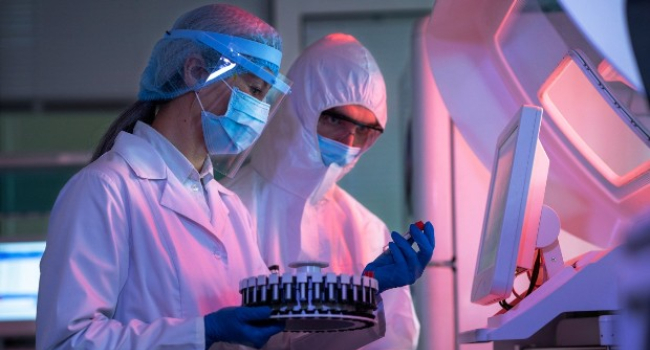
Scientists have used an advanced robotic system capable of synthesizing hundreds of metal-based compounds to develop a potential antibiotic—offering new hope in the fight against drug-resistant infections.
In a study published in Nature Communications, researchers synthesized more than 700 complex metal compounds in just one week. This rapid screening made it possible to identify a promising iridium-based antibiotic that kills bacteria while remaining non-toxic to human cells.
As bacterial resistance to existing drugs continues to grow, the world is facing a “silent pandemic.” More than one million people die each year from preventable, drug-resistant infections. Without new medicines, routine procedures such as joint replacements, chemotherapy, and organ transplants could become life-threatening due to the risk of untreatable infections.
In response to this crisis, a team led by Dr. Angelo Frei from the Department of Chemistry at the University of York turned to a relatively underexplored area of medicine—metal complexes. Unlike today’s “flat,” carbon-based antibiotics, metal complexes have a three-dimensional structure, allowing them to interact with bacteria in fundamentally different ways and overcome resistance mechanisms.
Using a robotic platform and a “click chemistry” approach that enables rapid assembly of molecular components, the researchers combined nearly 200 different ligands with five metals. The result was the synthesis of more than 700 new metal complexes in less than a week—a process that would have taken months if done manually.
After synthesis, all compounds were tested for antibacterial activity and toxicity to healthy human cells. Six potential lead compounds were identified, with one iridium complex attracting particular attention. It proved effective against bacteria, including strains similar to the deadly MRSA, while showing low toxicity to human cells.
The scientists hope this approach will encourage pharmaceutical companies and researchers to revisit metal complexes as a source of new antibiotics. The team is now studying exactly how the iridium compound kills bacteria and is expanding the robotic platform to test other metals.





