
 make preferable
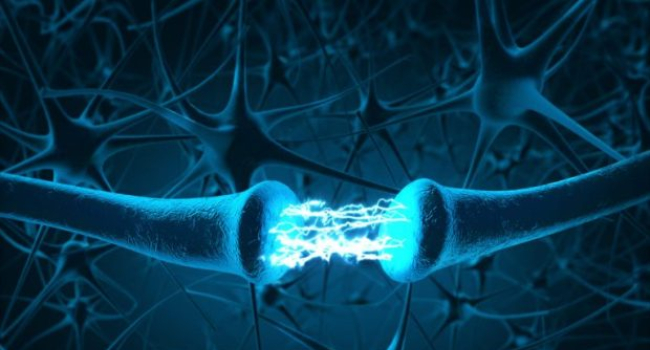
Scientists have discovered that the same areas of the brain are involved in recalling two different types of memory — personal experiences (episodic memory) and general knowledge about the world (semantic memory). This challenges the traditional view that these processes function completely separately. The findings, published in the journal Nature Human Behaviour, could change how we understand human memory and influence research into memory disorders.
In the classical definition, episodic memory allows a person to recall a specific event from their life — where and when it happened, and the emotions and details associated with that moment. Semantic memory, by contrast, is responsible for facts and knowledge that we perceive as general truths, such as object names, rules, or geographical information, and which are not tied to a specific personal experience. Scientists had expected the brain to use different neural networks for these two types of recall.
Researchers from the University of Nottingham and the University of Cambridge analyzed brain activity in participants who were asked to recall either personal events or factual information.
During the experiment, functional MRI was used to show which brain regions were active during each type of memory task. The results revealed that there was virtually no difference in brain activity between the two tasks — the same “memory core” was engaged in both cases.
These findings are surprising, as scientific literature has long suggested that episodic and semantic memory are separate brain systems. The authors note that the lack of clear differences in activation indicates that the brain processes memory in a broad, integrated way rather than through completely distinct mechanisms.
This discovery could help scientists better understand conditions such as dementia and Alzheimer’s disease, in which both types of memory are affected, and point to new directions for developing treatments and support for people with memory impairments.





