
 make preferable
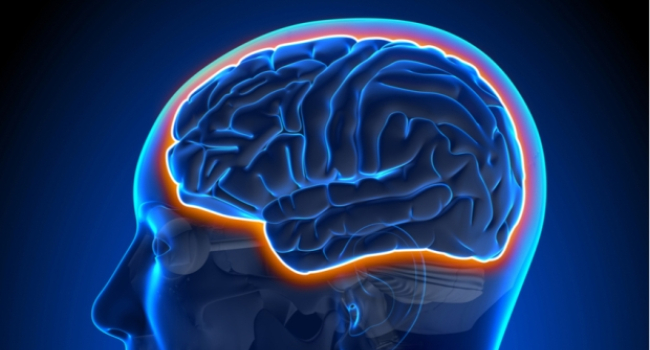
Scientists have identified a previously unknown cellular barrier in the brain, shedding new light on how the brain is protected from the rest of the body and how the immune system may influence its function.
The findings, reported by researchers from the Flanders Institute for Biotechnology and Ghent University, were published in the journal Nature Neuroscience.
The brain is protected from external threats by a system of barriers that maintain a stable, tightly regulated environment and prevent harmful substances and pathogens from entering. The best-known of these defenses is the blood–brain barrier, but another key interface is the choroid plexus — a small structure located within the brain’s fluid-filled spaces that produces cerebrospinal fluid.
Scientists discovered a unique population of cells at the base of the choroid plexus, which they named basal barrier cells. These cells are connected by tight junctions — molecular “rivets” — forming a dense, sealed structure. This formation provides functional compartmentalization between the choroid plexus, the brain, and the cerebrospinal fluid.
As Professor Roosmarijn Vandenbroucke explained, the discovery demonstrates how both vulnerable and well protected the brain is, while opening new perspectives for targeted interventions in brain diseases.
Researchers also found that this barrier is not static. Under normal conditions, it effectively restricts the movement of even small molecules from the choroid plexus into the surrounding cerebrospinal fluid and brain tissue. However, during systemic inflammation — for example, caused by severe infection — the barrier may weaken, potentially allowing harmful substances and cells to enter the central nervous system.
Basal barrier cells form early in development and persist throughout life. Scientists confirmed that these cells are present in both mice and humans, making the findings particularly important for understanding human health and disease.





