
 make preferable
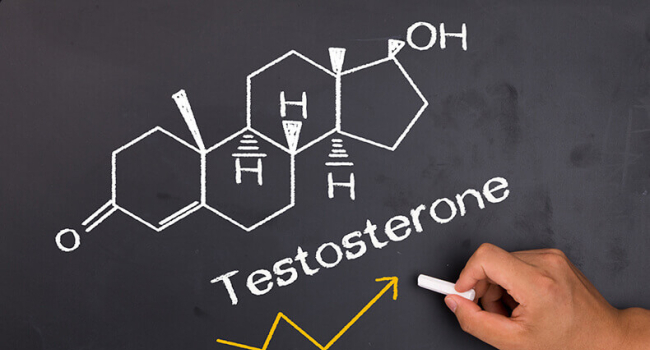
Scientists have long assumed that androgens — male sex hormones such as testosterone — may promote tumor growth because they can suppress immune responses in certain cancers. However, a new study from the laboratory of Justin Lathia at the Cleveland Clinic offers a different perspective: testosterone may actually slow the growth of glioblastoma in men.
The study, published in Nature, shows that blocking testosterone, on the contrary, accelerates tumor growth.
These findings align with clinical observations in male glioblastoma patients. Beyond challenging existing views on testosterone in oncology, the results highlight that the location of a tumor plays a crucial role in how hormones influence cancer development.
Glioblastoma is known to occur more frequently in men and tends to be more aggressive in male patients. Possible explanations include the influence of sex chromosomes and sex hormones such as estrogen and testosterone.
The research team, led by Yujuen Lee, DVM, PhD, began with a key question: do male hormones help the body fight brain tumors, or do they interfere with this process?
According to Lee, previous studies on other cancers — including lung cancer, bladder cancer, and melanoma — have typically viewed testosterone as a factor that suppresses immunity and accelerates tumor growth. However, glioblastoma produced the opposite result.
In preclinical models, researchers found that reducing or blocking testosterone triggered a chain reaction: stress hormone levels increased, immune cell activity was suppressed, inflammation in the brain intensified, and conditions favorable for rapid tumor growth emerged.
Scientists link this process to microglia — the brain’s immune cells. Under normal conditions, testosterone helps regulate their activity. When testosterone levels fall, microglia initiate inflammatory processes that activate the hypothalamic-pituitary-adrenal axis and trigger a systemic stress response that weakens the immune system.
Researchers note that unlike other cancers, where androgen blockade may strengthen immune responses, glioblastoma appears to respond in the opposite way. This underscores that the effects of hormones depend not only on the type of cancer, but also on its location and its interaction with the nervous system.
Additional findings showed that men with glioblastoma experience an age-related decline in T cells — key components of anti-tumor immunity — which may also be linked to hormonal changes.
Analysis of cancer registry data further showed that male glioblastoma patients who received testosterone therapy alongside standard chemotherapy lived longer on average.





