
 make preferable
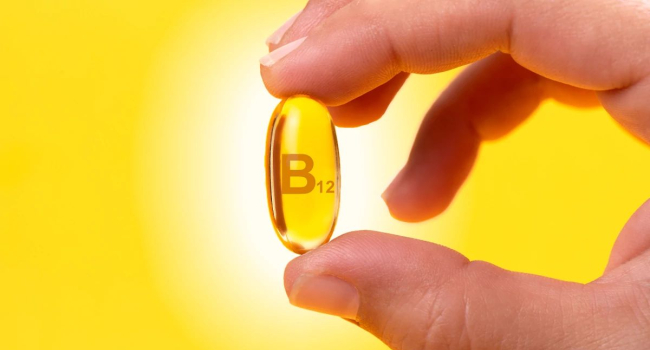
Vitamin B12 is widely known as an essential nutrient that supports red blood cell production, nervous system function, and DNA repair. Found naturally in meat, fish, eggs, dairy products, and fortified foods, it plays a crucial role in maintaining overall health. However, researchers say the relationship between vitamin B12 and cancer may be more complicated than previously thought.
A lack of vitamin B12 can seriously affect the body. Low levels may interfere with proper DNA replication, potentially leading to mutations that over time could increase the risk of diseases such as colon cancer. Because of this, doctors consider B12 deficiency an important health concern, especially among vegans, older adults, and people with digestive disorders that impair nutrient absorption.
At the same time, scientists have begun investigating whether very high levels of vitamin B12 — either from supplements or elevated blood concentrations — could also be associated with cancer risk.
A 2025 study conducted in Vietnam described a “U-shaped” relationship between vitamin B12 intake and cancer risk. Researchers found that both insufficient and excessive intake were linked to higher cancer risk. Although the study could not prove that B12 directly causes cancer, it suggested that maintaining balanced levels may be important.
Researchers explain that vitamin B12 supports cell growth in general, not just the growth of healthy cells. In theory, if precancerous cells already exist in the body, unusually high levels of growth-supporting nutrients could potentially help those abnormal cells grow as well. However, scientists stress that this has not been conclusively proven in humans.
Long-term studies of high-dose B vitamin supplements have not demonstrated clear protection against cancer overall. Some research has even suggested a possible association between prolonged high-dose B6 and B12 supplementation and an increased risk of lung cancer, particularly among smokers and men, though no direct cause-and-effect relationship has been established.
Doctors have also observed that many cancer patients have unusually high levels of vitamin B12 in their blood. More recent studies suggest that elevated B12 is often not the cause of cancer, but rather a consequence of the disease itself.
Scientists believe this may happen because tumors can affect the liver — the body’s main storage site for vitamin B12 — causing the vitamin to be released into the bloodstream. Some cancers may also increase proteins that bind to B12, artificially raising blood test results.
Researchers are now exploring whether elevated B12 levels could serve as a warning sign for undiagnosed cancer or disease progression. A large study published in 2026 found that colon cancer patients with very high B12 levels had significantly shorter survival times compared to patients with normal levels.
Experts emphasize that most people do not need to worry about obtaining too much vitamin B12 through food alone, since excess intake from a regular diet is uncommon. The main concern involves long-term use of high-dose supplements without medical supervision or unexplained persistently elevated B12 levels in blood tests.
Specialists say cancer prevention cannot rely on any single vitamin. Instead, overall lifestyle habits remain far more important, including balanced nutrition, regular exercise, avoiding smoking, protecting the skin from excessive sun exposure, and undergoing routine medical screenings.
According to researchers, the goal with vitamin B12 is not to consume as much as possible, but to maintain healthy and appropriate levels.





