
 make preferable
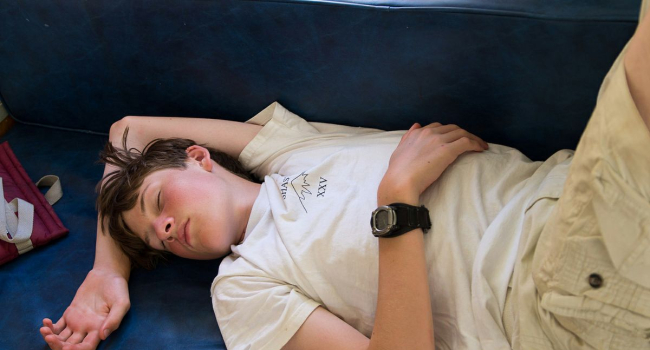
A new study from the University of Minnesota School of Public Health suggests that American teenagers are getting less sleep than previous generations, with screen time and social media increasingly contributing to the problem.
The findings, published in the Pediatrics journal, revealed a steady decline in sleep across all adolescent age groups. Researchers found that only 22% of older teens reported sleeping at least seven hours per night — the lowest level recorded so far.
Lead author Rachel Widome explained that while some causes of sleep deprivation among teenagers have existed for decades — including homework, extracurricular activities, social pressures, and part-time jobs — newer challenges have emerged in recent years.
According to the researchers, constant exposure to screens, heavy social media use, and broader societal stressors such as the COVID-19 pandemic, social unrest, and aggressive policing practices may now be worsening sleep problems among adolescents.
The study also highlighted widening disparities between groups. Black and Latino teenagers, as well as adolescents from families with lower parental education levels, were increasingly less likely to get sufficient sleep compared with their peers.
Researchers noted that sleep duration tends to decline steadily with age during adolescence, with older teenagers experiencing the most significant drop in both sleep time and feelings of adequate rest.
For the analysis, scientists used data from Monitoring the Future, a long-running national survey involving more than 400,000 US students in grades 8, 10, and 12 between 1991 and 2023. Participants answered questions about how often they slept at least seven hours per night and whether they felt they were getting enough rest.
Experts warn that insufficient sleep can contribute not only to daily fatigue and reduced functioning, but also to longer-term problems such as mental health disorders, poor academic performance, and chronic diseases later in life.
Researchers believe that the issue may extend beyond screen time alone, pointing instead to deeper problems such as burnout, anxiety, and social isolation. Separate student-led research in California found that about two-thirds of teenagers reported symptoms of burnout and anxiety linked to academic pressure.
Some students said they only had enough time to meet basic needs — including sleep, meals, and hygiene — on two days per week or less.
Mental health advocates say schools should focus on giving students more time to rest, manage stress, and practice coping strategies before crises develop.
Previous studies have also shown that teenagers who go to bed earlier and sleep longer tend to perform better on cognitive tests and demonstrate stronger mental skills.
Although researchers say there is no single national solution, they suggest structural changes could help improve adolescent sleep. One proposed measure is delaying high school start times until 8:30 a.m. or later to better match teenagers’ natural biological sleep rhythms.
The authors conclude that widespread sleep deprivation among adolescents is preventable and that societies should place greater value on healthy sleep habits and supportive policies.





