make preferable
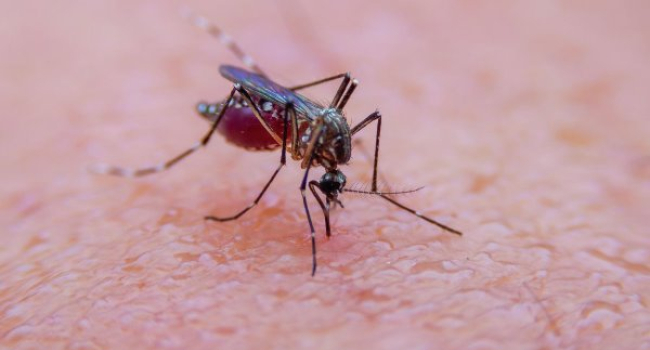
A large-scale study published in The Conversation has revealed a direct and measurable link between the expansion of illegal gold mining in the Amazon and a sharp increase in malaria cases among Indigenous communities in the region, particularly within the territory of the Yanomami people.
Researchers analyzed data on deforestation, illegal mining activity, and public health records from recent years. They concluded that even small increases in gold mining activity can lead to a significant rise in malaria incidence after a delay of approximately one to two years.
According to the authors, even fractional growth in mining operations may be accompanied by increases in malaria cases by dozens of percent, while some areas experienced multiple-fold rises in infection rates over several years.
The main mechanism behind this trend is that illegal gold mining drastically alters the ecosystem. Deforestation and excavation create stagnant pools of water and open pits that become ideal breeding sites for malaria-carrying mosquitoes.
Another contributing factor is the movement of miners themselves, who may introduce infections into previously relatively isolated communities.
Researchers emphasize that the issue extends beyond medicine alone. They describe it as an environmental, social, and political crisis, since illegal gold mining is closely associated with weakened territorial control and growing pressure on Indigenous peoples.
The authors note that understanding this connection is important both for developing more effective public health protection strategies and for strengthening efforts to combat illegal resource extraction in the Amazon.