
 make preferable
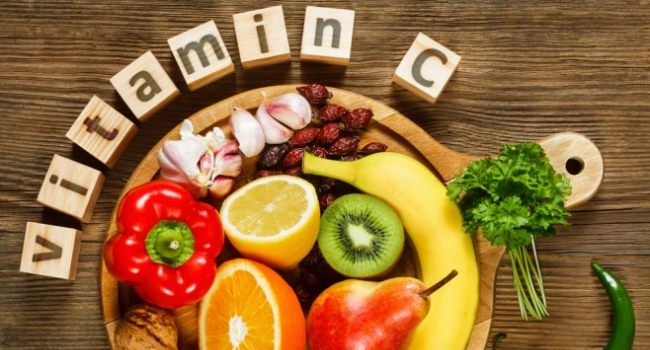
Adequate vitamin C intake may play an important role in maintaining brain health in older age, according to a study published in the journal PLOS ONE.
Researchers in Japan analyzed data from more than 2,000 adults aged 64 and older, comparing participants’ blood plasma vitamin C levels with findings from brain MRI scans.
The scientists identified a consistent association: individuals with lower concentrations of vitamin C were more likely to have reduced gray matter volume, a key brain tissue involved in information processing, memory, and other cognitive functions.
In addition, these participants showed weaker connectivity within the brain’s default mode network, a large-scale neural system associated with self-reflection, attention, and autobiographical memory.
Importantly, the relationship between vitamin C levels and brain structure remained significant even after adjusting for age, physical activity, education, and other potential influencing factors.
The researchers emphasize that the findings do not establish a cause-and-effect relationship. Rather, they demonstrate a statistical association between vitamin C status and markers of brain health. Nevertheless, the results suggest that maintaining adequate vitamin C levels may support healthy brain aging.
The study included more than 2,000 participants, making it one of the largest observational analyses conducted in this field to date.
According to Tomohiro Shintaku, one of the study’s authors from the Hirosaki University Graduate School of Medicine, a particularly noteworthy aspect of the research was the identification of a link between a single nutrient and large-scale neural networks in the brain.
The authors note that larger and more diverse studies will be needed to confirm the findings. However, the research highlights the potential importance of everyday dietary choices in preserving cognitive health and brain function later in life.
The study adds to growing evidence suggesting that nutrition may influence not only physical health but also the biological processes involved in healthy cognitive aging.





