
 make preferable
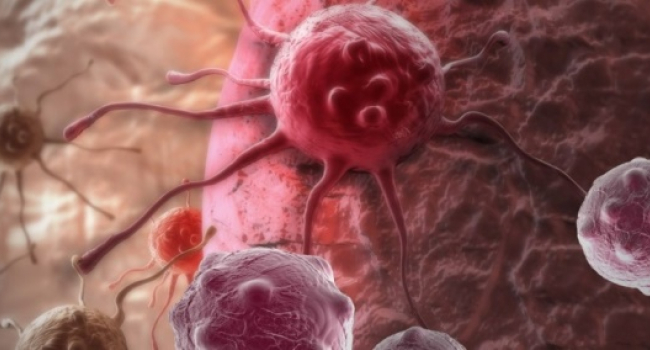
Scientists at the Federal University of São Paulo have identified a cell-surface molecule that could become a promising therapeutic target for cancer treatment and the prevention of metastasis.
The study, published in the journal Cytotechnology, highlights the crucial role of the receptor syndecan-4 (SDC4) in regulating tumor cell behavior. When SDC4 is overexpressed, cancer cells acquire a form of molecular protection that enhances their survival and promotes rapid growth.
Under normal conditions, cells must remain attached to surrounding tissues and the extracellular matrix. If a healthy cell loses this attachment, it activates a self-destruction process known as anoikis—a form of programmed cell death triggered by detachment. Cancer cells, however, can bypass this safeguard, allowing them to survive in the bloodstream and eventually form metastatic tumors.
In laboratory experiments, the researchers suppressed the gene responsible for producing SDC4 and observed the opposite effect. Tumor cells lost many of their aggressive characteristics and once again became vulnerable to programmed cell death.
According to study leader Carla Cristina Lopes, blocking SDC4 may represent an important strategy for preventing cancer spread.
The team also found that SDC4 influences the cell cycle by regulating key molecules involved in cell division, including p27, cyclins, and CDK complexes. When SDC4 activity was reduced, cellular growth controls became more effective, limiting the cells’ ability to proliferate uncontrollably.
Importantly, disabling SDC4 deprived cancer cells of their ability to survive without attachment to surrounding tissue, significantly reducing their aggressiveness and invasive potential.
The researchers are currently investigating whether cannabidiol (CBD) can affect SDC4 activity or related signaling pathways. However, they emphasize that this line of research remains at an early stage, and no therapeutic conclusions can yet be drawn.
The findings suggest that targeting SDC4 could eventually offer a new approach to weakening tumors’ natural defenses, making cancer cells more susceptible to destruction and less capable of spreading throughout the body.





