
 make preferable
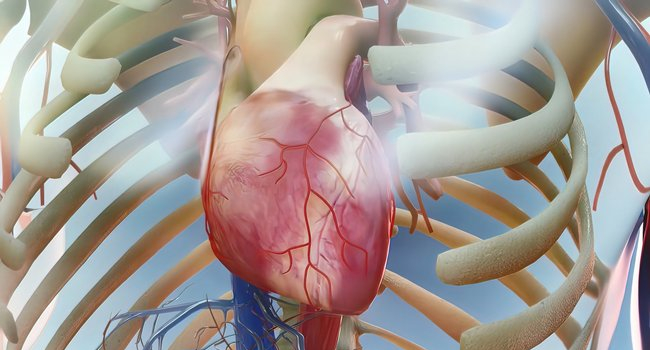
A new Phase III clinical trial has shown that aficamten significantly improves exercise capacity in patients with symptomatic obstructive hypertrophic cardiomyopathy (oHCM), outperforming the long-standing standard treatment metoprolol across multiple measures of physical performance. The findings from the MAPLE-HCM trial were published in JAMA Cardiology.
Hypertrophic cardiomyopathy is the most common inherited heart disease, affecting an estimated one in every 250 people worldwide. The condition is characterized by abnormal thickening of the heart muscle, which can obstruct blood flow and reduce the heart's ability to pump efficiently during physical activity, leading to symptoms such as shortness of breath, chest pain, and exercise intolerance.
For more than 50 years, beta-blockers, including metoprolol, have been the recommended first-line treatment for obstructive hypertrophic cardiomyopathy. The new study suggests that aficamten, a cardiac myosin inhibitor, may offer a more effective alternative.
The randomized trial enrolled 175 patients with symptomatic oHCM and reduced exercise capacity. Participants received either aficamten (5–20 mg daily) or metoprolol (50–200 mg daily) for 24 weeks.
Compared with metoprolol, aficamten produced significant improvements in several key indicators of exercise performance. Patients receiving aficamten demonstrated better ventilatory efficiency, greater oxygen uptake at the anaerobic threshold, higher peak oxygen consumption, increased maximum workload, and longer exercise duration. In contrast, patients treated with metoprolol experienced declines across these peak exercise measures.
The benefits of aficamten also extended to recovery after exercise. Patients taking the drug recovered more quickly, with oxygen consumption returning toward baseline approximately 11 seconds faster than in the metoprolol group.
According to the investigators, aficamten consistently outperformed metoprolol throughout all stages of exercise testing, supporting its potential use as a first-line single-agent therapy for improving physical function in patients with obstructive hypertrophic cardiomyopathy.
The findings come as awareness of hypertrophic cardiomyopathy continues to grow, partly due to public figures such as NBA player Jared Butler, who has spoken publicly about being diagnosed with the inherited heart condition during routine screening.
Researchers believe that replacing conventional beta-blockers with targeted myosin inhibitors such as aficamten could represent a major advance in treatment, helping patients improve exercise tolerance, daily functioning, and overall quality of life.





