
 make preferable
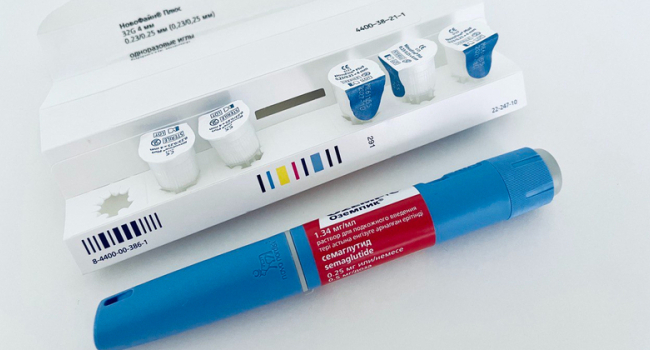
New research suggests that semaglutide and other GLP-1 receptor agonists—including Ozempic and Wegovy—may reduce the risk of serious complications in people with type 2 diabetes and peripheral artery disease (PAD). The findings were published in the Journal of the American Heart Association.
PAD is a condition in which arteries become narrowed due to the buildup of fatty deposits, reducing blood flow to the limbs, most commonly the legs. It can cause pain while walking, slow-healing wounds, and, in severe cases, critical limb ischemia, a condition in which severely impaired blood flow can lead to tissue damage and the need for amputation.
People with type 2 diabetes are significantly more likely to develop PAD than the general population. The combination of these conditions greatly increases the risk of cardiovascular complications, limb amputations, and premature death.
Standard treatment for PAD includes lifestyle modification and medications aimed at improving blood circulation and reducing the risk of complications.
The researchers analyzed data from the TriNetX electronic health records network, comparing 2,133 patients treated with GLP-1 receptor agonists with an equal number of patients receiving metformin alone.
Compared with the metformin group, patients treated with GLP-1 medications experienced:
-
a 26% lower risk of all-cause mortality;
-
a 13% reduction in hospitalizations;
-
up to a 48% lower risk of amputation;
-
approximately a 36% lower likelihood of undergoing lower-limb revascularization procedures.
The greatest benefits were observed in patients with the most severe form of PAD—critical limb ischemia—as well as in individuals with obesity.
The researchers believe these effects may be explained by the fact that GLP-1 receptor agonists not only improve blood glucose control and promote weight loss but may also reduce inflammation, improve vascular function, and enhance blood flow.
The authors emphasized that the study was observational and therefore cannot establish a cause-and-effect relationship. Randomized clinical trials will be needed to confirm the findings.
Nevertheless, the results suggest that GLP-1 receptor agonists may offer important protective benefits for the blood vessels and lower limbs of patients at high cardiovascular risk.





