
 make preferable
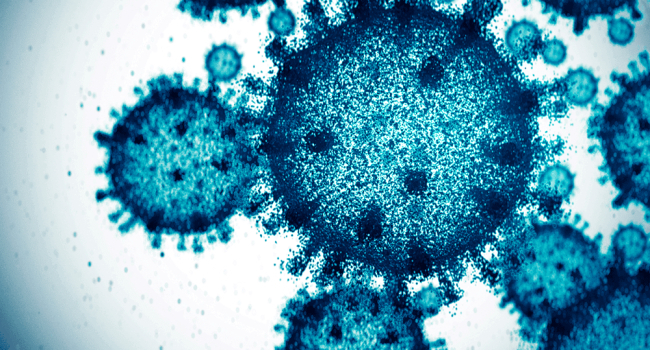
Scientists at the University of Cambridge have announced two interconnected studies dedicated to coronavirus immunity and the long-term effects of COVID-19 vaccination.
Study 1: Protection Against Animal Coronaviruses
The first study, published in the journal npj Vaccines, shows that booster doses of COVID-19 vaccines do more than just strengthen protection against current SARS-CoV-2 variants. They may also partially enhance immune defense against certain potential animal-borne coronaviruses that could spill over to humans in the future.
- The Sample: The study was conducted using blood samples from elderly UK residents who had received four doses of the vaccine, including the updated bivalent booster targeting both the original strain and the Omicron variant.
- The Test: Scientists tested the antibodies' ability to neutralize different variants of the virus, as well as related coronaviruses found in bats and pangolins, which are considered potential pandemic threats.
- The Findings: The results showed an expected decrease in antibody effectiveness against newer Omicron subvariants and weak protection against the more distant SARS-CoV-1 virus. However, unexpectedly, the antibodies neutralized certain animal coronaviruses closely related to SARS-CoV-2 even better than they did the original Wuhan strain.
Significance: According to the scientists, this could be crucial for developing next-generation vaccines that target common regions of the coronavirus "spike protein," potentially offering protection against a much wider range of viruses.
Study 2: The Phenomenon of "Immune Imprinting"
In the second study, published in the journal iScience, researchers described a phenomenon known as "immune imprinting." This refers to how the body's very first encounter with a virus—whether through infection or vaccination—leaves a lasting "immune footprint" that shapes how the immune system responds to new variants in the future.
- The Evidence: An analysis of blood samples from Nigeria showed that even after the emergence of new strains, many people's immune responses were still primarily directed toward earlier variants of the virus.
- The Reality: This means the immune system does not completely "reset" or refresh; instead, it continues to rely heavily on its initial experience.
- The Impact: Researchers believe this explaining why new variants continue to spread even in populations with high levels of prior vaccination and infection.
Looking Ahead
While the scientists emphasize that vaccines remain a critical tool by significantly reducing disease severity, future pandemic readiness will require new strategies. Next-generation approaches must account for the diverse immune histories of different populations to trigger a more universal, broad-spectrum immune response.





