
 make preferable
An international research team has identified a new blood-based biomarker that may help detect lung cancer at early stages and predict the risk of disease recurrence after treatment. The findings were published in the Journal of Extracellular Vesicles.
Researchers from Korea University have shown that the protein GCC2 (GRIP and coiled-coil domain-containing protein 2), found inside small extracellular vesicles circulating in the bloodstream, may serve as a diagnostic and prognostic marker for early-stage lung adenocarcinoma.
Lung cancer remains one of the leading causes of cancer-related deaths worldwide. Early diagnosis significantly improves treatment outcomes, but the disease often produces few or no symptoms in its initial stages. Traditional diagnostic approaches, including imaging and tissue biopsies, have limitations when it comes to detecting early tumors and predicting disease progression.
To address this challenge, the researchers focused on small extracellular vesicles (sEVs)—microscopic particles released by cells that carry molecular information reflecting the condition of tissues throughout the body. Because of this, sEVs are considered a promising source of biomarkers for liquid biopsy, a diagnostic approach based on blood analysis.
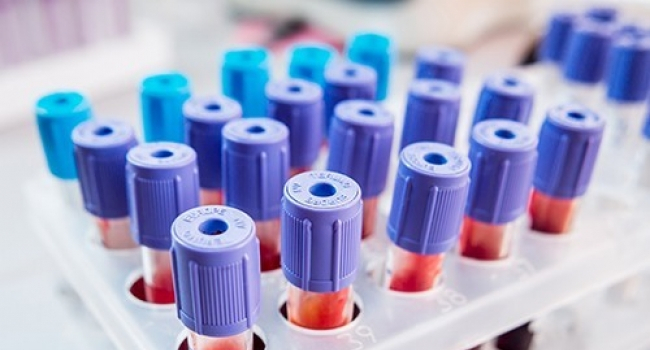
As part of a multicenter study involving five hospitals in South Korea, scientists analyzed blood plasma samples from 470 individuals: 150 healthy participants and 320 patients with lung adenocarcinoma.
The analysis revealed that levels of sEV-GCC2 were significantly higher in patients with lung cancer compared with healthy individuals. The biomarker demonstrated strong diagnostic performance, distinguishing cancer patients from healthy participants with an area under the curve (AUC) value of 0.904, indicating substantial potential for early detection.
Beyond its diagnostic value, sEV-GCC2 was also associated with disease prognosis. Patients with elevated levels of the biomarker before surgery were more likely to experience tumor recurrence. This suggests that the test could eventually help physicians estimate relapse risk and develop more personalized treatment strategies.
Additional experiments using cellular and animal models indicated that GCC2 may play an active role not only in cancer detection but also in tumor development. The protein was associated with cancer cell proliferation, tumor growth, and the spread of disease to lymph nodes.
The findings suggest that GCC2 could become not only a diagnostic biomarker but also a potential target for developing new therapies against aggressive forms of lung cancer.
According to Professor Hyun Ku Kim of Korea University, this discovery may help doctors assess cancer risk, optimize treatment planning before and after surgery, and pave the way for targeted therapies aimed specifically at GCC2.





