
 make preferable
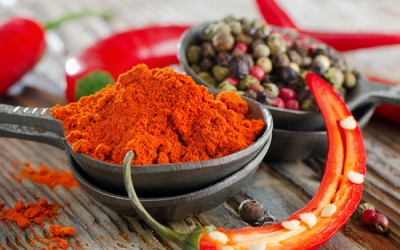
The next time your mouth is on fire after eating a spicy dish, just remember all the good it’s doing your body. Depending on your culture or how sensitive your taste buds are, hot peppers or hot sauce may have been a recurring ingredient in most meals growing up. For those of you who make it a point to avoid anything spicy in your diet, you could be missing out on a versatile health remedy known as capsaicin. By now you’ve realized that a little spice can help relieve your sinus congestion (and make everything nice), but what are some of the other healthy benefits of spicy food?
“I have not seen any negative research on spices,” Joey Gochnour, registered dietitian nutritionist and certified personal trainer, told Medical Daily. “If you like them, I encourage clients to add them to foods and when cooking because they can add flavor to otherwise bland healthy food. The way you enjoy healthier foods is by spicing them up. It can be fun to experiment. Most spices and herbs have negligible calories, especially in amounts used.”
Weight Loss
You’ve tried every other weight loss supplement. Now try capsaicin. A recent study presented at the Biophysical Society’s Annual Meeting suggests consuming chili peppers can aid in weight loss by way of thermogenics, the process of creating heat from burning fat. After adding capsaicin to the high-fat diet of mice, researchers from the University of Wyoming found that capsaicin prevented weight gain by turning on thermogenesis in the body.
By triggering thermogenesis, capsaicin effectively turns bad, unhealthy fat into fat-burning brown fat. Brown fat naturally converts white fat into more brown fat while a person exercises. Capsaicin could serve as a natural edible ingredient that can mimic the fat-burning effect of exercise. Mice from the study did not gain weight even with an unhealthy diet high in fat. One thing’s for certain, adding a little spice to your meal won’t hurt.
Heart Disease
Adding a little spice to your meal can even protect the ole ticker. Another study presented at the 243rd National Meeting and Exposition of the American Chemical Society (ACS) found that chili peppers could protect against the No. 1 cause of death in the U.S. Researchers fed hamsters a diet high in cholesterol with either supplements with various amounts of capsaicin or no capsaicin at all. In spite of a high cholesterol diet, feeding hamsters capsaicin effectively reduced “bad” cholesterol while having no effect on “good” cholesterol. Capsaicin supplementation also seemed to reduce the size of heart attack or stroke-causing deposits already formed in blood vessels.
Cancer
According to the American Cancer Society, evidence has shown that capsaicin in oral and topical forms can help manage pain caused by surgery and mouth sores due to chemotherapy and radiation therapy. Capsaicin in its topical form is currently approved by the Food and Drug Administration to treat pain caused by conditions, such as arthritis and general muscle soreness. It is the most-studied active ingredient in the Capsicum herb plant. Some research has shown that antioxidant properties found in capsaicin can help fight the cancer-causing agent carcinogen nitrosamine.





