
 make preferable
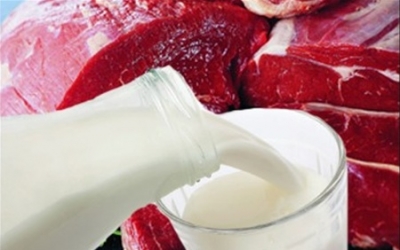
When it comes to the levels of omega-3 in milk and meat, organic products might be the best choice, according to new research.
Organic foods are defined as those that are grown or produced in the most natural way, without the use of chemical fertilizers and pesticides, and with the use of animal-friendly farming techniques.
In order for livestock to be classified as organic, for example, the animals must have outdoor access and be given organic feed. The use of growth hormones, animal by-products or antibiotics should be avoided.
While the benefits of organic farming for the environment and animal welfare are clear, less is known about the health benefits of consuming organic foods.
With this in mind, study leader Prof. Carlo Leifert, of Newcastle University in the UK, and colleagues conducted two studies in which they reviewed more than 260 global papers on the nutritional content of milk and meat, with the aim of identifying any differences in the nutritional quality of organic and non-organic products.
The researchers publish the results of both of their studies in theBritish Journal of Nutrition.
The team assessed 196 studies on milk and 67 studies on meat.
Compared with non-organic milk and meat products, the researchers found that the organic alternatives contained an average of 50% more omega-3 fatty acids.
Omega-3 fatty acids are believed to provide a number of health benefits, including reduced risk of heart disease and lower cholesterol.
Additionally, the team found that organic meat was lower in two saturated fats that promote poor heart health: myristic and palmitic acid.
Based on these findings, Prof. Leifert and colleagues suggest that switching to organic milk and meat may offer significant health benefits, noting that half a liter of organic full-fat milk would provide around 16% (39 mg) of the recommended dietary intake of long-chain omega-3 fatty acids, while the same measure of non-organic milk would provide 11% (25 mg).
"Several of these differences stem from organic livestock production and are brought about by differences in production intensity," says Prof. Leifert, "with outdoor-reared, grass-fed animals producing milk and meat that is consistently higher in desirable fatty acids such as the omega-3s, and lower in fatty acids that can promote heart disease and other chronic diseases."
Additionally, the team found that organic milk contains slightly higher levels of iron, Vitamin E and some carotenoids - naturally occurring pigments synthesized by plants.
However, there may also be an important health benefit to consuming non-organic milk; the researchers found that it contains around 74% more iodine than organic milk.
Iodine is an important nutrient for the human body, helping the cells to convert food into energy. We also need it for production of thyroid hormones and thyroid functioning.
The World Health Organization (WHO) recommend that teenagers and adults get an intake of around 150 mcg daily, while pregnant women should aim to get around 250 mcg daily. In order to help meet such recommendations, the US, China, Brazil and some European countries fortify salt with iodine.
But according to the researchers, this means that people in such countries who have high dairy intake may be at greater risk of excess iodine intake, which can lead to thyrotoxicosis - an overactive thyroid.
Their study results suggest that half a liter of non-organic milk would provide around 88% of the daily recommended intake of iodine, while half a liter of organic milk would provide around 53%.





