


- Latest news▼
-
21:36, October 24 From Cancer to Alzheimer's Disease: Scientists Call for a Major International Human Microbiome Research Initiative

-
18:14, October 24 How Ultra-Processed Foods Affect Children's Brains: Study Links Brain Activity to Weight Gain

-
15:39, October 24 Scientists Create Immune Cell Atlas That Could Help Assess Cancer Risk and Premature Death

-
13:42, October 24 New mRNA Vaccine Reduces Risk of Melanoma Recurrence After Surgery by 42%
-
08:37, October 24 Mice Help Scientists Uncover the Cause of a Rare Disease

-
22:53, October 23 Scientists Use ChatGPT-Like Technology to Assess Stroke Risk From Human DNA

-
20:56, October 23 Nubar Afeyan’s Company Tests Skin Cancer Vaccine: Risk of Recurrence Falls by 42%

-
18:49, October 23 bioRxiv: Cholesterol May Interfere with the Brain’s Ability to Clear Toxic Proteins
-
16:56, October 23 PLOS One: A Short Strength-Training Routine Improved Balance and Strength in Adults Over 65

-
14:50, October 23 A Simple 15-Minute Procedure Helped Patients with Carpal Tunnel Syndrome Avoid Surgery

-
12:53, October 23 Scientists Rejuvenate Cells by More Than 60 Years for the First Time

-
10:47, October 23 WHO Comments on First Documented Human Death Linked to Shamonda Virus

-
08:24, October 23 A Single Tooth Can Reveal Six Types of Information About a Person, Including Their Health
-
20:34, October 22 Medical Xpress: Hypnosis and Psychotherapy May Help Relieve Chronic Abdominal Pain in Children

-
18:51, October 22 Nature: Cold Triggers Muscles to Produce Protective Metabolite BH2

All materials
Why Do Ears Pop During a Flight—and How to Fix It?
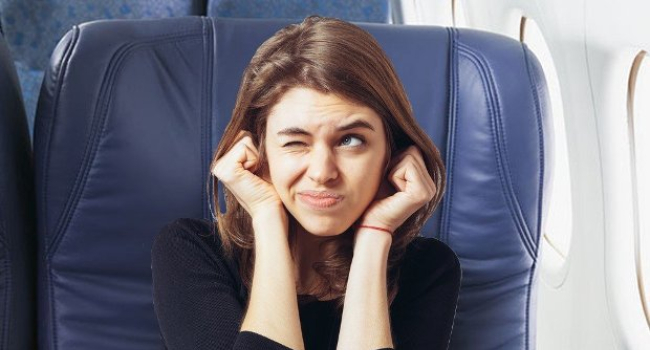
Most people who travel by plane have experienced the uncomfortable sensation of ear popping. While chewing gum, sucking on candy, or exaggerated yawning are common quick fixes, the root of the issue goes much deeper than these simple remedies.
The good news is that the discomfort felt during takeoff and landing is a normal protective function of the body. According to audiologist Patricia Gaffney, president of the American Academy of Audiology, ear popping is the body’s natural way of equalizing pressure—and in most cases, it resolves quickly and without complications, reports Popular Science.
So what exactly causes that popping or pressure sensation? Gaffney explains in detail what happens inside our ears during flight, according to Focus.
The human ear consists of three parts:
-
the outer ear,
-
the middle ear, and
-
the inner ear.
The outer ear includes the visible earlobe and the ear canal. The eardrum separates the outer ear from the air-filled middle ear, which contains three tiny bones and the Eustachian tube—a narrow passage that connects the middle ear to the upper part of the throat (the nasopharynx). The inner ear houses the cochlea (our hearing organ) and the vestibular system (responsible for balance).
The pressure sensation during a flight originates from the Eustachian tube. According to Gaffney, the Eustachian tube’s sole function is to maintain equal air pressure between the outer and middle ear.
Balancing air pressure between the middle ear and the environment is essential for our ears to function properly. When the air pressure inside the middle ear is lower than that of the surrounding environment, negative pressure can develop. This can pull the eardrum inward, reducing its ability to vibrate and causing muffled hearing. This sensation continues until the pressure is equalized.
In everyday life, the Eustachian tube briefly opens when we:
-
swallow,
-
yawn,
-
or speak.
These actions help compensate for minor changes in air pressure. However, rapid altitude changes—like during flights, diving underwater, or climbing a mountain—create more significant pressure differences, as the air pressure outside changes more quickly than the pressure inside the middle ear. At that point, the Eustachian tube responds by opening to equalize the pressure.
Gaffney notes that several proven techniques can help manage ear pressure and encourage the Eustachian tube to open during flights:
-
For infants, feeding or sucking on a pacifier may help.
-
For older children and adults, chewing gum, sucking on candy, or intentional yawning can be effective.
Additionally, the Valsalva maneuver can be used. To perform it, take a breath, close your mouth, pinch your nose, and gently blow out.
Experts also point out that some over-the-counter medications may ease flying-related ear pressure.
Follow NEWS.am Medicine on Facebook and Twitter

- Related News
- When Diet and Exercise Aren’t Enough: Who Can Benefit from Weight-Loss Medications? If dietary changes and increased physical activity fail to produce at least 5% weight loss, patients can discuss medication options with their doctor...
- Tea May Benefit Heart Health — but Drinking It Scalding Hot Could Be Risky The study also found that moderate-strength tea was associated with a lower risk...
- A Simple Way to Blunt Blood Sugar Spikes After Meals In the experiments, mice were divided into groups after an overnight fast...
- Study: Healthy Diet During Pregnancy Reduces the Risk of Colic and Eczema in Children A higher MDS indicated a healthier diet rich in fruits, vegetables, whole grains, legumes, and healthy fats, with moderate amounts of dairy products and lean protein...
- F&F: Japanese Apricot May Help Fight Helicobacter pylori In experiments on mice, the extract reduced inflammation and promoted the restoration of the stomach lining...
- Video



- Event calendar
- Archive
- Most read
month
week
day
- Tea May Benefit Heart Health — but Drinking It Scalding Hot Could Be Risky 386
- Why Some People Avoid Alzheimer’s Despite Carrying a High-Risk Gene 348
- LSD does more than disrupt brain rhythms: It speeds them up and increases signal complexity 329
- Nine-year study links changing loneliness patterns to increased heart disease risk 321
- PLOS: Yogurt and Canned Beans May Help Reduce the Risk of Colorectal Cancer 295
- Scientists Rejuvenate Cells by More Than 60 Years for the First Time 293
- bioRxiv: Cholesterol May Interfere with the Brain’s Ability to Clear Toxic Proteins 273
- Nubar Afeyan’s Company Tests Skin Cancer Vaccine: Risk of Recurrence Falls by 42% 270
- Scientists Use ChatGPT-Like Technology to Assess Stroke Risk From Human DNA 263
- PLOS One: A Short Strength-Training Routine Improved Balance and Strength in Adults Over 65 256
- AJOG: Birth Weight Is Linked to Later Performance in Math and Reading 242
- SciRep: Walking More Than 8,000 Steps a Day Is Linked to Better Attention 233
- Noise-Canceling Headphones Reduced the Risk of Nausea After Gynecological Surgery by 32% 233
- WHO Comments on First Documented Human Death Linked to Shamonda Virus 223
- Scientists Unveil Scanner That Captures Whole-Body Images in Just 60 Seconds 219
- Find us on Facebook
- Poll