


- Latest news▼
-
21:36, October 24 From Cancer to Alzheimer's Disease: Scientists Call for a Major International Human Microbiome Research Initiative

-
18:14, October 24 How Ultra-Processed Foods Affect Children's Brains: Study Links Brain Activity to Weight Gain

-
15:39, October 24 Scientists Create Immune Cell Atlas That Could Help Assess Cancer Risk and Premature Death

-
13:42, October 24 New mRNA Vaccine Reduces Risk of Melanoma Recurrence After Surgery by 42%

-
08:37, October 24 Mice Help Scientists Uncover the Cause of a Rare Disease

-
22:53, October 23 Scientists Use ChatGPT-Like Technology to Assess Stroke Risk From Human DNA

-
20:56, October 23 Nubar Afeyan’s Company Tests Skin Cancer Vaccine: Risk of Recurrence Falls by 42%
-
18:49, October 23 bioRxiv: Cholesterol May Interfere with the Brain’s Ability to Clear Toxic Proteins
-
16:56, October 23 PLOS One: A Short Strength-Training Routine Improved Balance and Strength in Adults Over 65

-
14:50, October 23 A Simple 15-Minute Procedure Helped Patients with Carpal Tunnel Syndrome Avoid Surgery

-
12:53, October 23 Scientists Rejuvenate Cells by More Than 60 Years for the First Time

-
10:47, October 23 WHO Comments on First Documented Human Death Linked to Shamonda Virus

-
08:24, October 23 A Single Tooth Can Reveal Six Types of Information About a Person, Including Their Health

-
20:34, October 22 Medical Xpress: Hypnosis and Psychotherapy May Help Relieve Chronic Abdominal Pain in Children

-
18:51, October 22 Nature: Cold Triggers Muscles to Produce Protective Metabolite BH2

All materials
New Data on Bone Health in Women: Nutrition, Exercise, and Prevention
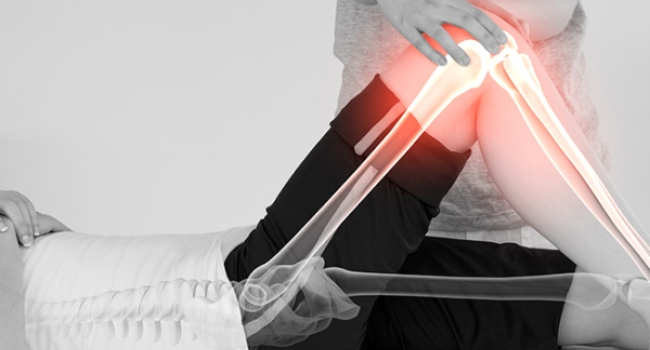
Women entering menopause experience one of the fastest stages of bone mass loss in their entire lives. According to Mary Jane De Souza, a researcher from Pennsylvania State University, women can lose up to 10% of their bone tissue in just three years—one year before the onset of menopause and the first two years following it.
This is why specialists are increasingly emphasizing the necessity of osteoporosis prevention well before the appearance of the first symptoms. Osteoporosis is considered one of the most common age-related issues, with women making up approximately 80% of patients with the condition. The disease gradually makes bones brittle and increases the risk of fractures, particularly of the hip and spine. Researchers stress that the consequences can be severe: about a quarter of women do not return to their previous level of independence after a hip fracture.
The primary cause of accelerated bone loss is the decline in estrogen levels. This hormone helps slow the natural breakdown of bone tissue, but after menopause, this protection weakens sharply. As a result, the processes of bone resorption begin to outpace bone formation.
Scientists emphasize that while calcium and vitamin D remain essential elements of prevention, they alone cannot completely halt age-related bone loss. Regular physical activity—such as walking, dancing, tennis, running, weight-bearing exercises, and strength training—is particularly vital for maintaining bone health. It is the mechanical load on the skeleton that stimulates the formation of new bone tissue.
Researchers are also paying special attention to an unexpected food item: prunes. De Souza's team previously demonstrated that postmenopausal women who ate a handful of prunes daily for a year showed virtually no bone mass loss. Scientists have now launched a new long-term study to determine if prunes can slow down the most dangerous phase of bone loss during the menopausal transition. It is hypothesized that this effect is linked to a reduction in chronic inflammation within the body.
Specialists also remind the public that bone health depends on more than just nutrition. Smoking, excessive alcohol consumption, physical inactivity, and being underweight significantly increase the risk of osteoporosis. Furthermore, bone tissue begins to gradually diminish after the age of 30, meaning prevention should start long before menopause.
Follow NEWS.am Medicine on Facebook and Twitter

- Related News
- When Diet and Exercise Aren’t Enough: Who Can Benefit from Weight-Loss Medications? If dietary changes and increased physical activity fail to produce at least 5% weight loss, patients can discuss medication options with their doctor...
- Tea May Benefit Heart Health — but Drinking It Scalding Hot Could Be Risky The study also found that moderate-strength tea was associated with a lower risk...
- A Simple Way to Blunt Blood Sugar Spikes After Meals In the experiments, mice were divided into groups after an overnight fast...
- Study: Healthy Diet During Pregnancy Reduces the Risk of Colic and Eczema in Children A higher MDS indicated a healthier diet rich in fruits, vegetables, whole grains, legumes, and healthy fats, with moderate amounts of dairy products and lean protein...
- F&F: Japanese Apricot May Help Fight Helicobacter pylori In experiments on mice, the extract reduced inflammation and promoted the restoration of the stomach lining...
- Video




- Event calendar
- Archive
- Most read
month
week
day
- Tea May Benefit Heart Health — but Drinking It Scalding Hot Could Be Risky 387
- Why Some People Avoid Alzheimer’s Despite Carrying a High-Risk Gene 349
- LSD does more than disrupt brain rhythms: It speeds them up and increases signal complexity 329
- Nine-year study links changing loneliness patterns to increased heart disease risk 321
- Scientists Rejuvenate Cells by More Than 60 Years for the First Time 295
- PLOS: Yogurt and Canned Beans May Help Reduce the Risk of Colorectal Cancer 295
- bioRxiv: Cholesterol May Interfere with the Brain’s Ability to Clear Toxic Proteins 275
- Nubar Afeyan’s Company Tests Skin Cancer Vaccine: Risk of Recurrence Falls by 42% 271
- Scientists Use ChatGPT-Like Technology to Assess Stroke Risk From Human DNA 265
- PLOS One: A Short Strength-Training Routine Improved Balance and Strength in Adults Over 65 257
- AJOG: Birth Weight Is Linked to Later Performance in Math and Reading 242
- SciRep: Walking More Than 8,000 Steps a Day Is Linked to Better Attention 233
- Noise-Canceling Headphones Reduced the Risk of Nausea After Gynecological Surgery by 32% 233
- WHO Comments on First Documented Human Death Linked to Shamonda Virus 223
- Scientists Unveil Scanner That Captures Whole-Body Images in Just 60 Seconds 219
- Find us on Facebook
- Poll