


- Latest news▼
-
23:22, September 7 How Can a Fly’s Brain Help Us Understand Human Behavior?
-
21:18, September 7 How the Pursuit of Perfect Sleep Can Keep You Awake

-
08:37, September 7 Weight-Loss Drug May Affect Aging: Scientists Discover an Unexpected Effect of Semaglutide
-
20:53, September 5 npj Science of Food: A Spoonful of Vegetable Oil Before a Carb-Rich Meal May Blunt Blood Sugar Spikes

-
13:26, September 5 In the U.S., Prescriptions for Obesity Drugs for Children Under 12 Increased 310-Fold in Seven Years

-
23:20, September 4 TCTV: New Drug Doubles Survival in Lung Cancer
-
11:10, September 4 SB: The Rule of Drinking Eight Glasses of Water a Day Has No Scientific Basis

-
08:46, September 4 JID: Popular Weight-Loss Drugs May Increase the Risk of Male Pattern Hair Loss by 7%

-
22:46, September 3 At-Home Urine Test Could Detect Most Bladder Cancer Cases, Study Finds

-
20:38, September 3 Alcohol-Related Cancer Deaths Double in the U.S. as the Number of Such Deaths Rises Over 33 Years

-
18:29, September 3 An Unexpected Paradox: Both Very Low and Very High Testosterone Levels May Be Equally Dangerous for the Heart

-
16:11, September 3 The Independent: Aging Is the Main Risk Factor for Cancer

-
14:13, September 3 CC: Age-Related Changes in Memory May Begin as Early as 50

-
08:34, September 3 Scientists Find Who May Benefit More from Coffee in Terms of Parkinson’s Disease Risk

-
23:37, September 2 LDE: Popular Diabetes Drugs Linked to Risk of a Dangerous Complication in Certain Patients

All materials
US Measles Cases Reach Highest Level in 35 Years as Outbreaks Continue to Spread
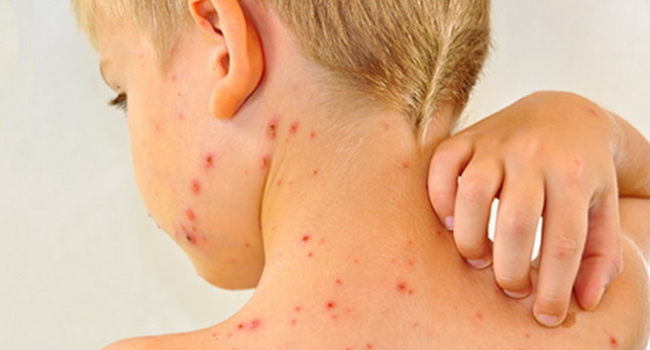
The United States has recorded its highest number of measles cases in 35 years, marking the second consecutive year of record-breaking transmission despite the disease having been declared eliminated nationally in 2000.
According to the US Centers for Disease Control and Prevention (CDC), more than 2,318 measles cases had been reported by late July 2026, already surpassing the total recorded during all of 2025, with more than five months still remaining in the year.
Public health experts warn that the resurgence reflects declining vaccination coverage in some communities. More than 90% of reported cases have occurred among people who were either unvaccinated or whose vaccination status was unknown.
Since early 2025, the United States has reported more measles cases than during the previous 25 years combined, despite maintaining elimination status for the disease since 2000.
Several outbreaks that began in 2025 have continued into 2026, while dozens of new clusters have emerged this year. One of the largest outbreaks occurred in South Carolina, where nearly 1,000 cases were reported before the outbreak ended in April. Additional outbreaks remain active in several states, including Virginia, Pennsylvania, and along the Utah–Arizona border.
Health officials emphasize that controlling measles outbreaks requires extensive public health resources. Contact tracing, identifying exposed individuals, monitoring symptoms, and organizing vaccination campaigns often continue for weeks or even months after a single confirmed case.
In San Francisco, health authorities reported that almost all case investigators were reassigned to manage exposures linked to just two measles cases, illustrating how rapidly public health systems can become overwhelmed.
Virginia has also experienced a growing outbreak centered in Buckingham County, with more than 150 confirmed cases. Local health authorities have expanded community outreach, offered home testing through mobile medical teams, and worked with healthcare providers to improve early detection and vaccination efforts.
Pennsylvania has reported more than 100 cases this year in Lancaster County. State officials noted that none of the affected individuals had received the recommended two doses of the measles, mumps, and rubella (MMR) vaccine. Hundreds of MMR vaccinations have since been administered through temporary community clinics.
Experts stress that measles outbreaks remain possible wherever vaccination coverage falls below 95%, the level generally considered necessary to maintain herd immunity against one of the world's most contagious viruses.
According to pediatric and public health specialists, the current situation is largely preventable. They emphasize that vaccination remains the most effective protection against measles, providing approximately 97% lifelong protection after two doses of the MMR vaccine.
Researchers also warn that prolonged outbreaks could affect the United States' measles elimination status, which international health authorities are expected to review later this year. Public health officials continue to urge parents and adults who are not fully vaccinated to receive the MMR vaccine in order to protect themselves and reduce further community transmission.
Follow NEWS.am Medicine on Facebook and Twitter





- Most read
month
week
day
- Alcohol-Related Cancer Deaths Double in the U.S. as the Number of Such Deaths Rises Over 33 Years 948
- At-Home Urine Test Could Detect Most Bladder Cancer Cases, Study Finds 908
- JID: Popular Weight-Loss Drugs May Increase the Risk of Male Pattern Hair Loss by 7% 226
- npj Science of Food: A Spoonful of Vegetable Oil Before a Carb-Rich Meal May Blunt Blood Sugar Spikes 225
- In the U.S., Prescriptions for Obesity Drugs for Children Under 12 Increased 310-Fold in Seven Years 221
- How the Pursuit of Perfect Sleep Can Keep You Awake 220
- SB: The Rule of Drinking Eight Glasses of Water a Day Has No Scientific Basis 214
- TCTV: New Drug Doubles Survival in Lung Cancer 205
- Weight-Loss Drug May Affect Aging: Scientists Discover an Unexpected Effect of Semaglutide 201
- How Can a Fly’s Brain Help Us Understand Human Behavior? 189
- Find us on Facebook
- Poll