


- Latest news▼
-
23:22, September 7 How Can a Fly’s Brain Help Us Understand Human Behavior?

-
21:18, September 7 How the Pursuit of Perfect Sleep Can Keep You Awake

-
08:37, September 7 Weight-Loss Drug May Affect Aging: Scientists Discover an Unexpected Effect of Semaglutide
-
20:53, September 5 npj Science of Food: A Spoonful of Vegetable Oil Before a Carb-Rich Meal May Blunt Blood Sugar Spikes

-
13:26, September 5 In the U.S., Prescriptions for Obesity Drugs for Children Under 12 Increased 310-Fold in Seven Years

-
23:20, September 4 TCTV: New Drug Doubles Survival in Lung Cancer

-
11:10, September 4 SB: The Rule of Drinking Eight Glasses of Water a Day Has No Scientific Basis

-
08:46, September 4 JID: Popular Weight-Loss Drugs May Increase the Risk of Male Pattern Hair Loss by 7%

-
22:46, September 3 At-Home Urine Test Could Detect Most Bladder Cancer Cases, Study Finds

-
20:38, September 3 Alcohol-Related Cancer Deaths Double in the U.S. as the Number of Such Deaths Rises Over 33 Years

-
18:29, September 3 An Unexpected Paradox: Both Very Low and Very High Testosterone Levels May Be Equally Dangerous for the Heart

-
16:11, September 3 The Independent: Aging Is the Main Risk Factor for Cancer

-
14:13, September 3 CC: Age-Related Changes in Memory May Begin as Early as 50

-
08:34, September 3 Scientists Find Who May Benefit More from Coffee in Terms of Parkinson’s Disease Risk

-
23:37, September 2 LDE: Popular Diabetes Drugs Linked to Risk of a Dangerous Complication in Certain Patients

All materials
JAMA: Zinc reduced infections by nearly 40% in young children with sickle cell disease
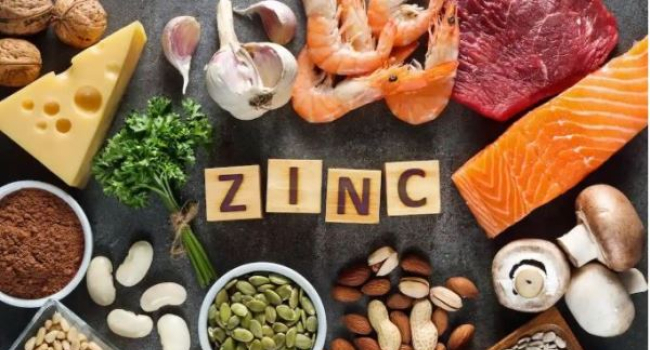
Daily supplementation with 20 milligrams of zinc reduced the number of infections by 38% in children under five with sickle cell disease, according to researchers from the Indiana University School of Medicine and their colleagues in Uganda. The findings were published in the Journal of the American Medical Association (JAMA).
Sickle cell disease is an inherited blood disorder in which red blood cells become abnormally shaped and are less effective at carrying oxygen throughout the body. Children with the condition often develop zinc deficiency, and the mineral plays an important role in immune system function. As a result, these children are particularly vulnerable to infections that can lead to hospitalization and even death.
The study included 100 children aged one to five who were receiving treatment at a regional hospital in Jinja, Uganda. For six months, some of the children received 20 mg of zinc daily, while the others received a placebo. The trial was randomized, double-blind and placebo-controlled.
Children who received zinc experienced 38% fewer infections of all types than those in the placebo group. These included upper respiratory tract infections, diarrhea and bacterial infections.
This was the researchers’ second study examining the approach. In an earlier trial, children received 10 mg of zinc per day, but researchers did not observe a significant reduction in infections. The new findings suggest that a higher dose may be considerably more effective.
However, the researchers do not yet recommend adding daily zinc supplementation to standard treatment for children with sickle cell disease. The results need to be confirmed in larger studies involving patients from multiple medical centers.
One potential advantage of the approach is its low cost. According to the researchers, when purchased in bulk, a year-long course of daily zinc supplementation could cost less than $3 per child.
Follow NEWS.am Medicine on Facebook and Twitter





- Most read
month
week
day
- An Unexpected Paradox: Both Very Low and Very High Testosterone Levels May Be Equally Dangerous for the Heart 1025
- Alcohol-Related Cancer Deaths Double in the U.S. as the Number of Such Deaths Rises Over 33 Years 938
- At-Home Urine Test Could Detect Most Bladder Cancer Cases, Study Finds 899
- JID: Popular Weight-Loss Drugs May Increase the Risk of Male Pattern Hair Loss by 7% 208
- npj Science of Food: A Spoonful of Vegetable Oil Before a Carb-Rich Meal May Blunt Blood Sugar Spikes 207
- In the U.S., Prescriptions for Obesity Drugs for Children Under 12 Increased 310-Fold in Seven Years 204
- How the Pursuit of Perfect Sleep Can Keep You Awake 203
- SB: The Rule of Drinking Eight Glasses of Water a Day Has No Scientific Basis 202
- TCTV: New Drug Doubles Survival in Lung Cancer 194
- Weight-Loss Drug May Affect Aging: Scientists Discover an Unexpected Effect of Semaglutide 190
- How Can a Fly’s Brain Help Us Understand Human Behavior? 179
- Find us on Facebook
- Poll