


- Latest news▼
-
18:14, October 24 How Ultra-Processed Foods Affect Children's Brains: Study Links Brain Activity to Weight Gain

-
15:39, October 24 Scientists Create Immune Cell Atlas That Could Help Assess Cancer Risk and Premature Death

-
13:42, October 24 New mRNA Vaccine Reduces Risk of Melanoma Recurrence After Surgery by 42%

-
08:37, October 24 Mice Help Scientists Uncover the Cause of a Rare Disease

-
22:53, October 23 Scientists Use ChatGPT-Like Technology to Assess Stroke Risk From Human DNA

-
20:56, October 23 Nubar Afeyan’s Company Tests Skin Cancer Vaccine: Risk of Recurrence Falls by 42%

-
18:49, October 23 bioRxiv: Cholesterol May Interfere with the Brain’s Ability to Clear Toxic Proteins
-
16:56, October 23 PLOS One: A Short Strength-Training Routine Improved Balance and Strength in Adults Over 65

-
14:50, October 23 A Simple 15-Minute Procedure Helped Patients with Carpal Tunnel Syndrome Avoid Surgery

-
12:53, October 23 Scientists Rejuvenate Cells by More Than 60 Years for the First Time

-
10:47, October 23 WHO Comments on First Documented Human Death Linked to Shamonda Virus

-
08:24, October 23 A Single Tooth Can Reveal Six Types of Information About a Person, Including Their Health

-
20:34, October 22 Medical Xpress: Hypnosis and Psychotherapy May Help Relieve Chronic Abdominal Pain in Children

-
18:51, October 22 Nature: Cold Triggers Muscles to Produce Protective Metabolite BH2

-
16:45, October 22 Nature: Hantavirus Enters Human Cells Through a Groove in a Receptor-Binding Protein

All materials
Frontiers in Nutrition: Cutting Carbohydrates Instead of Fat Helps Women Better Control Appetite
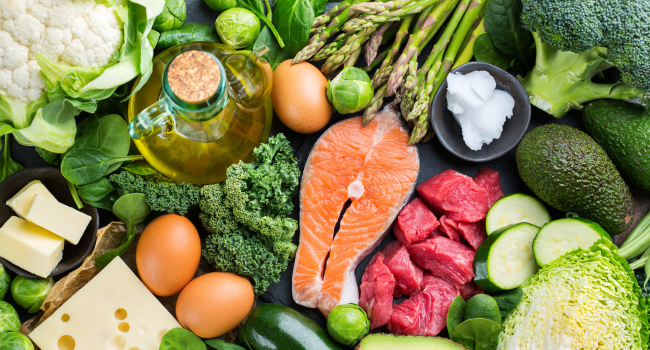
A new study published in the journal Frontiers in Nutrition shows that reducing carbohydrate intake, rather than fat, may lead to better appetite control in women living with lipedema—a condition similar to obesity but characterized by a distinct pattern of fat accumulation in the lower parts of the body.
Lipedema predominantly affects women, particularly during periods of hormonal change—such as adolescence, pregnancy, and menopause—and is associated with tissue inflammation, which may influence appetite-regulation mechanisms in the brain.
Scientists analyzed data from a clinical trial involving 70 participants with lipedema and obesity, who were divided into two groups. One group followed a low-carbohydrate diet (about 75 g of carbohydrates per day), while the other followed a low-fat diet (around 180 g of carbohydrates and 27 g of fat per day) for eight weeks. In both groups, daily energy intake was approximately 1,200 kcal, with the same amount of protein.
The results showed that women on the low-carbohydrate diet experienced a significant reduction in so-called hedonic hunger—the pleasure-driven desire to eat triggered by the sight or smell of food, even when the body does not need energy. This effect was measured using the Power of Food Scale, and the decrease in responsiveness to food cues was especially pronounced in the subcategory “food present but not yet tasted.”
In addition, participants in the low-carbohydrate group reported a marked decrease in emotional eating—that is, a reduced tendency to eat in response to negative emotions. In contrast, women following the low-fat diet showed an increase in “cognitive restraint,” meaning a greater ability to consciously limit food intake to maintain body weight.
The study authors suggest that a low-carbohydrate diet may affect the brain’s reward system, particularly hormones such as ghrelin and insulin, which influence dopaminergic pathways associated with the pleasure of eating. This mechanism may help explain why carbohydrate restriction reduces reactivity to food cues and supports better appetite control.
Follow NEWS.am Medicine on Facebook and Twitter

- Related News
- When Diet and Exercise Aren’t Enough: Who Can Benefit from Weight-Loss Medications? If dietary changes and increased physical activity fail to produce at least 5% weight loss, patients can discuss medication options with their doctor...
- Tea May Benefit Heart Health — but Drinking It Scalding Hot Could Be Risky The study also found that moderate-strength tea was associated with a lower risk...
- A Simple Way to Blunt Blood Sugar Spikes After Meals In the experiments, mice were divided into groups after an overnight fast...
- Study: Healthy Diet During Pregnancy Reduces the Risk of Colic and Eczema in Children A higher MDS indicated a healthier diet rich in fruits, vegetables, whole grains, legumes, and healthy fats, with moderate amounts of dairy products and lean protein...
- F&F: Japanese Apricot May Help Fight Helicobacter pylori In experiments on mice, the extract reduced inflammation and promoted the restoration of the stomach lining...
- Video




- Event calendar
- Archive
- Most read
month
week
day
- Tea May Benefit Heart Health — but Drinking It Scalding Hot Could Be Risky 384
- Why Some People Avoid Alzheimer’s Despite Carrying a High-Risk Gene 348
- LSD does more than disrupt brain rhythms: It speeds them up and increases signal complexity 329
- Nine-year study links changing loneliness patterns to increased heart disease risk 320
- PLOS: Yogurt and Canned Beans May Help Reduce the Risk of Colorectal Cancer 295
- Scientists Rejuvenate Cells by More Than 60 Years for the First Time 286
- bioRxiv: Cholesterol May Interfere with the Brain’s Ability to Clear Toxic Proteins 270
- Nubar Afeyan’s Company Tests Skin Cancer Vaccine: Risk of Recurrence Falls by 42% 266
- Scientists Use ChatGPT-Like Technology to Assess Stroke Risk From Human DNA 257
- PLOS One: A Short Strength-Training Routine Improved Balance and Strength in Adults Over 65 249
- AJOG: Birth Weight Is Linked to Later Performance in Math and Reading 242
- Noise-Canceling Headphones Reduced the Risk of Nausea After Gynecological Surgery by 32% 233
- SciRep: Walking More Than 8,000 Steps a Day Is Linked to Better Attention 232
- WHO Comments on First Documented Human Death Linked to Shamonda Virus 222
- Scientists Unveil Scanner That Captures Whole-Body Images in Just 60 Seconds 219
- Find us on Facebook
- Poll