


- Latest news▼
-
12:47, October 7 Nature: Why Does the Immune System Stop Killing Dangerous “Zombie Cells”?

-
10:50, October 7 Nature: Why Does the Immune System Stop Killing Dangerous “Zombie Cells”?

-
08:44, October 7 Study: The Way a Person Speaks May Reveal Early Signs of Brain Aging

-
23:53, October 6 Study: One in Eight Cancer Cases Worldwide Is Linked to Preventable Infections

-
21:39, October 6 Sugar Exposure During the First 1,000 Days of Life Increases the Risk of Anxiety in Adulthood

-
19:56, October 6 Nature: AI Effectively Motivates Patients to Get Vaccinated

-
17:41, October 6 Cell: Vitamin D May Reduce Intestinal Inflammation

-
15:24, October 6 Scientists Find a Way to Rejuvenate Old Cells — Without Rewriting DNA

-
13:12, October 6 More Than 1,600 New Breast Cancer Cases Are Diagnosed in Armenia Every Year

-
08:39, October 6 NatCom: Losing belly fat slowed brain aging and protected memory

-
23:58, October 5 Dreaming: The more difficult the day, the more fear and anxiety appear in dreams

-
22:09, October 5 The 2026 Nobel Prize in Physiology or Medicine Recognized a Sequence of Discoveries

-
18:46, October 5 CanRes: The rate at which mutations accumulate in cells may determine cancer risk

-
14:06, October 5 Nobel Prize in Physiology or Medicine Awarded for Optogenetics

-
12:42, October 5 PNAS: The right hemisphere of the brain ages faster than the left

All materials
F&F: Walnut waste may protect cells from inflammation
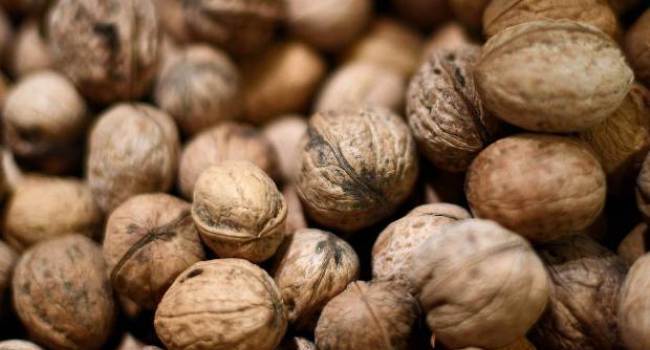
The shell and green husk of walnuts contain powerful antioxidants—phenolic compounds and carotenoids—that may protect cells from inflammation and damage. This conclusion was reached by researchers from the University of Barcelona. The study results were published in the journal Food & Function (F&F).
The researchers analyzed the chemical composition of different parts of the nut—the kernel, shell, and green outer husk. It turned out that many bioactive compounds are found not only in the edible part but also in components that are usually discarded.
In particular, the shell was found to be especially rich in phenolic compounds—namely ellagic acid and catechins. These substances are known for their antioxidant and anti-inflammatory properties, as well as their ability to enhance the protective functions of nerve cells.
The green husk of the unripe nut, as the analysis showed, contains a large amount of carotenoids—pigments involved in protecting cells from damage. Among them, beta-carotene stands out, playing an important role in the functioning of the immune system.
At the same time, the kernel remains the main source of vitamin E—one of the most well-known natural antioxidants that protect cells from the effects of free radicals.
According to the authors, the findings show that walnut processing waste may have practical value. It could potentially be used to create dietary supplements, cosmetic ingredients, and even biodegradable packaging materials.
The scientists note that up to 70% of the nut’s mass is usually not utilized. Therefore, processing the shell and husk could not only provide new sources of biologically active compounds but also make walnut production more sustainable in terms of ecology and resource use.
Follow NEWS.am Medicine on Facebook and Twitter

- Related News
- Current Developments in Nutrition: People with cardiovascular disease eat whole fruits less often
- Food & Function: Daily Consumption of 40 Grams of Walnuts Linked to Improved Overall Mood For eight weeks, participants either consumed 40 grams of walnuts daily with dinner or completely excluded walnuts and walnut-derived products.․․
- Food & Function: Peanuts Increase Brain Insulin Sensitivity in Older Adults The study's authors view these observed changes as potentially beneficial.․․
- Diabetes, Obesity and Metabolism: Feijoa Improved Blood Pressure in People with Prediabetes Over a six-month period, alongside a weight-loss program, participants received approximately one gram of feijoa powder per day or a placebo.․․
- CDN: Fruit Juice Does Not Lower Heart Disease Risk Like Whole Fruits The researchers suggest that the benefits of whole fruits may be related to their content of dietary fiber and polyphenols...
- Video




- Event calendar
- Archive
- Most read
month
week
day
- The 2026 Nobel Prize in Physiology or Medicine Recognized a Sequence of Discoveries 1313
- Study: Suicidal Ideation Among US Teens Began Rising Sharply After Nearly Two Decades of Decline 793
- WHO: Global Life Expectancy Has Almost Returned to Pre-Pandemic Levels 680
- Scientists Discover New Mechanism Linking Biological Clocks, Cold, and Fat Metabolism 670
- More Than 1,600 New Breast Cancer Cases Are Diagnosed in Armenia Every Year 658
- Sugar Exposure During the First 1,000 Days of Life Increases the Risk of Anxiety in Adulthood 644
- Study: The Way a Person Speaks May Reveal Early Signs of Brain Aging 630
- Dreaming: The more difficult the day, the more fear and anxiety appear in dreams 629
- Food & Function: Daily Consumption of 40 Grams of Walnuts Linked to Improved Overall Mood 597
- NatCom: Losing belly fat slowed brain aging and protected memory 579
- Study: One in Eight Cancer Cases Worldwide Is Linked to Preventable Infections 572
- CanRes: The rate at which mutations accumulate in cells may determine cancer risk 557
- Cell: Vitamin D May Reduce Intestinal Inflammation 555
- Nobel Prize in Physiology or Medicine Awarded for Optogenetics 547
- Nature: AI Effectively Motivates Patients to Get Vaccinated 541
- Find us on Facebook
- Poll