


- Latest news▼
-
21:24, October 14 Molecular Cell: Bacteria Hide an Unusual Defense Mechanism That Activates When a Virus Attacks

-
19:47, October 14 Chemical Senses: A Healthy Diet May Be Linked to a Better Sense of Smell

-
17:39, October 14 It's Not Just Weight: Body Shape Is Linked to Heart Attack Risk

-
15:42, October 14 Study: Humanity Is Losing Gut Microbes Passed Down Through Generations

-
13:48, October 14 International ACTS Research Project to Support Smoking Cessation Launched in Armenia

-
12:33, October 14 Study: Healthy Diet During Pregnancy Reduces the Risk of Colic and Eczema in Children

-
10:30, October 14 HealthAI: Artificial Intelligence Helps Healthcare Shift from Treatment to Prevention

-
08:36, October 14 Pancreatic Cancer Can Change Its “Genetic Strategy”: Study Identifies Key Mechanisms

-
23:37, October 13 eClinicalMedicine: More Than 40% of Women with Autoimmune Diseases Have Experienced a Misdiagnosis of a Psychiatric Condition

-
21:42, October 13 JES: Longer Sleep May Increase the Risk of Kidney Damage in People with Diabetes

-
19:40, October 13 CB: Kefir, Yogurt, and Cottage Cheese May Support Muscle Growth and Repair

-
17:38, October 13 F&F: Japanese Apricot May Help Fight Helicobacter pylori

-
14:29, October 13 107 Epigenetic Markers Linked to Alzheimer’s Disease Identified

-
12:35, October 13 AJHG: X-Chromosome Features May Increase Autism Risk in Men Fourfold

-
10:34, October 13 AJCN: Regular Peanut Consumption May Reduce the Risk of Type 2 Diabetes
All materials
Science Daily: Fish Oil May Hinder Brain Recovery Following Injuries
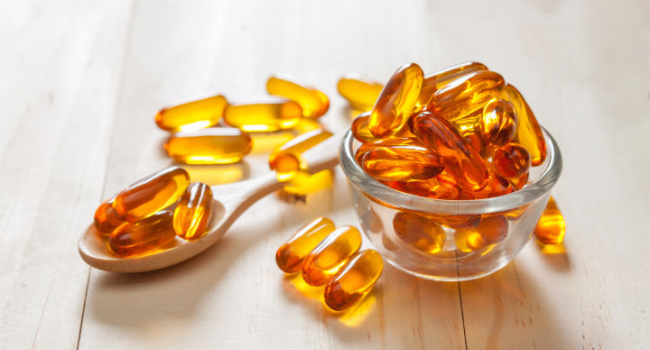
Researchers from the Medical University of South Carolina, led by neuroscientist Önder Albayram, have discovered that fish oil supplements—traditionally considered beneficial for health—may actually impede brain recovery after repeated mild traumatic brain injuries (mTBI), as reported by Science Daily.
One of the key components of Omega-3, eicosapentaenoic acid (EPA), was found to reduce the brain's regenerative capacity under certain conditions. The scientists observed that the accumulation of this acid in tissues is linked to poor healing of blood vessels following damage.
"Fish oil supplements are sold everywhere, and people take them for various reasons, often without a clear understanding of their long-term consequences. But from a neuroscientific perspective, we still don't know if the brain possesses resilience or resistance to this supplement. That is why our study is a first in this field," stated Albayram.
Through experiments on mice, specialists established that long-term fish oil consumption leads to a decline in cognitive abilities and memory following head impacts. Biologists recorded an accumulation of tau protein in the cerebral cortex—a hallmark of neurodegenerative processes. Similar results were obtained when studying human endothelial cells: EPA slowed the restoration of vascular networks and reduced the integrity of the blood-brain barrier.
To confirm these findings, the team analyzed post-mortem tissue samples from individuals who suffered from Chronic Traumatic Encephalopathy (CTE) due to frequent head injuries. The researchers found evidence of disrupted fatty acid metabolism and changes in the expression of genes responsible for vascular stability.
Albayram emphasized that these results should not be interpreted as a total ban on the supplement. According to him, another vital component of Omega-3—docosahexaenoic acid (DHA)—retains its beneficial properties for neurons.
"I’m not saying fish oil is good or bad in some universal way," he said. "Our data shows that biological processes are context-dependent. We need to understand how these supplements behave in the body over time, rather than assuming the same effect applies to everyone."
Moving forward, the authors plan to study the mechanisms of EPA distribution and absorption in the body in greater detail. The scientists hope their work will lay the foundation for the development of "personalized nutrition" in neurology.
Follow NEWS.am Medicine on Facebook and Twitter

- Related News
- Study: Healthy Diet During Pregnancy Reduces the Risk of Colic and Eczema in Children A higher MDS indicated a healthier diet rich in fruits, vegetables, whole grains, legumes, and healthy fats, with moderate amounts of dairy products and lean protein...
- F&F: Japanese Apricot May Help Fight Helicobacter pylori In experiments on mice, the extract reduced inflammation and promoted the restoration of the stomach lining...
- Frontiers in Psychology: Scientists Find That Nature Walks Can Help Lonely People The researchers' findings could help guide healthcare systems around the world, as loneliness is a serious concern not only among older people in Spain...
- More REM Sleep Linked to Lower Risk of 83 Diseases Study of more than 95,000 people finds associations between sleep patterns and long-term health...
- Study: Steps reduce the risk of early death, but walking speed also matters In addition, maintaining a faster walking pace for at least 30 minutes each day...
- Video




- Event calendar
- Archive
- Most read
month
week
day
- Can a Healthy Diet Help Preserve Memory? Study Reveals Limitations of Popular Diets 787
- EU Countries to Discuss Possible Plague Outbreak in Russia 741
- Blood Markers May Reveal Signs of Accelerated Immune Aging 728
- Scientists Discover How Horseback Riding Affects Behavior in Children with Autism 698
- Study: Even Short-Term E-Cigarette Use Damages the Lungs 685
- Study: Memory Decline Between Ages 60 and 69 Is Linked to an Increased Risk of Stroke 676
- Frontiers in Psychology: Scientists Find That Nature Walks Can Help Lonely People 674
- Diabetes: Olive Oil Before Carbohydrates Reduced the Rise in Blood Glucose 669
- Cannabis Does Not Improve Sleep: Study Reveals an Unexpected Effect 664
- WHO Reports 8,700 Confirmed Ebola Cases in the Democratic Republic of the Congo 664
- Nature: Sugar During Antibiotic Treatment Disrupts the Gut Microbiome More Severely 569
- Nature Metabolism: Ultra-Processed Food Makes the Body Use Energy Differently 554
- Scientists Discover Unexpected Gene That May Increase the Risk of Anorexia 279
- International ACTS Research Project to Support Smoking Cessation Launched in Armenia 272
- Signal Transduction: Nerves Help Tumors Evade the Immune System 221
- Find us on Facebook
- Poll