


- Latest news▼
-
21:36, October 24 From Cancer to Alzheimer's Disease: Scientists Call for a Major International Human Microbiome Research Initiative

-
18:14, October 24 How Ultra-Processed Foods Affect Children's Brains: Study Links Brain Activity to Weight Gain

-
15:39, October 24 Scientists Create Immune Cell Atlas That Could Help Assess Cancer Risk and Premature Death

-
13:42, October 24 New mRNA Vaccine Reduces Risk of Melanoma Recurrence After Surgery by 42%
-
08:37, October 24 Mice Help Scientists Uncover the Cause of a Rare Disease
-
22:53, October 23 Scientists Use ChatGPT-Like Technology to Assess Stroke Risk From Human DNA

-
20:56, October 23 Nubar Afeyan’s Company Tests Skin Cancer Vaccine: Risk of Recurrence Falls by 42%
-
18:49, October 23 bioRxiv: Cholesterol May Interfere with the Brain’s Ability to Clear Toxic Proteins
-
16:56, October 23 PLOS One: A Short Strength-Training Routine Improved Balance and Strength in Adults Over 65
-
14:50, October 23 A Simple 15-Minute Procedure Helped Patients with Carpal Tunnel Syndrome Avoid Surgery
-
12:53, October 23 Scientists Rejuvenate Cells by More Than 60 Years for the First Time

-
10:47, October 23 WHO Comments on First Documented Human Death Linked to Shamonda Virus

-
08:24, October 23 A Single Tooth Can Reveal Six Types of Information About a Person, Including Their Health

-
20:34, October 22 Medical Xpress: Hypnosis and Psychotherapy May Help Relieve Chronic Abdominal Pain in Children

-
18:51, October 22 Nature: Cold Triggers Muscles to Produce Protective Metabolite BH2

All materials
800-Year-Old Chinese Exercise May Help Lower Blood Pressure Without Medication
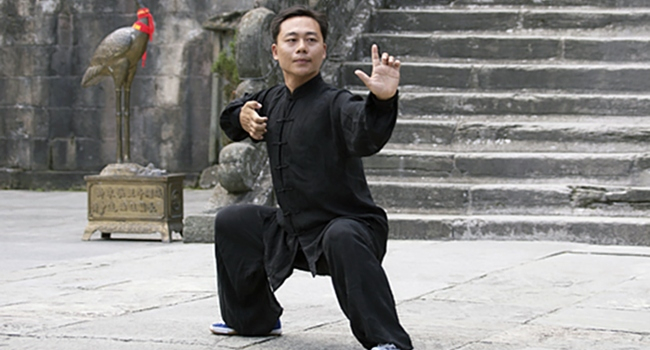
A traditional Chinese exercise practiced for more than 800 years may help reduce blood pressure almost as effectively as medication and brisk walking, according to a large clinical trial published in the Journal of the American College of Cardiology (JACC).
The exercise system, known as *baduanjin*, combines slow body movements, breathing techniques, and meditation. Researchers found that adults with stage 1 hypertension who practiced baduanjin regularly experienced noticeable improvements in blood pressure within three months, with the effect lasting for an entire year.
High blood pressure remains one of the leading risk factors for cardiovascular disease worldwide. While doctors often recommend physical activity, many people struggle to maintain long-term exercise routines because of gym costs, lack of equipment, or time constraints.
Baduanjin may offer a simpler alternative. The traditional practice includes eight structured movements that combine light aerobic exercise, stretching, muscle tension exercises, and mindfulness. Sessions typically last only 10–15 minutes and require no equipment or special training, making the routine accessible for most adults.
Researchers followed 216 participants over the age of 40 from seven communities in China. All participants had systolic blood pressure levels between 130 and 139 mm Hg, classified as stage 1 hypertension under American guidelines.
Participants were divided into three groups: one practiced baduanjin five times per week, another performed self-directed exercise, and the third followed a brisk walking program.
After both 12 weeks and one year, the baduanjin group showed significant improvements. Compared with the self-directed exercise group, participants practicing baduanjin lowered their 24-hour systolic blood pressure by around 3 mm Hg and office systolic blood pressure by approximately 5 mm Hg. Researchers noted that these results are comparable to the effects seen with some first-line blood pressure medications.
The study also found that baduanjin produced results similar to brisk walking while remaining safe and easy to maintain over time.
According to the authors, one of the most important findings was that participants continued practicing the routine and maintained the benefits even without constant supervision.
Experts say the low-cost and accessible nature of baduanjin could make it an effective community-based strategy for preventing cardiovascular disease, especially in areas with limited healthcare resources.
Follow NEWS.am Medicine on Facebook and Twitter

- Related News
- When Diet and Exercise Aren’t Enough: Who Can Benefit from Weight-Loss Medications? If dietary changes and increased physical activity fail to produce at least 5% weight loss, patients can discuss medication options with their doctor...
- Tea May Benefit Heart Health — but Drinking It Scalding Hot Could Be Risky The study also found that moderate-strength tea was associated with a lower risk...
- A Simple Way to Blunt Blood Sugar Spikes After Meals In the experiments, mice were divided into groups after an overnight fast...
- Study: Healthy Diet During Pregnancy Reduces the Risk of Colic and Eczema in Children A higher MDS indicated a healthier diet rich in fruits, vegetables, whole grains, legumes, and healthy fats, with moderate amounts of dairy products and lean protein...
- F&F: Japanese Apricot May Help Fight Helicobacter pylori In experiments on mice, the extract reduced inflammation and promoted the restoration of the stomach lining...
- Video



- Event calendar
- Archive
- Most read
month
week
day
- Tea May Benefit Heart Health — but Drinking It Scalding Hot Could Be Risky 385
- Why Some People Avoid Alzheimer’s Despite Carrying a High-Risk Gene 348
- LSD does more than disrupt brain rhythms: It speeds them up and increases signal complexity 329
- Nine-year study links changing loneliness patterns to increased heart disease risk 321
- PLOS: Yogurt and Canned Beans May Help Reduce the Risk of Colorectal Cancer 295
- Scientists Rejuvenate Cells by More Than 60 Years for the First Time 292
- bioRxiv: Cholesterol May Interfere with the Brain’s Ability to Clear Toxic Proteins 272
- Nubar Afeyan’s Company Tests Skin Cancer Vaccine: Risk of Recurrence Falls by 42% 269
- Scientists Use ChatGPT-Like Technology to Assess Stroke Risk From Human DNA 262
- PLOS One: A Short Strength-Training Routine Improved Balance and Strength in Adults Over 65 254
- AJOG: Birth Weight Is Linked to Later Performance in Math and Reading 242
- SciRep: Walking More Than 8,000 Steps a Day Is Linked to Better Attention 233
- Noise-Canceling Headphones Reduced the Risk of Nausea After Gynecological Surgery by 32% 233
- WHO Comments on First Documented Human Death Linked to Shamonda Virus 223
- Scientists Unveil Scanner That Captures Whole-Body Images in Just 60 Seconds 219
- Find us on Facebook
- Poll