


- Latest news▼
-
23:31, October 16 Cardiologists Urge Inclusion of Physical Exercise in Heart Disease Prevention

-
21:29, October 16 Stem Cell Reports: Nicotine Exposure During Pregnancy Permanently Weakens Offspring’s Immune Systems

-
19:15, October 16 Frontiers: Poor Sleep May Increase the Risk of Breast Cancer by 30%

-
17:26, October 16 Nature: Researchers Link Faster Wound Healing to Female Sex Hormones

-
15:05, October 16 BJN: Asparagus extract helps improve sleep and reduce anxiety

-
10:55, October 16 Science Corporation Implants Vision-Restoring Chip in First Patient With Stargardt Disease

-
08:41, October 16 Smartphone Habits Can Detect Stress With Up to 76% Accuracy, Scientists Find

-
21:36, October 15 Cardiologists Urge Inclusion of Physical Exercise in Heart Disease Prevention

-
19:41, October 15 RPTH: One to Two Cups of Coffee a Day Linked to a 51% Lower Risk of Recurrent Venous Thromboembolism

-
17:50, October 15 JACH: Eating Breakfast May Improve Psychological Flexibility

-
15:42, October 15 A Simple Way to Blunt Blood Sugar Spikes After Meals

-
12:33, October 15 Scientists Discover a Longevity Gene That Extends Lifespan by 14%

-
10:37, October 15 WHO: Lead Poisoning Claims More Than 3.5 Million Lives Every Year

-
08:47, October 15 Why It Can Sometimes Be Impossible to Stop Laughing: Neuroscientists Identify Two Mechanisms Behind Laughter

-
21:24, October 14 Molecular Cell: Bacteria Hide an Unusual Defense Mechanism That Activates When a Virus Attacks

All materials
8 Things to Know About the Gut Microbiome and How to Keep It Healthy
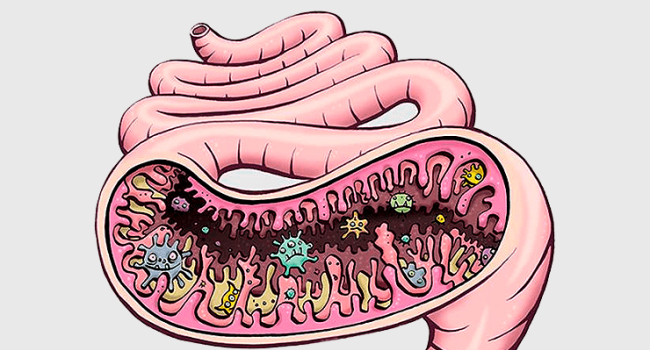
The gut microbiome has become one of the most discussed topics in health and wellness. This vast community of bacteria and other microorganisms living in the intestines influences far more than digestion. It affects immunity, metabolism, mood, brain function, and many other aspects of health. Yet despite growing public interest, experts warn that many commercial products and claims about optimizing the microbiome go beyond what science currently supports.
1.Defining a “Healthy” Microbiome Is Not Easy
One of the biggest challenges in microbiome research is that healthy individuals can have remarkably different microbial communities. Factors such as diet, genetics, lifestyle, geography, and environment all influence the composition of the gut microbiome.
Scientists currently do not have a universally accepted definition of a healthy microbiome. Unlike cholesterol levels or blood pressure, there is no single measurement that can accurately determine the state of gut health.
Researchers do, however, recognize several characteristics that are generally associated with a healthy microbiome. These include a diverse range of microorganisms, resilience to disruptions such as illness or antibiotic use, and the ability to recover after disturbances. Certain bacterial groups have also been linked to positive health outcomes.
2. What Microbes Do Matters More Than Which Ones Are Present
Scientists have identified bacterial groups that frequently appear in healthy people and perform important biological functions. However, experts caution against dividing microbes into simple categories of “good” and “bad.”
Increasingly, researchers view the microbiome as an interconnected ecosystem. Health problems may arise not because of a single harmful microbe but because entire microbial communities become imbalanced or dysfunctional.
Large international studies have identified several bacterial groups associated with resilience and good health, including Roseburia, Eubacterium, Faecalibacterium, Allistipes, and Bacteroides. Many of these microbes help ferment dietary fiber and produce beneficial compounds such as short-chain fatty acids.
For example, Roseburia produces butyrate, a compound that nourishes cells in the colon, supports the intestinal barrier, and helps protect against harmful bacteria. Nevertheless, two healthy individuals may have very different microbiomes and respond differently to the same foods or interventions.
3. The Modern Microbiome Is Imperfect — Not Broken
Social media often promotes the idea that modern lifestyles have completely damaged the human microbiome. Researchers say the reality is more complicated.
There is evidence that industrialized lifestyles, widespread antibiotic use, low-fiber diets, sedentary behavior, and other environmental factors have altered the microbiome in ways that may not always be beneficial.
However, scientists caution against assuming that older or ancestral microbiomes were necessarily healthier. The microbiome has evolved alongside humans and adapted to modern environments. Some microorganisms that were common in the past are now known to increase the risk of diseases such as stomach ulcers and gastric cancer.
Researchers therefore emphasize that changes in the microbiome should be viewed within the broader context of human evolution and health rather than as evidence that modern microbiomes are simply “broken.”
4. Consumer Microbiome Tests Have Major Limitations
As interest in gut health has grown, so has the market for direct-to-consumer microbiome tests. These products typically analyze stool samples and provide reports on bacterial populations, metabolites, and even personalized gut-health scores.
Although the idea is appealing, many experts question the clinical value of these tests. Because there is no universally accepted definition of a healthy microbiome and substantial variation exists between individuals, interpreting the results can be extremely difficult.
Research has also shown that the same sample sent to different companies can produce different results depending on the testing methods used. Furthermore, many consumer microbiome tests are not subject to the same standards and regulatory oversight as medical diagnostic tests.
5. Diet Has the Strongest Influence on the Gut Microbiome
Among all lifestyle factors, diet appears to have the most significant impact on the composition and function of the gut microbiome. Researchers consistently find that dietary patterns shape microbial communities more strongly than many other environmental influences.
Fiber-rich foods such as vegetables, fruits, legumes, whole grains, nuts, and seeds provide fuel for beneficial gut microbes. When these microorganisms ferment dietary fiber, they produce compounds known as short-chain fatty acids, which help maintain intestinal health and support immune function.
In contrast, diets high in ultra-processed foods and low in fiber have been associated with reduced microbial diversity and less favorable metabolic activity within the gut ecosystem. Researchers emphasize that long-term dietary habits are generally more important than short-term changes or restrictive diets.
6. Probiotics and Supplements Are Not Universal Solutions
The growing popularity of probiotics has led many consumers to believe that taking supplements is the easiest way to improve gut health. However, scientists caution that the evidence supporting many probiotic products remains limited.
Certain probiotic strains may be beneficial for specific medical conditions, but there is little evidence that they consistently improve health in the general population. Moreover, different probiotic strains can have very different effects, making broad recommendations difficult.
Experts stress that supplements should not be viewed as substitutes for healthy dietary patterns. In most cases, improving overall nutrition is likely to have a greater impact on the microbiome than relying on probiotic products alone.
7. Personalized Nutrition May Be the Future
One of the most promising areas of microbiome research involves personalized nutrition. Scientists are increasingly recognizing that people respond differently to the same foods because of variations in genetics, metabolism, lifestyle, and gut microbiota.
For example, a food that produces a healthy blood-sugar response in one individual may cause a much larger response in another. Researchers hope that future advances will make it possible to tailor dietary recommendations based on a person's unique biological profile, including characteristics of their microbiome.
Although this field remains in its early stages, it may eventually help explain why no single diet works equally well for everyone.
8. The Best Current Advice Is Surprisingly Simple
Despite the excitement surrounding microbiome science, experts agree that many recommendations for maintaining a healthy microbiome are remarkably familiar. Rather than focusing on expensive tests, supplements, or trendy interventions, most people are likely to benefit from well-established healthy lifestyle habits.
Researchers generally recommend eating a diverse diet rich in plant-based foods, consuming adequate fiber, engaging in regular physical activity, getting sufficient sleep, minimizing unnecessary antibiotic use, and managing stress whenever possible.
While scientists continue to uncover new details about the microbiome, the strongest evidence still supports simple, sustainable habits that promote overall health. Maintaining a healthy microbiome appears to be less about finding a miracle solution and more about supporting the body's natural systems over time.
Conclusion
The gut microbiome plays a central role in human health, influencing digestion, immunity, metabolism, and even brain function. Although scientific understanding of this complex ecosystem continues to evolve, researchers agree that microbial diversity, resilience, and balanced function are important markers of gut health.
Current evidence suggests that the most effective ways to support the microbiome involve healthy eating patterns, regular physical activity, adequate sleep, and other lifestyle habits rather than relying on unproven tests or supplements. As research advances, personalized approaches may become more common, but for now, the fundamentals remain the most reliable strategy for nurturing a healthy gut microbiome.
Follow NEWS.am Medicine on Facebook and Twitter

- Related News
- What Happens to the Body After a Cup of Coffee: Seven Unexpected Effects One of the best-known unexpected effects of coffee is stimulation of the bowel...
- EJPC: Five Factors May Add 11 Years to Men’s Lives Men who met none of the five favorable criteria lived an average of 31.8 years after their first examination...
- Weight-Loss Drug May Affect Aging: Scientists Discover an Unexpected Effect of Semaglutide The study involved 20-month-old female mice that began receiving semaglutide at an advanced age...
- Rare gene variant linked to lower body fat, healthier livers and better blood sugar control The researchers used exome sequencing, a technique that focuses on the roughly 1% of DNA that contains instructions for making proteins...
- Study Identifies Three Midlife Factors That May Delay Dementia by Nearly 13 Years The researchers analyzed data from 12,409 adults with an average age of 56 years who had no signs of dementia at the beginning of the study...
- Video




- Event calendar
- Archive
- Most read
month
week
day
- International ACTS Research Project to Support Smoking Cessation Launched in Armenia 519
- Cardiologists Urge Inclusion of Physical Exercise in Heart Disease Prevention 487
- Molecular Cell: Bacteria Hide an Unusual Defense Mechanism That Activates When a Virus Attacks 480
- Stem Cell Reports: Nicotine Exposure During Pregnancy Permanently Weakens Offspring’s Immune Systems 469
- Frontiers: Poor Sleep May Increase the Risk of Breast Cancer by 30% 467
- Nature: Researchers Link Faster Wound Healing to Female Sex Hormones 432
- HealthAI: Artificial Intelligence Helps Healthcare Shift from Treatment to Prevention 403
- Chemical Senses: A Healthy Diet May Be Linked to a Better Sense of Smell 385
- eClinicalMedicine: More Than 40% of Women with Autoimmune Diseases Have Experienced a Misdiagnosis of a Psychiatric Condition 367
- Pancreatic Cancer Can Change Its “Genetic Strategy”: Study Identifies Key Mechanisms 361
- Science Corporation Implants Vision-Restoring Chip in First Patient With Stargardt Disease 354
- BJN: Asparagus extract helps improve sleep and reduce anxiety 353
- Study: Healthy Diet During Pregnancy Reduces the Risk of Colic and Eczema in Children 349
- JES: Longer Sleep May Increase the Risk of Kidney Damage in People with Diabetes 329
- It's Not Just Weight: Body Shape Is Linked to Heart Attack Risk 327
- Find us on Facebook
- Poll